

Le brassage cognitif tente d’imiter les schémas de pensée qui habitent le cerveau des bons dormeurs au moment de l’endormissement. Une piste pour contourner les difficultés à trouver le sommeil ?
- Associate Professor at Turner Institute for Brain and Mental Health, School of Psychological Sciences, Monash University

Is there any science behind this TikTok trend? Cognitive shuffling attempts to mimic the thinking patterns good sleepers typically have before drifting off.
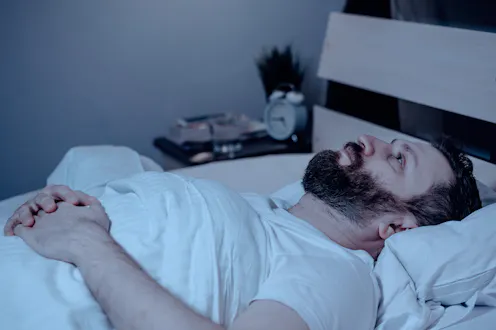
It turns out people who sleep well and those who sleep poorly have different kinds of thoughts before bed.
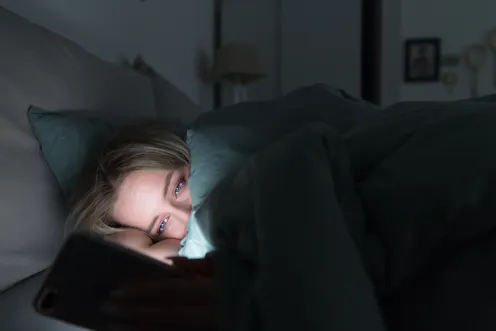
The science of sleep and the economics of sleeplessness
The Conversation, CC BY52.8 MB (download)
Only about one quarter Australians report getting eight or more hours of sleep. And in pre-industrial times, it was seen as normal to wake for a few hours in the middle of the night and chat or work.

Il nous arrive à tous de rogner sur notre temps de sommeil, en nous disant que nous le rattraperons plus tard. Mais les grasses matinées du week-end compensent-elles les nuits blanches de la semaine ?

If we don’t get enough sleep, can we catch up later? Experts are divided.

Links have been made between the community of bacteria in your gut and depression, pain, stress and sleep. So what does the science say?
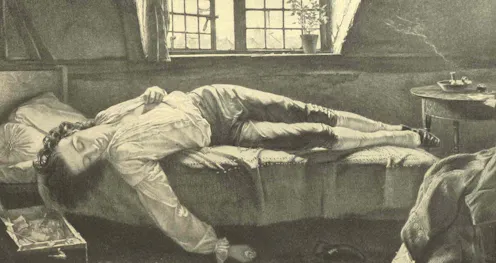
Throughout history there have been numerous accounts of segmented sleep, from medical texts, to court records and diaries.
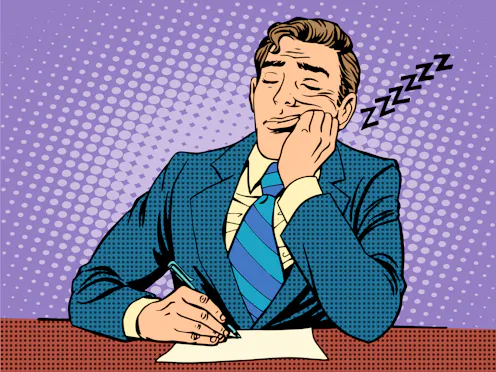
There are many factors that contribute to us falling asleep unexpectedly, in inappropriate places, or even when we really don’t want to.
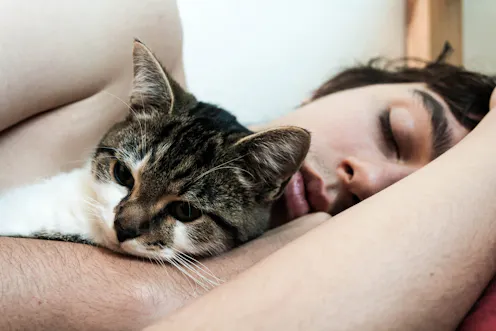
Brain activity during the dreaming phase of sleep is remarkably similar to brain activity when we’re awake and processing new visual images, new research shows.
Contact Melinda for
- General
- Media request
- Speaking request
- Consulting / Advising
- Research collaboration
- Research supervision
- Location: Melbourne, Australia
- Website
- X (formerly Twitter): @DrSleepPsych
- Article Feed
- ORCID
- Joined
