
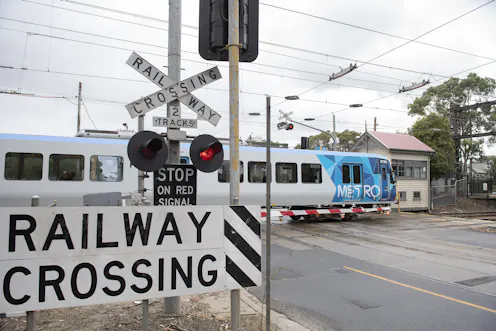
The pervasive impacts of infrastructure projects on public health are often overlooked. New research is teasing out the many ways Melbourne’s level-crossing removals will affect people’s health.
- Vice-Chancellor's Senior Research Fellow, RMIT University
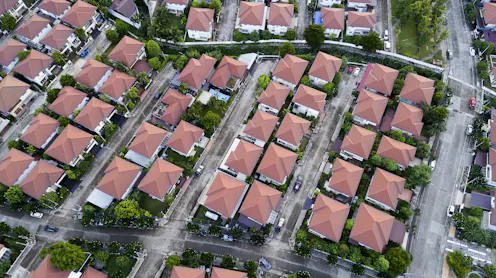
Much of the growth in our cities is in the outer suburbs, now home to around 5 million people. And that creates problems like traffic that detract from the advantages residents see in living there.
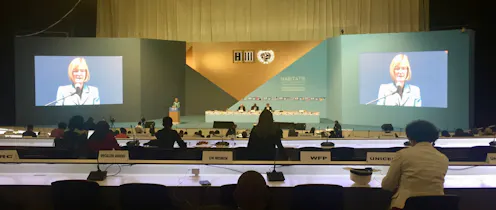
Australia and other United Nations member states signed up to the New Urban Agenda more than a year ago. But how well is health being integrated into sustainable urban development?
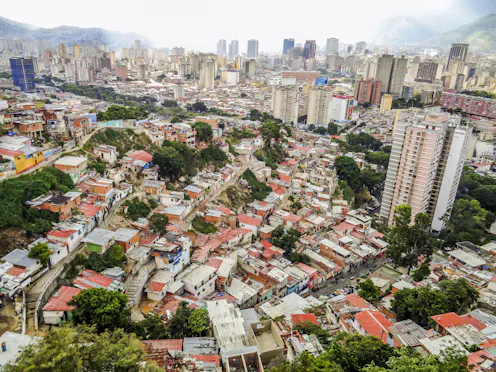
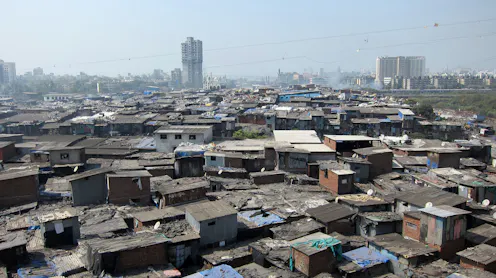
Informal settlements are often undocumented or hidden on official maps, but they house about a billion people worldwide. Their existence demands a more sophisticated approach to urban development.

Our cities need to become much more efficient not just to conserve precious resources but to improve the economy, wellbeing and resilience to environmental change and disasters.

Nation states, UN bodies and civil society gathered in Quito for Habitat III to adopt the New Urban Agenda. So how will the UN’s new global urban roadmap transform our cities over the next 20 years?
More than 25,000 delegates will meet in Quito in October to set out a New Urban Agenda for the UN, to be implemented over the next 20 years. But Australia is yet to play a major role in the process.
Contact Melanie for
- General
- Media request
- Speaking request
- Consulting / Advising
- Research collaboration
- Research supervision
- Location: Melbourne, Australia
- Website
- X (formerly Twitter): @DrMelanieLowe
- Article Feed
- ORCID
- Joined
