
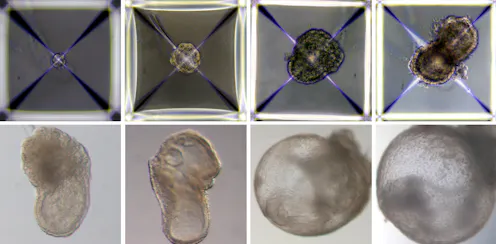
Créer un embryon artificiel qui soit capable de rejouer, sous nos yeux, les premiers jours de la vie : la prouesse, menée ici chez la souris, était attendue. Qu’y a-t-il derrière cette réussite ?
- Professor - Emerging Technologies (Stem Cells) at The University of Melbourne and Group Leader - Stem Cell Ethics & Policy at the Murdoch Children's Research Institute, The University of Melbourne
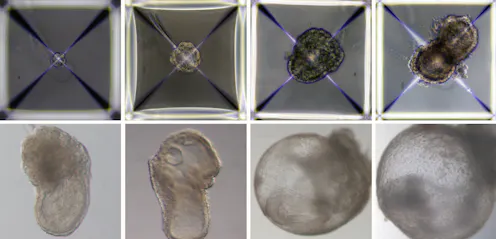
In a huge milestone, researchers have grown a mouse embryo entirely from stem cells. Could humans be next?
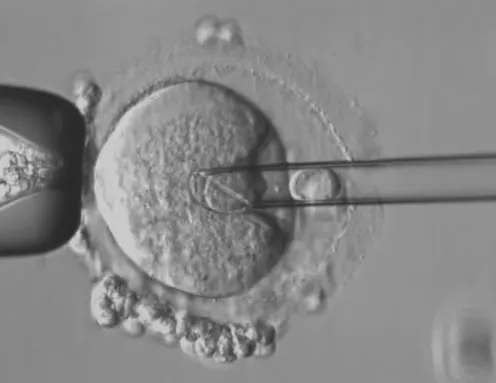
Parents at risk of passing on genetic disease to their children via mutations in the mother’s mitochondrial DNA could soon use a new IVF-based treatment involving healthy donor mitochondria.
Plus, how a new wave of South African romcoms is reimagining Johannesburg. Listen to episode 17 of The Conversation Weekly podcast.
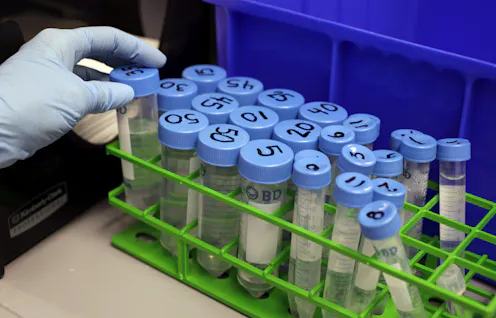
The International Society for Stem Cell Research’s newly released guidelines aim to address new ethical challenges posed by stem cell advances such as model embryos and human-monkey hybrid embryos.
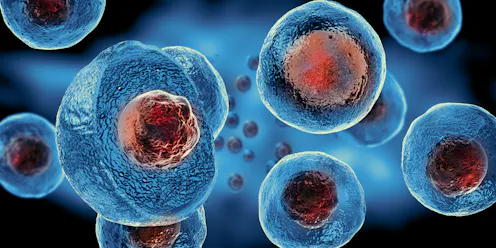
Researchers made human-monkey chimeras, by adding human stem cells to monkey embryos. Some embryos were cultured for 19 days after fertilisation.
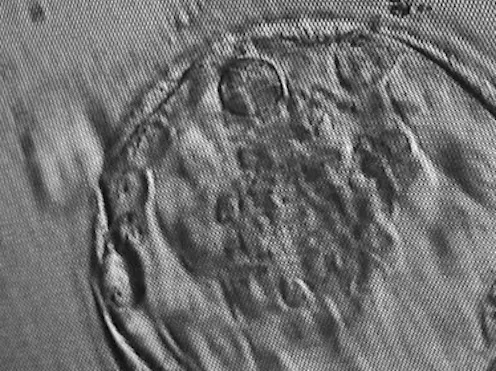
Two research groups have turned human skin cells into structures resembling an early-stage human embryo, paving the way for exciting new research avenues, and opening up some tricky ethical questions.
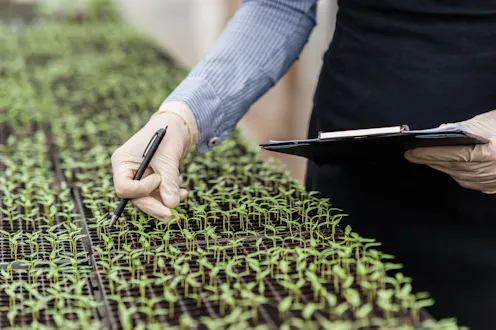
Synthetic biology is highly promising – but if we don’t get the regulation and engagement right, we risk alienating members of the public, and may even close doors for potentially fruitful research.
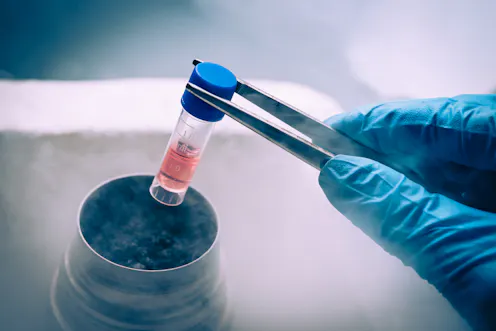
After much lobbying, the TGA has announced it will crack down on dodgy stem cell clinics.
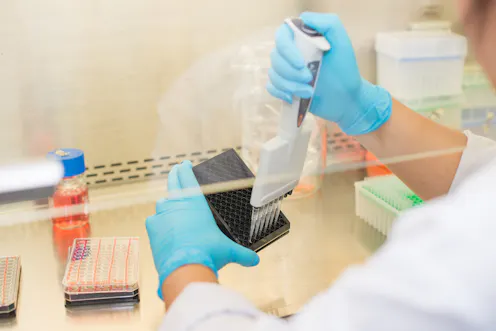
Stem cell science continues to offer great promise. But a growing number of clinics are selling treatments without evidence that what they offer is effective – or even safe.
Claims that stem cell treatments can repair spinal injuries right now are overblown. But it’s not for lack of trying, and the science is certainly progressing.
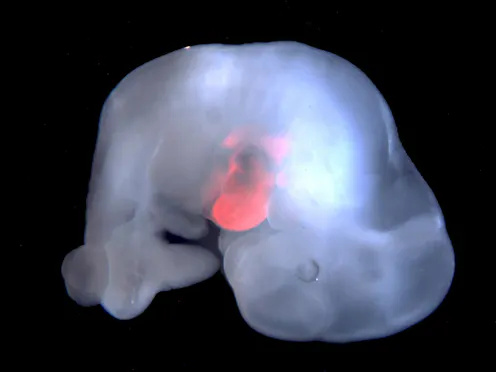
Human-animal hybrids - or ‘chimeras’ - might sound strange, but they offer great hope for new life saving therapies, as long as key ethical boundaries are respected.
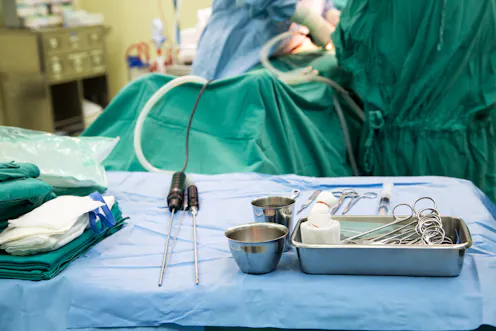
Due to a lack of effective regulations, there is little oversight of “stem cell treatments” and the businesses that provide them.
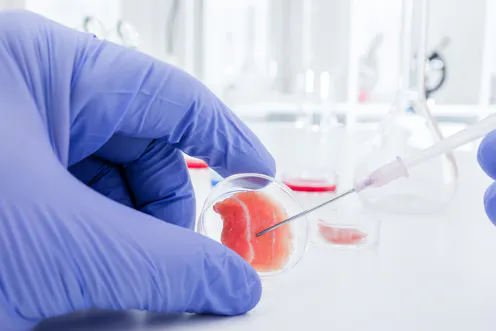
Current clinical trials testing stem cell therapies for a number of diseases are going on in the US, Europe, Canada, Japan and elsewhere, but not in Australia.

Medical research can be complex and difficult to understand, but cinematic representations of mad scientists who speak gobbledygook add to the confusion. An annual event separates fact from fiction.
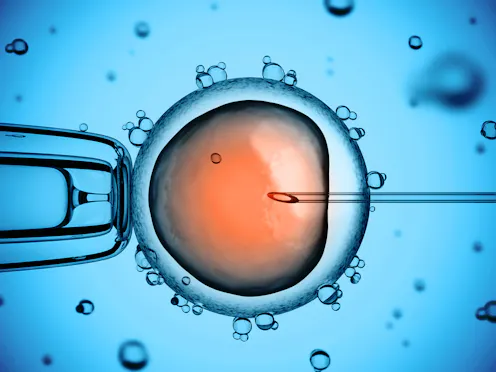
Once thought to be a problem only in poorly regulated jurisdictions overseas, unproven stem cell treatments are increasingly being offered in Australia. Now, the Therapeutic Goods Administration (TGA…

Stem cell tourism is when people travel to another country to receive treatments unavailable to them at home. It exists chiefly because most stem cell “treatments” are unproven and not readily available…
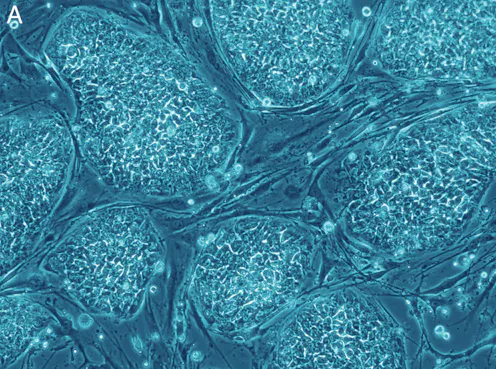
This week, ABC Radio National’s Background Briefing highlights the challenges involved in delivering on the promise of stem cell science and regenerative medicine. Although scientists continue to make…
The two pieces of Commonwealth legislation strictly regulate research use of human embryos in Australia are currently being reviewed. The Australian public is overwhelmingly in favour of stem cell research…
Contact Megan for
- General
- Media request
- Speaking request
- Consulting / Advising
- Research collaboration
- Research supervision
