

For decades, economists have used everything from lipstick to underpants to work out how people really feel about spending money.
- Associate Professor in Economics, RMIT University

A better deal on your private health insurance may be just a phone call away. What have you got to lose?

The RBA will be hoping Australians respond to this rate rise in three ways: spending less, saving more and not asking for big wage rises.
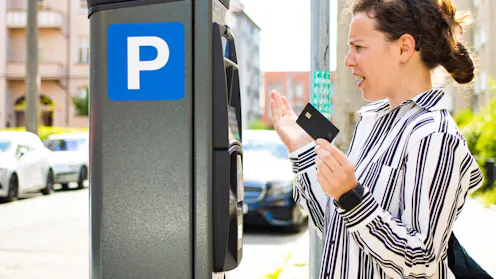
It may be tempting to view hospital parking fees as exploiting a captive market. But the reality is much more complex.
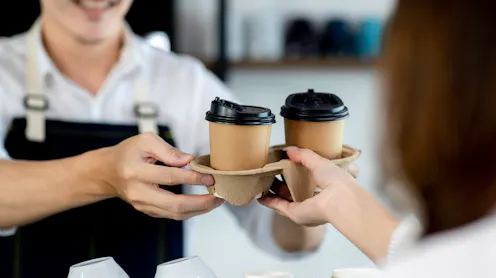
Cutting back on small indulgences can have a lasting impact on social connections and local economies.

Management jobs are proliferating much faster than other roles. But behavioural research shows the extra box-ticking can leave employees feeling stressed, patronised and demotivated.

Our research showed reading as a teenager was a stronger indicator of curiosity than, say, their mathematical ability.

The merits of ‘nudging’ have become. entangled in the ideological war over pandemic responses.

So far, we are not getting carried away about inflation.
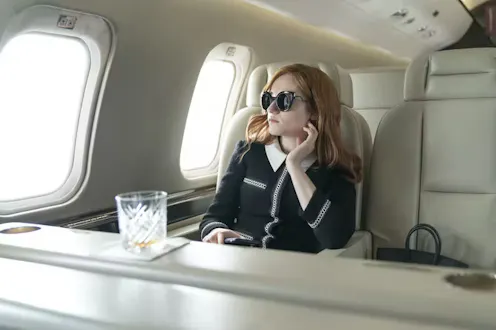
“Itu tidak mungkin terjadi pada saya”: mengapa kami pikir kami kebal terhadap penipuan penipu, bagaimana mereka menipu orang biasa - dan mengapa kami menyukai pertunjukan tentang mereka.
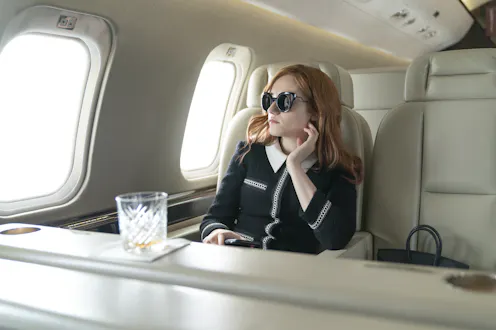
“It can’t happen to me”: why we think we’re immune to con artist scams, how they go about swindling regular people - and why we love shows about them.

Too much of our discussion about vaccine hesitancy imagines the problem in rational terms. Perceptions about COVID-19 and vaccines are driven by emotion, not reason.
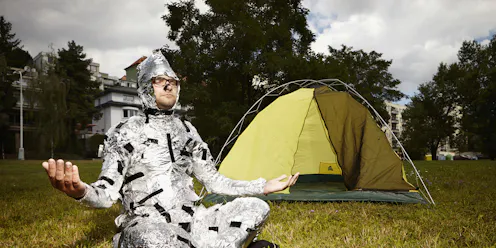
The difference between conspiratorial thinking and believing the official narrative isn’t necessarily as big as you might you think.
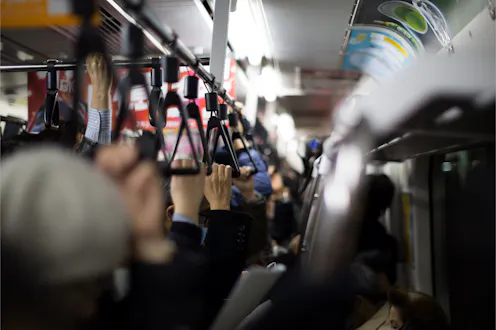
Most of us dislike commuting. But there are ways to make it a more positive experience.
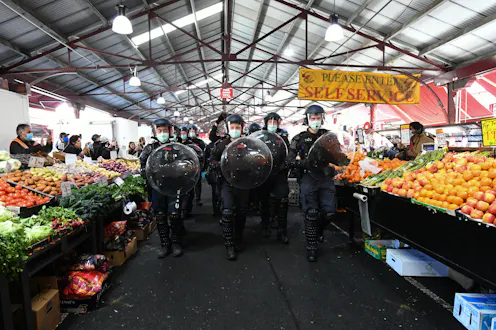
Law enforcement is a blunt tool to achieve social conformity with COVID-safe rule. It’s time to start thinking about other strategies to promote new norms.
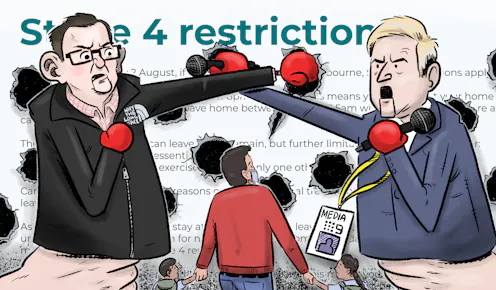
The government has become an easy scapegoat as the pandemic has worsened. While blame can alleviate stress, grief and guilt, it can also be counterproductive if people trust less in their leaders.
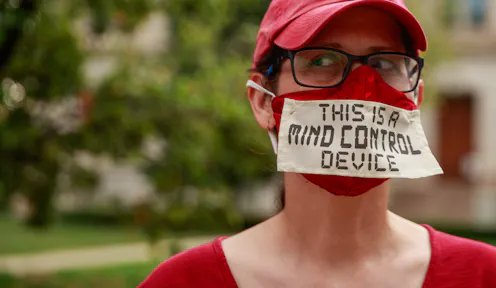
Our desire to condemn and punish non-cooperative behaviour is strong. But we must also try to understand the complex emotional motivations of those refusing to wear masks.

A new form of ticketing is becoming more popular in the arts – and it might help us be more charitable than before.
Contact Meg for
- General
- Media request
- Speaking request
- Consulting / Advising
- Research collaboration
- Research supervision
- Location: Melbourne, Australia
- Website
- LinkedIn: Meg Elkins
- X (formerly Twitter): @megelkins1
- Article Feed
- ORCID
- Joined
