
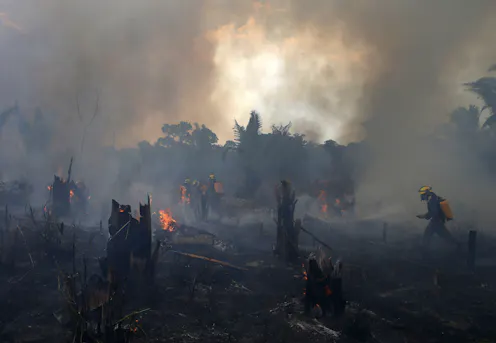
Climate change is raising the number of days the Earth passes crucial thresholds of fire risk. But urgently cutting emissions can avoid the worst.
- Professor, Hawkesbury Institute for the Environment, Western Sydney University
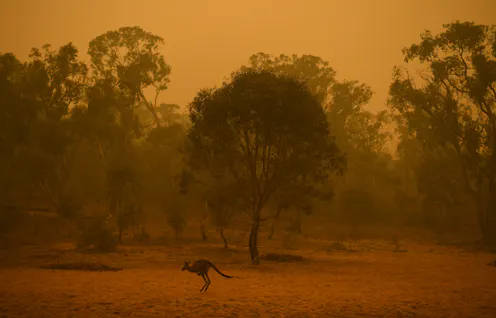
Décryptage des méga-incendies qui ravagent l’île-continent depuis des mois.
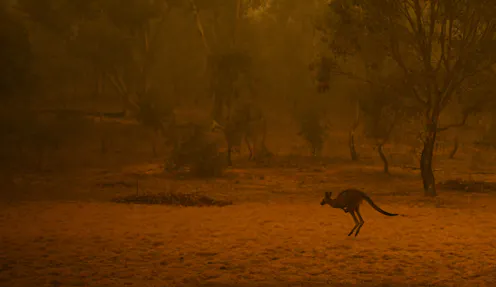
Australia está sufriendo una de sus peores temporadas de incendios forestales debido a una combinación de temperaturas elevadísimas y meses de severas sequías. El cambio climático tampoco es ajeno a la catástrofe.
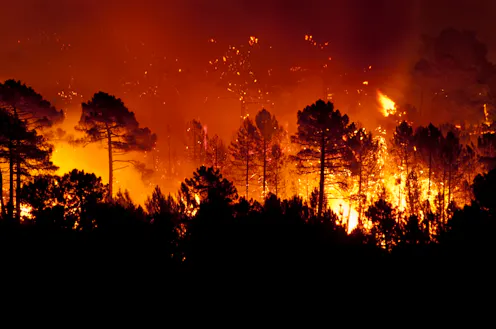
La adaptación al cambio climático requiere la adopción de un nuevo modelo energético, un paso que podemos aprovechar para crear paisajes que impidan el desarrollo de grandes fuegos.
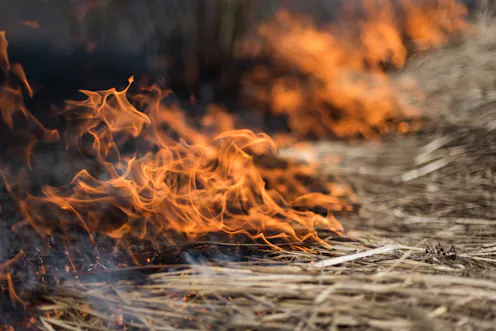
La verdadera causa de los grandes incendios no es la fuente de ignición, sino la confluencia de otros factores relacionados con el estado del bosque, su humedad y la meteorología.
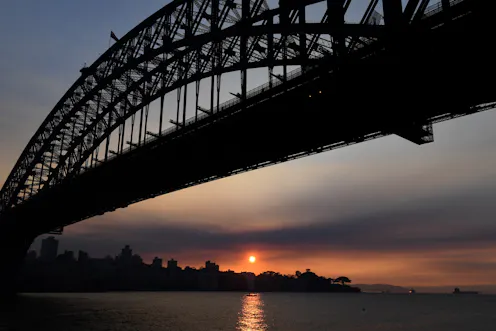
In 2013 a mild and dry winter led to some of the most destructive bushfires in NSW history. Now new modelling shows 2017 record-breaking winter warmth has created worryingly similar conditions.
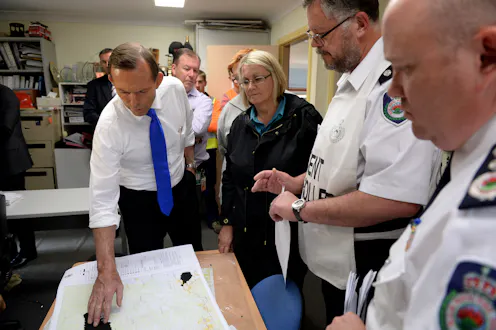
The New South Wales fires have sparked a hot debate on the question whether these fires are linked to climate change. Prime Minister Tony Abbott joined in too stating, “These fires are certainly not a…
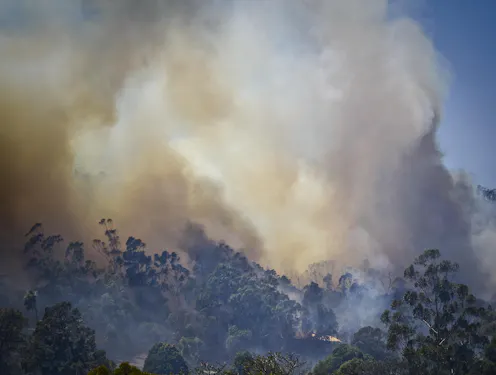
Bushfires are, together with cyclones and flooding, among the most important natural hazards affecting Australian communities. They also make a significant contribution to Australia’s greenhouse gas emissions…
Contact Matthias for
- General
- Media request
- Speaking request
- Consulting / Advising
- Research collaboration
- Research supervision
- Location: Richmond, NSW, Australia
- Website
- Article Feed
- ORCID
- Joined
