
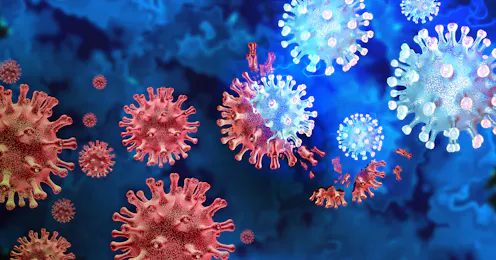
Many questions remain about next steps for US vaccine policy. But the FDA advisory panel’s hearty endorsement of a single-composition COVID-19 vaccine represents a pivotal step.
- Instructor of Human Immunology, Emory University

The new bivalent boosters against COVID-19 have failed to halt omicron infections. However, new technologies are being developed that pave a way forward.

A new study finds that misdirected immune responses can persist for months in those who are suffering from long COVID-19.
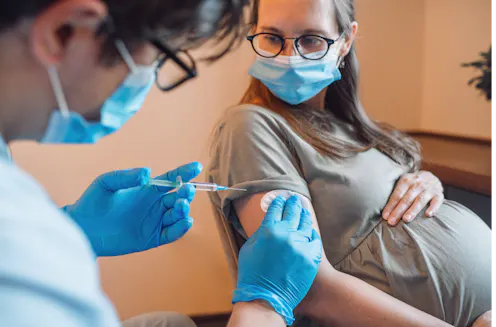
In light of mounting research showing the serious risks of contracting COVID-19 during pregnancy, the CDC is re-upping its urgency that pregnant women get their shots.
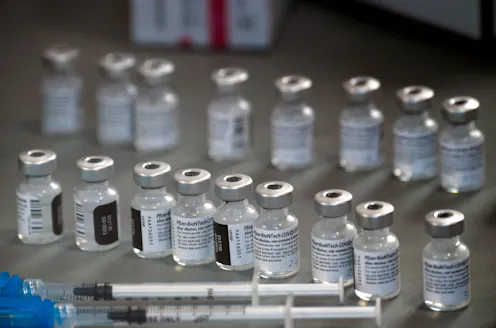
Fault lines between the FDA and CDC regulatory processes have been on full display in the decisions over which groups of Americans should receive the Pfizer booster shot.
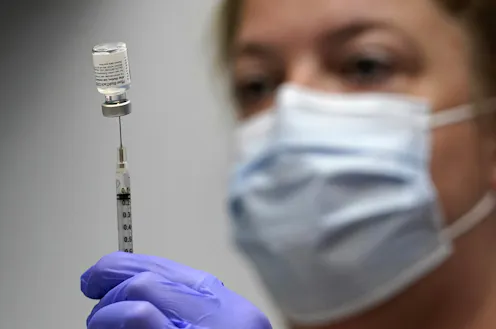
An FDA panel has voted against recommending approval of a booster COVID-19 shot for the general population – disappointing some public health officials.

A COVID-19 vaccine does not cause infertility – but it can protect you from the dangerous complications of contracting the virus.
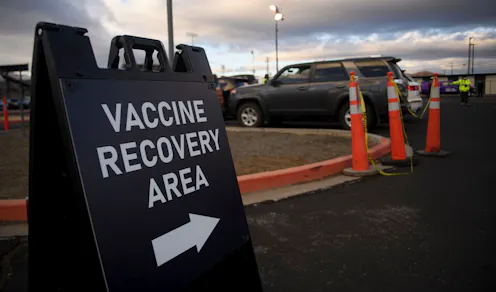
Many people never experience the least bit of discomfort from the COVID-19 vaccines, but mild side effects are common. They include swelling in the affected arm, nausea and chills.
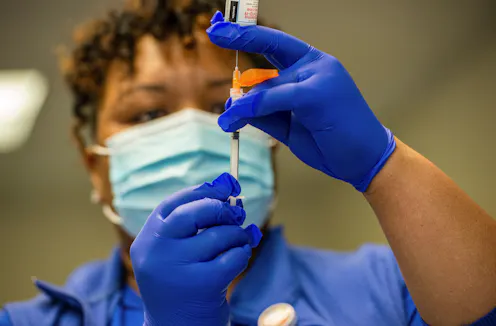
Researchers are closely watching the coronavirus mutants to make sure vaccines can be adjusted if necessary. But scientists don’t know whether vaccines will be effective in those already vaccinated.

The side effects of new SARS-CoV-2 vaccines are a result of immune system activation. While uncomfortable, they are both normal and expected. They are a sign that the vaccine is working.
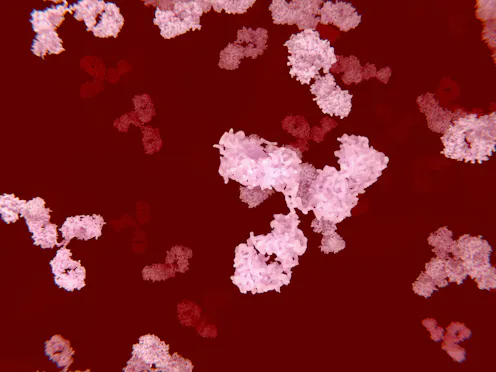
¿Los anticuerpos que atacan los propios órganos del paciente contribuyen a las formas graves de covid-19? Un nuevo estudio sugiere que test de anticuerpos pueden revelar la respuesta.
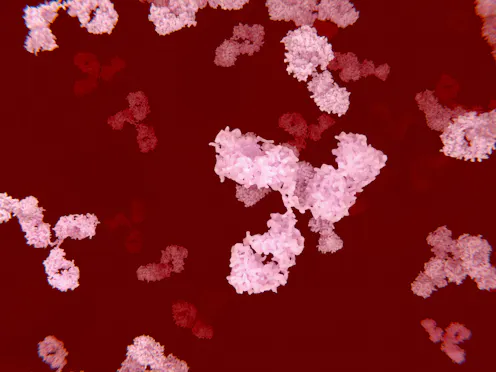
Are antibodies that attack a patient’s own organs contributing to severe forms of COVID-19? A new study suggests specific antibody tests that may reveal the answer.
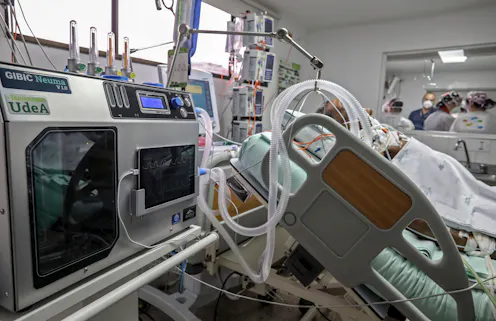
Les patients souffrant de Covid-19 sévère peuvent présenter une réponse anticorps délétère, similaire à celle observée dans les maladies auto-immunes.
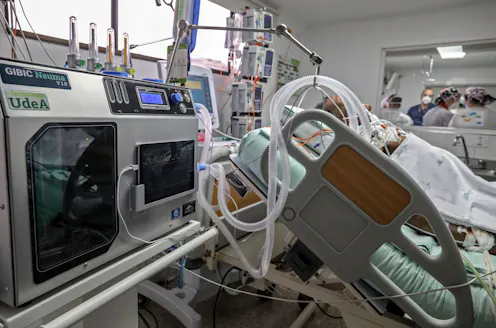
Patients suffering from severe COVID-19 may be experiencing a rogue antibody response similar to that seen in autoimmune diseases. The findings offer new approaches for COVID-19 therapy.
