
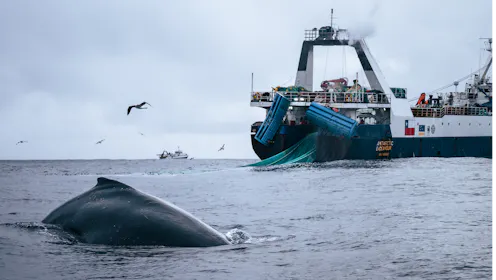
The Southern Ocean’s krill-rich waters attract multiple species of filter-feeding whales – and, increasingly, fishing boats.
- Research Scientist, Stanford University
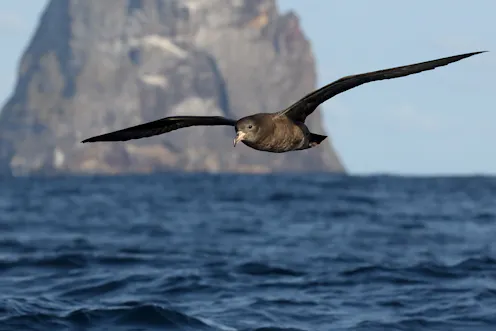
Many marine animals, birds and fish are ingesting plastic. New research identifies the first named health effect from it.

An estimated 8 million metric tons of plastic waste enters the ocean each year – equivalent to dumping in a garbage truckload of it every minute. A new report calls on the US to help stem the deluge.
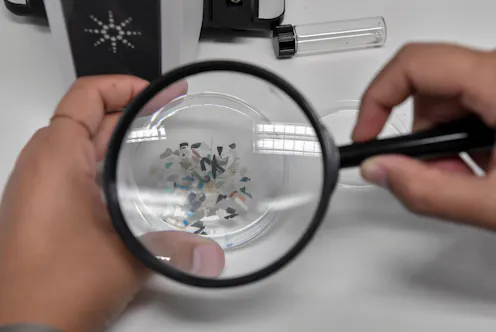
As more and more plastic trash permeates the Semakin banyak sampah plastik di lautan, serpihan plastik masuk ke dalam ikan dan kerang - dan berpotensi juga masuk ke manusia
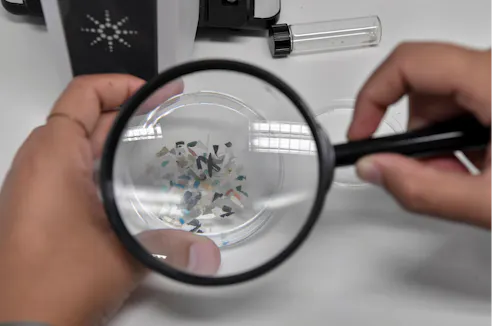
As more and more plastic trash permeates the oceans, fragments are making their way into fish and shellfish – and potentially into humans.

Bagaimana paus, yang hanya memakan makhluk kecil, mampu berevolusi menjadi makhluk terbesar di dunia? Dan mengapa mereka tidak bertambah besar?

How did whales that feed on tiny prey evolve into the largest creatures on Earth? And why don’t they get even bigger?

Snorkeling off the California coast, a high school student found heaps of golf balls on the ocean floor. With a marine scientist, she showed that golf courses were producing tons of plastic pollution.
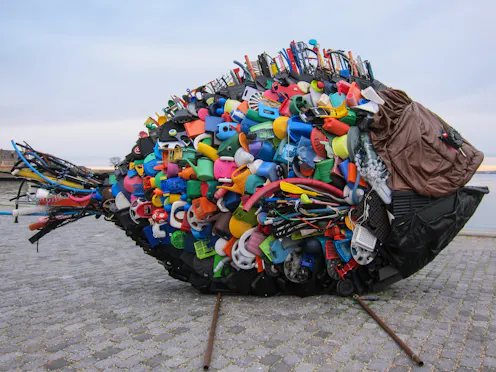
La mer de plastique dans laquelle nagent les poissons n’est pas seulement une catastrophe écologique. Elle met en danger des espèces comme les anchois qui prennent ces débris pour de la nourriture.
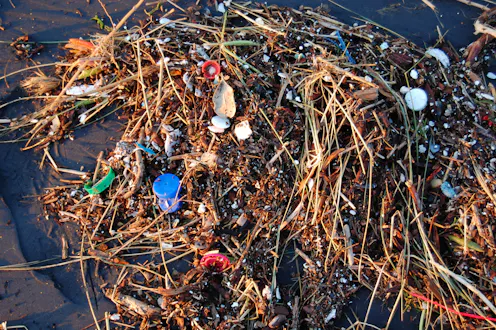
A new study shows that anchovies – key food for larger fish – are attracted to plastic trash because it smells like food. This suggests that toxic substances in plastic could move up through food chains.
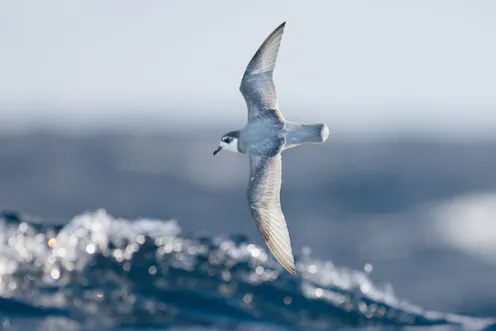
Thousands of seabirds die every year from consuming plastic trash in the oceans. But why do they eat plastic? New research shows that it produces odors that help some species find prey.
Contact Matthew for
- General
- Media request
- Speaking request
- Consulting / Advising
- Research collaboration
- Research supervision
- Location: Monterey, California, U.S.
- Website
- X (formerly Twitter): @DJShearwater
- Article Feed
- ORCID
- Joined
