
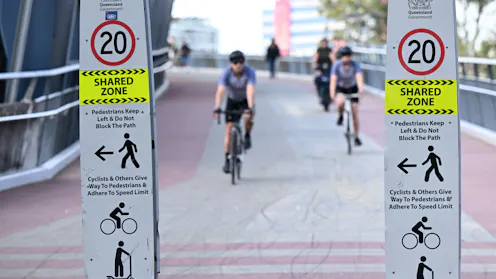
For the first time in more than a decade, Australia has new physical activity guidelines. They’re commendable but unlikely to get us more active.
- Adjunct Research Fellow, School of Human Sciences, The University of Western Australia
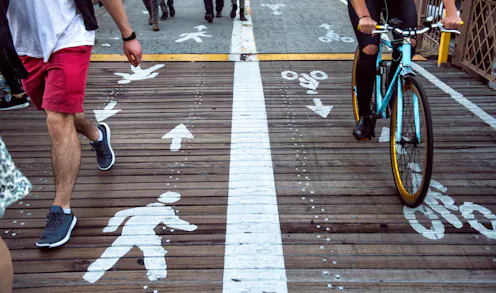
Walking and cycling get 90c per person each year from the Australian government. What if that figure rose to $5, $10 or $15?
The number of deaths on Australian roads has been increasing steadily year after year. It’s unacceptable not to act on the evidence of what works to boost road safety.
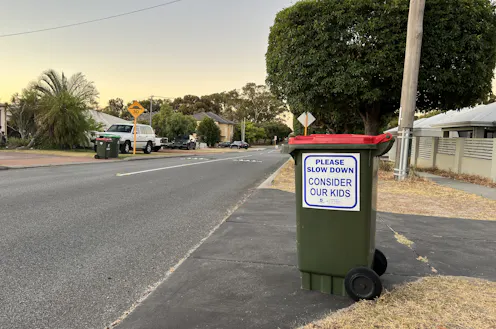
Most drivers admit to speeding and it’s causing an increasing number of deaths on our roads. Using intelligent speed assist technology can reverse this deadly trend.
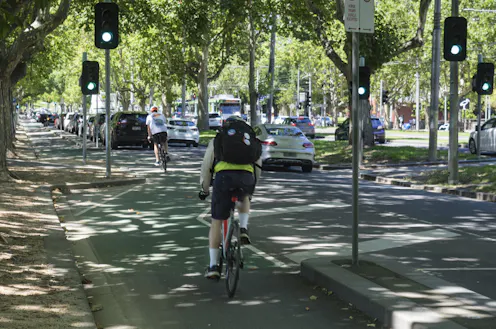
Early in the pandemic, when there was much less traffic on the roads, people took to their bikes. But since then, fewer people are cycling, with rates now lower than in 2011.

Residential ‘stroads’ – neighbourhood streets that have become rat runs for through traffic – can be turned back into safe, mixed-use streets that put residents’ and children’s needs first.

Beautiful shopping streets attract people — and that’s good for business. Images of ten reimagined local shopping streets show how they can become the beautiful hearts of their local communities.
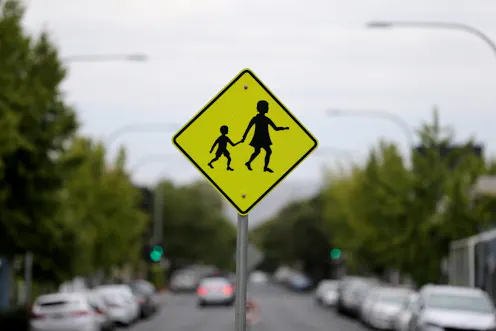
Countries around the world are managing to reduce their road deaths to zero. There are ways Australia can get there too.

We developed a healthy lunchbox program. Here, we provide parents with ideas for swapping unhealthy foods kids might like to healthier ones comparable on cost, taste, texture and preparation time.
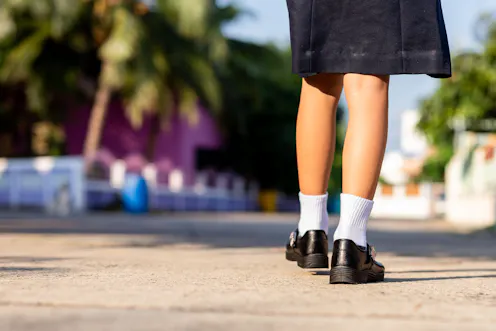
Nine in ten parents agree school uniforms should support their kids to be active. That’s only one reason schools should let kids wear sports uniforms. They’re also cheaper and kids prefer them.

The push for 30km/h speed limits is not about revenue-raising or anti-cars. Even a seemingly small decrease from 40km/h to 30km/h makes a huge difference to the safety and liveability of local streets.

Being physically active is largely not an individual choice, but a result of what funds, spaces, places and opportunities are available to the individual and communities.
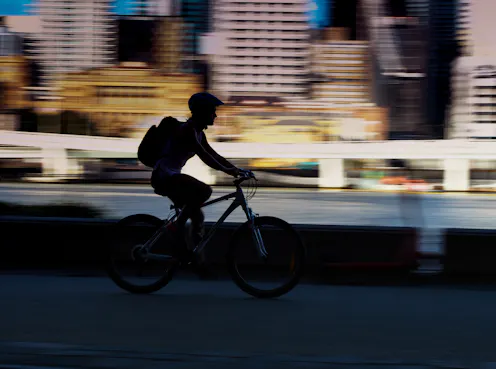
Investing more in cycling and walking would boost both physical and economic health, with a typical return of $5 for every $1 spent on cycling infrastructure.

Researchers are learning even more about how a sedentary lifestyle is bad for our bodies. A recent study shows a link between sitting patterns and diabetes in older people.
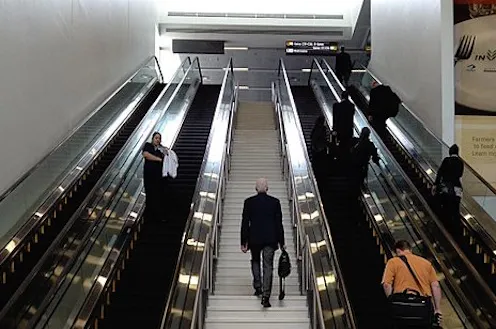
Dropping old, bad habits is hard, but starting new, good ones may not be so difficult. Or so a recent study suggests. Read how a simple sign at an airport made a difference.
Contact Matthew for
- General
- Media request
- Speaking request
- Consulting / Advising
- Research collaboration
- Research supervision
- Location: Perth, Australia
- Website
- X (formerly Twitter): @HealthTepi
- Article Feed
- ORCID
- Joined
