

Everyone who cares about climate action must now grapple with how climate politics can function in a new world of uncertainty.
- Professor of Political Science and Co-Director of Environmental Governance Lab, University of Toronto

Focusing on despair is unhelpful and may even prevent climate action. Insights from climate social scientists can help navigate the doom and gloom.

The power of storytelling to help inform our decisions is underappreciated and of vital importance in envisioning a better future, and the steps to take to get us there.

Apa itu COP? dan seberapa penting acara ini bagi kelangsungan bumi? Kami merangkum penjelasan istilah-istilah rumit yang kerap berseliweran di media kala hajatan tahunan ini berlangsung.

On the tail of yet another year of climate disasters, 2022 ushers in the final version of the Paris Agreement, making it a functioning global climate treaty. But it alone can’t save us.

Governments must expand the number of people who see themselves as “winners” in the transition to a low-carbon society.
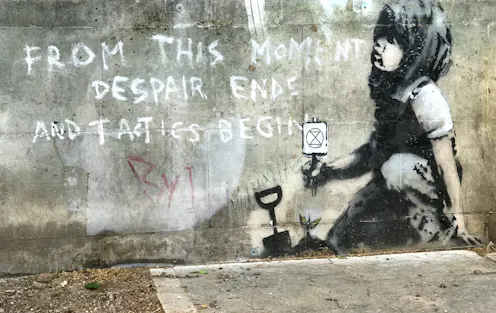
While climate change is certain, some uncertainty remains in its severity — and that’s where the hope shines through.

Plans to reduce emissions quickly are seductive but can stall. Climate initiatives should end dependence on fossil energy and pursue a path towards a more just and equitable society.
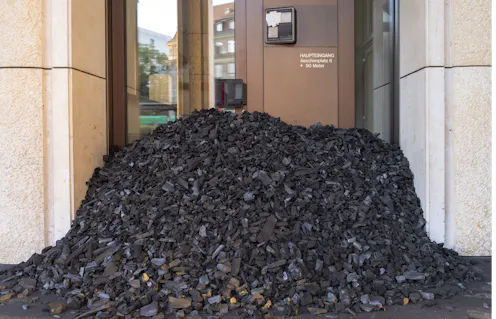
If how we speak about the world we want to see is crucial in building support for climate change momentum, then what is visible and invisible, strange and normal, positive and negative, must change.
Contact Matthew for
- General
- Media request
- Speaking request
- Consulting / Advising
- Research collaboration
- Research supervision
- Location: Toronto, Canada
- Website
- X (formerly Twitter): @HoffmannMatt
- Article Feed
- Joined
