
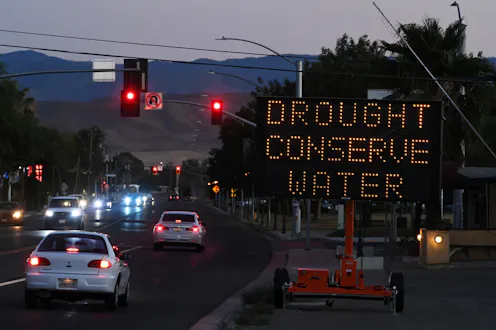
Even after January’s storms, California faces a water-scarce future. An economist and an engineer propose a way to test higher water prices as a conservation strategy without hurting low-income users.
- Provost Professor of Economics and Spatial Sciences, USC Dornsife College of Letters, Arts and Sciences
- Fellow, Institute for Humane Studies
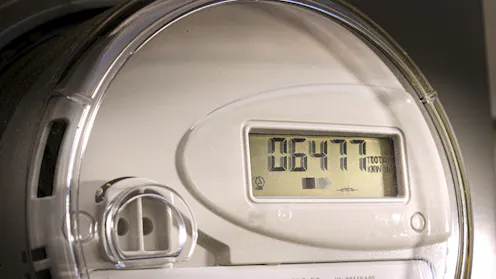
Most households pay a flat rate 24/7 for electricity although the cost of generating it fluctuates through the day. Wireless technologies are changing that system.
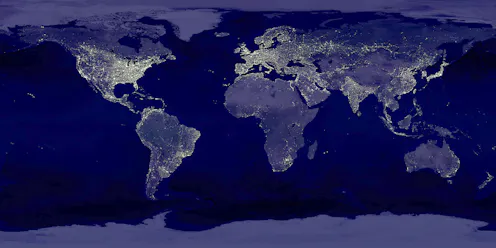
A 1972 report warned that unchecked consumption could crater the world economy by 2100. Fifty years and much debate later, can humanity innovate quickly enough to avoid that fate?
Human behaviors shift. Policies change. New technology arrives and evolves. All those changes and more are hard to predict, and they affect tomorrow’s costs.
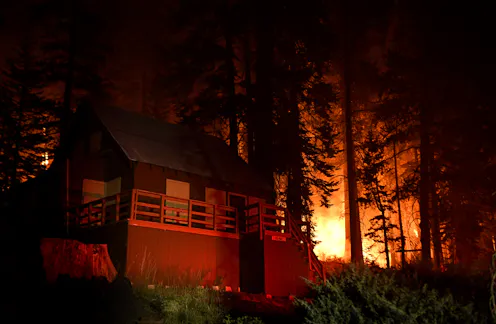
Private companies rate all kinds of investments, from stocks to used cars. Now, they’re starting to analyze climate risks to local real estate – but how reliable are their findings?
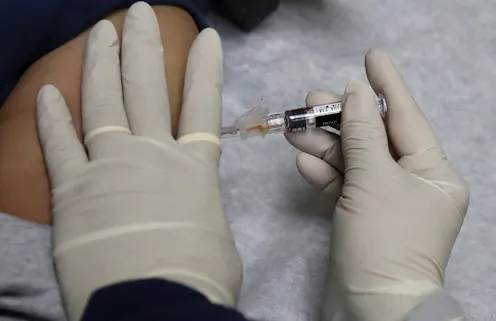
A team of experts argues that after taking care of essential workers, COVID-19 vaccinations should be given to the greatest transmitters of the virus, who are mostly the young.
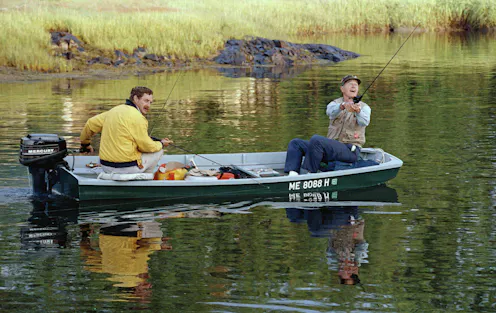
George H.W. Bush, who pledged to be ‘the environmental president,’ took a market-based approach to pollution control that helped clear the air. Now some experts think it could work on climate change.
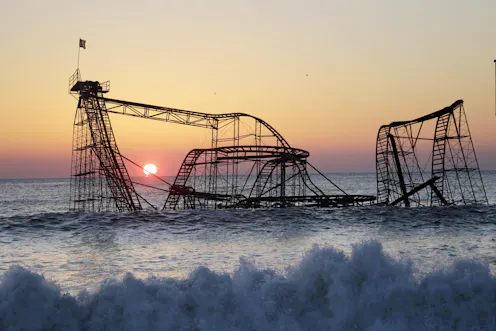
As the rich move away from disaster-prone areas, the poor may be left behind.
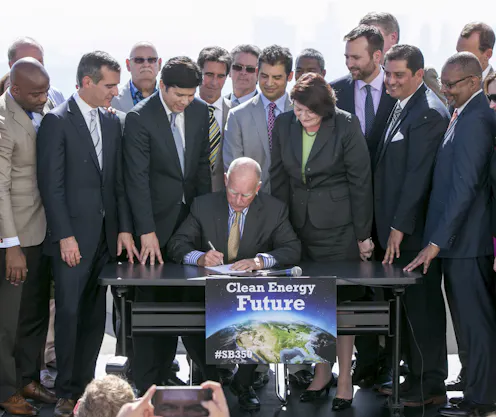
California has set ambitious goals for cutting carbon emissions and shifting to a clean energy economy. How will this strategy affect the state’s huge economy? An economist weighs the evidence.
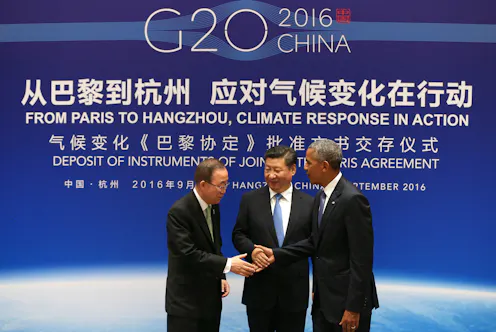
Although Donald Trump has called climate change a hoax invented by China, Chinese leaders believe cutting carbon emissions will generate economic and political payoffs at home and abroad.
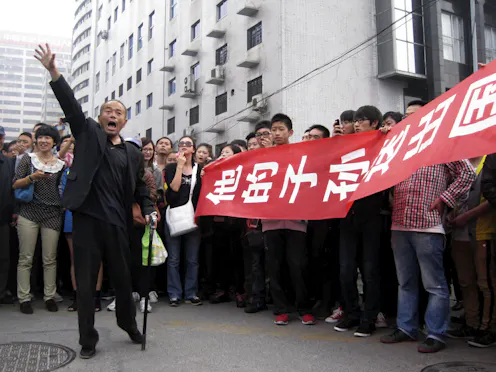
China has the world’s second-largest economy, powered by cheap labor and cheap fossil fuel. But now Chinese urbanites want greener, healthier lifestyles. Can the government deliver them?
Contact Matthew for
- General
- Media request
- Speaking request
- Consulting / Advising
- Research collaboration
- Research supervision
- Location: Los Angeles, California, U.S.
- Website
- X (formerly Twitter): @mattkahn1966
- Article Feed
- Joined


