
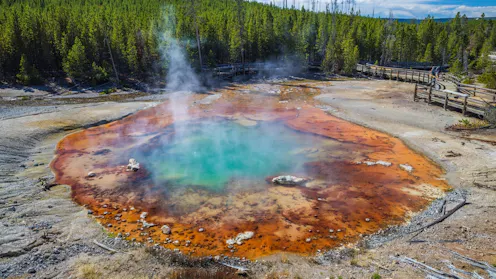
Anybody within the eruption zone would be pulverised by blasts, crisped by the heat, or asphyxiated by ash.
- Reader in Physical Geography and Natural Hazards, Coventry University
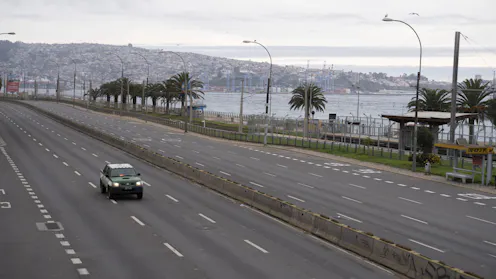
Despite recording one of the strongest earthquakes in a century, the Pacific escaped major damage.
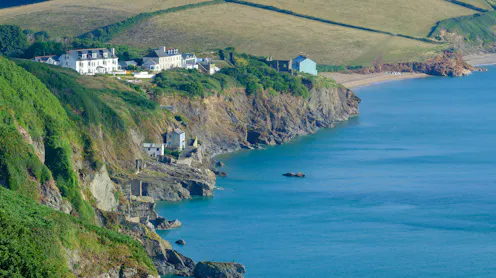
Flood maps are difficult to decipher. But understanding the risk is critical for people wanting to live and work by the coast.
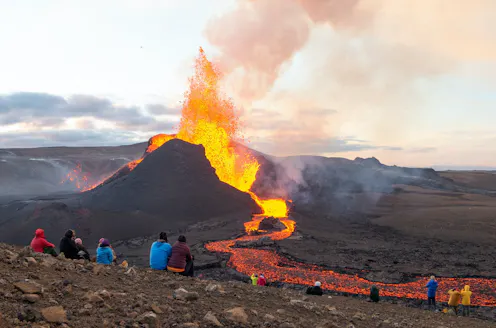
As alterações climáticas estão a causar condições climáticas cada vez mais severas – mas não é apenas com os perigos na superfície da Terra que devemos nos preocupar.
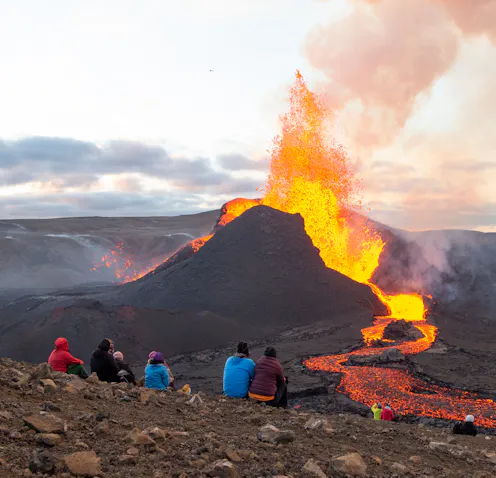
Climate change is causing increasingly severe weather – but it’s not just hazards at the Earth’s surface we should be concerned about.
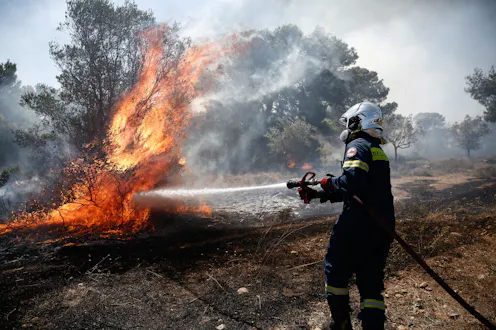
Hotter, drier summers risk making widlfires more like those of southern Europe.
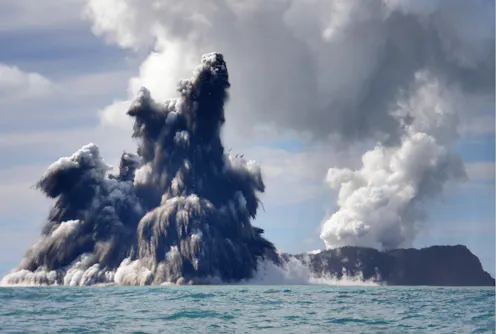
Monitoring volcanoes is a bit trickier when they’re deep under the ocean’s surface.
More than one million weather observations were made by aircraft each day in 2019. Since the pandemic started, these have dropped by 90%.
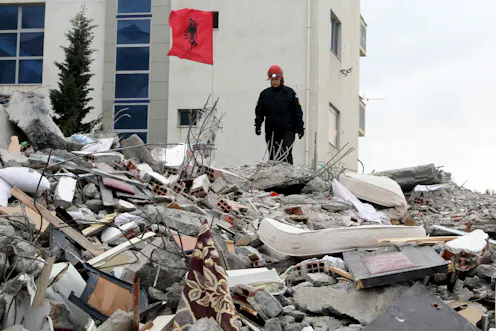
Post-earthquake aftershocks are often assumed to be less violent, but that’s not always the case.
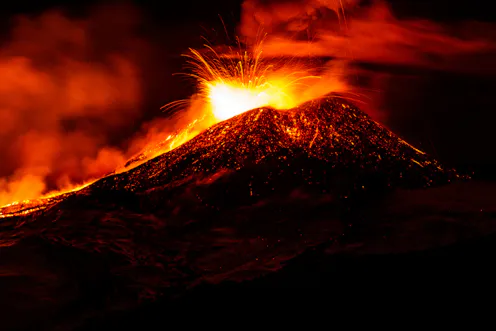
The clock is ticking.
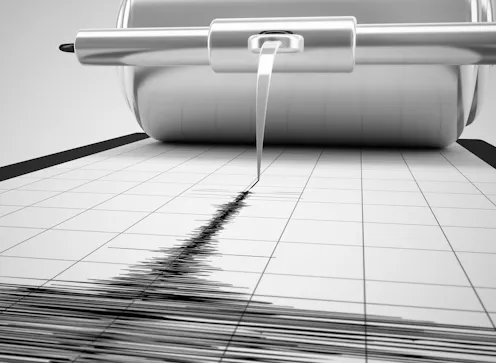
Expect $33 billion of damage … and that’s just for starters.
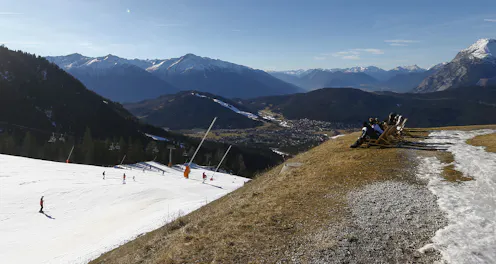
Decent snowfall arrived later than ever this season.
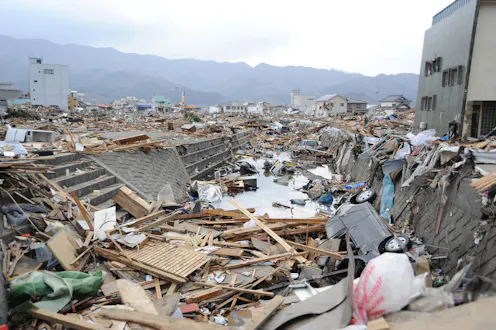
Our climate is changing. But many of the devastating repercussions are little understood.
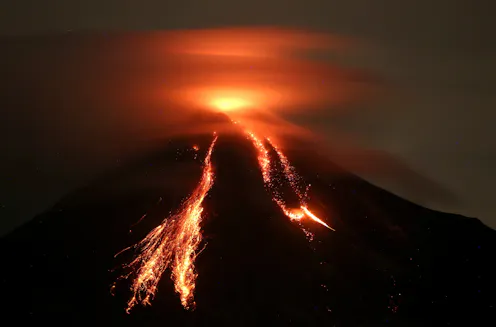
Our planet is a hugely dynamic place – and the clock is ticking down to the next superdisaster.
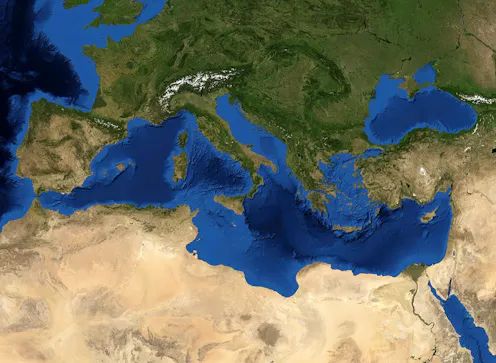
The sea straddles two tectonic plates and is lined by large towns and cities. We need to take the tsunami threat seriously.
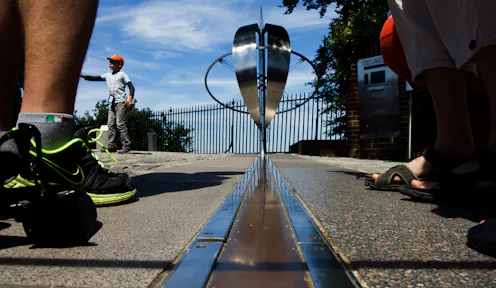
Modern GPS has revealed the line used to calculate map coordinates and time zones is in accurate. Whether that really matters is another question.
Contact Matthew for
- General
- Media request
- Speaking request
- Consulting / Advising
- Research collaboration
- Research supervision
- Location: Birmingham, UK
- Website
- X (formerly Twitter): @drblackett
- Article Feed
- ORCID
- Joined
