
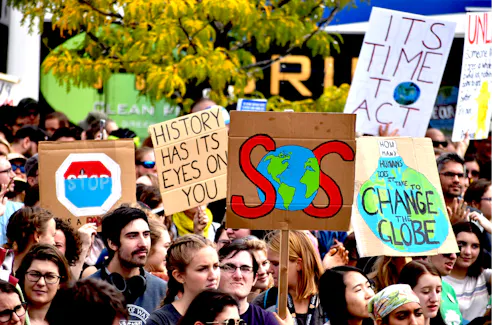
Tips for coping with eco-anxiety, from a psychologist.
- Principal Lecturer in Psychology, University of Brighton
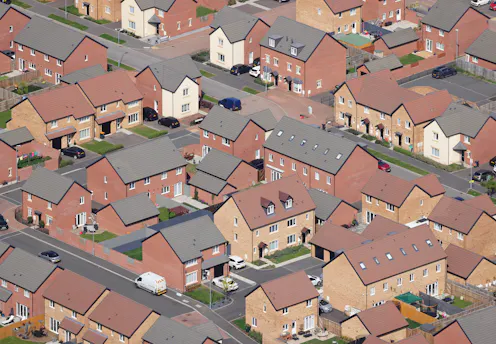
The more new housing a neighbourhood has, the less of the local area is dedicated to green space, which has knock-on effects for wellbeing and the climate crisis.

Contact with nature at a young age makes a big difference later in life.
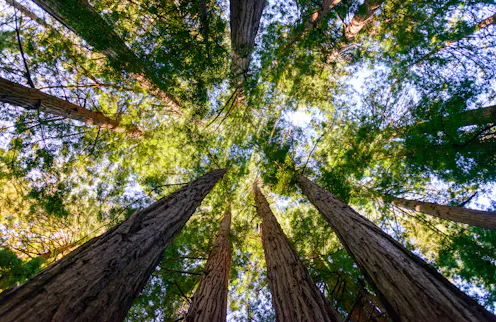
If all of humanity was wiped out tomorrow, it’s estimated that the natural world would take at least five million years to recover from the damage humans have done to the world.

Why structured contact with nature, rolled out with government support, will go a long way to solving the psychological distress of coronavirus.

Psychedelic drugs are creating waves as evidence mounts of their therapeutic potential. New research also suggests they might mitigate the climate crisis by unlocking a lost connection to nature.
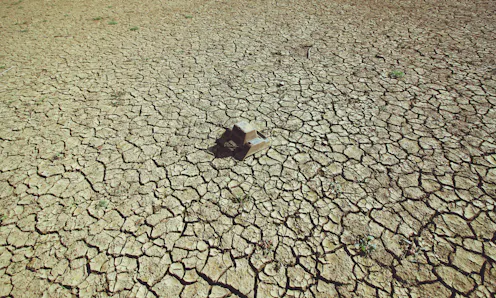
Climate change is mentioned in British television about as often as zombies.
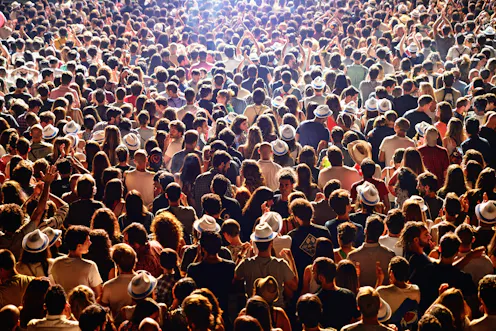
A psychologist explains why we should accept that we will never live in the Anthropocene.

Melting ice caps, burning forests – the climate disaster future is increasingly the present.

The kind of climate action outlined by the ubiquitous climate checklists won’t be enough.

US withdrawal from the Paris Agreement might eventually be a good thing for the climate. Psychologists call this a ‘paradoxical intervention’.
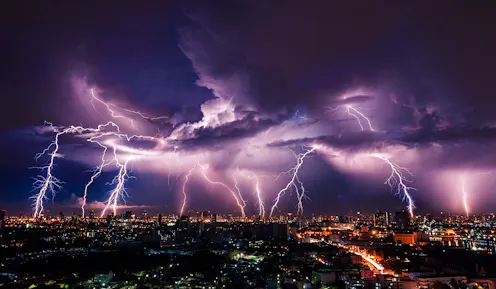
What if extreme weather events could be attributed to human-induced climate change with confidence?

The year is 2067. The world has gone vegan and ‘meat’ is only a horrific memory.
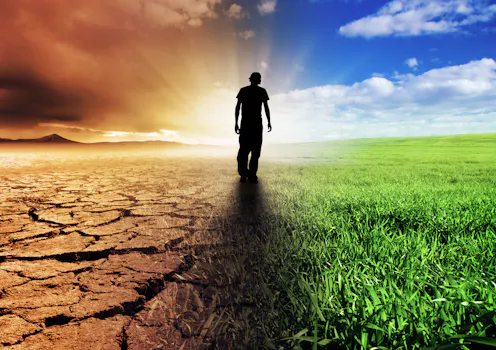
Lessons from the Soviet Union reveal how we can fret about climate change and celebrate Heathrow’s expansion at the same time.
Contact Matthew for
- General
- Media request
- Speaking request
- Consulting / Advising
- Research collaboration
- Research supervision
- Location: Brighton, UK
- Website
- X (formerly Twitter): @mattadams0
- Article Feed
- Joined
