
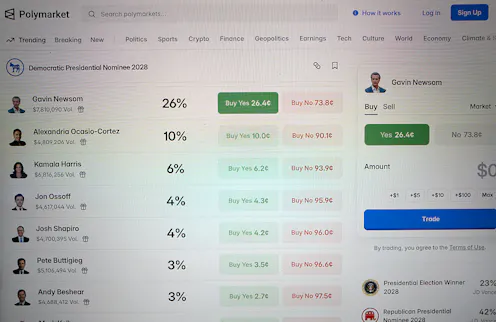
The rapidly growing popularity of prediction markets is sparking worries about the markets’ effects on US politics, where campaign staff has bet on its candidate’s electoral performance.
- Associate Professor of Health Law, Policy and Management, Boston University
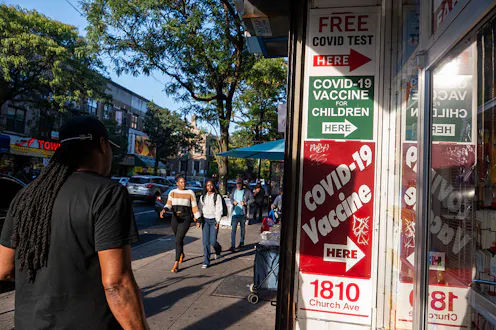
Anti-vaccine activists are using the side effect reporting system to spread fear and misinformation about the COVID-19 vaccines. But the database could also be used as a gauge for public concerns.
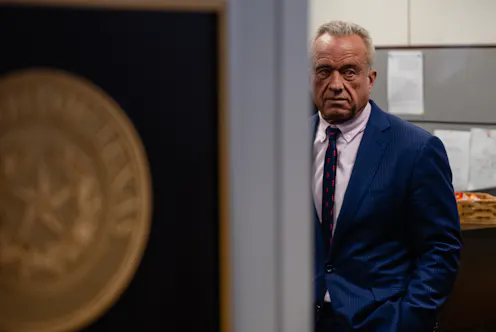
Attacks on scientific expertise have been increasing, especially in politics. Health and Human Services nominee Robert F. Kennedy Jr. is among the more prominent people who have done that.

Many COVID-19 vaccination campaigns encourage doctors to serve as a trusted source of vaccine information. But certain vaccine-hesitant providers may stymie these efforts.
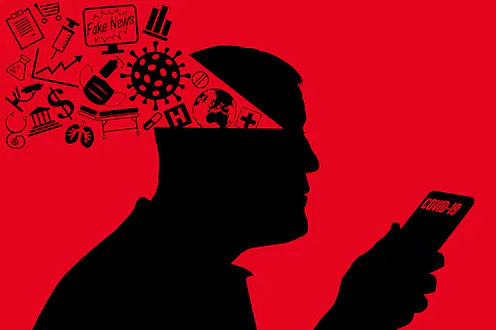
Anti-vaccine activists are using the side effect reporting system to spread fear and misinformation about the COVID-19 vaccines. But the database could also be used as a gauge for public concerns.

Some vaccinated people will still be wearing masks to protect themselves from people who may not be vaccinated or wearing masks.
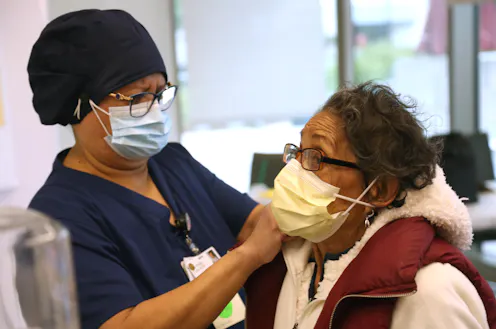
Getting a vaccine is proving difficult for many older people now, but the mad rush for the vaccine won’t last long. Many people don’t want to get one at all, and that will impede herd immunity.
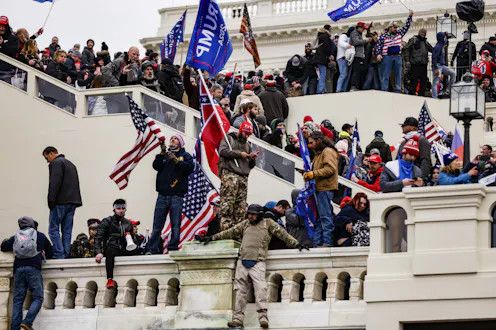
Ostensibly protesting an election they may have thought was stolen, their actions fed a larger set of goals that American militants are seizing upon to take more extreme action.

Two in five Americans say they don’t want a COVID-19 vaccine, which is a problem. Finding out what Americans do want from a vaccine might help.
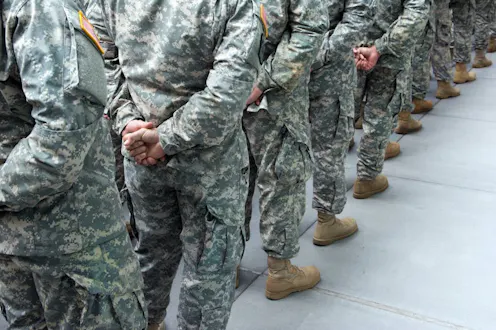
Si la plupart des Américains sous-estiment la place qu’occupe le suprémacisme blanc dans l’armée, ils s’en inquiètent quand on leur en apporte la preuve.
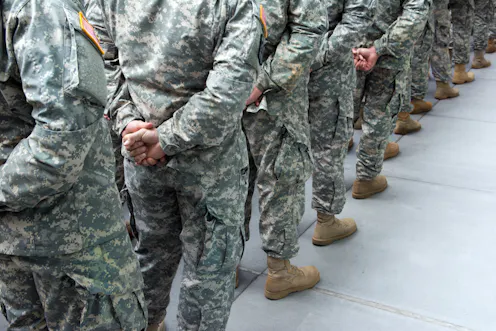
People typically underestimate how much white nationalism goes on in the military, but when they learn the truth, they’re concerned.

Current rates of vaccine hesitancy could jeopardize efforts to achieve herd immunity in the US, says Matt Motta, a political scientist who studies vaccine uptake and effective health communication.
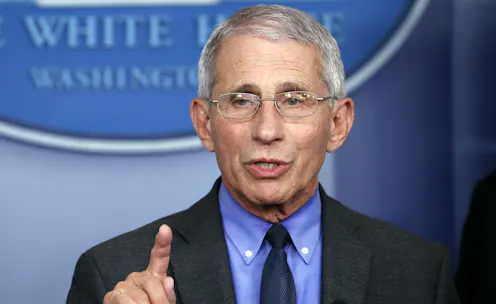
As most of the world early awaits a vaccine for COVID-19, a smaller group of people scoffs. They could spell real trouble in the effort to build widespread immunity.
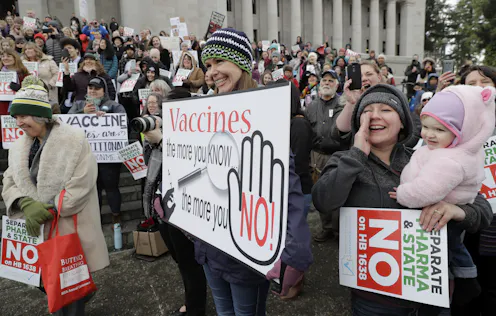
Studies have shown that the reasons for anti-vaccine sentiment run deep, and scientific facts don’t often matter. A new study drills deeper into reasons for resistance and possible ways to counteract them.
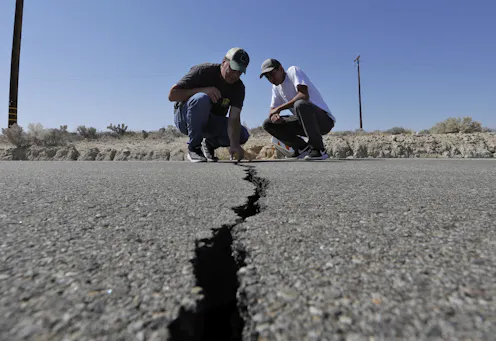
Engineers know how and where to build to minimize earthquake damage. But laws don’t always reflect that wisdom. A new study suggests it’s because of a mismatch between risk perceptions and reality.

Military veterans have concerns about climate change at about the same level as nonveterans, a recent study suggests. What might this mean for acceptance of climate science?
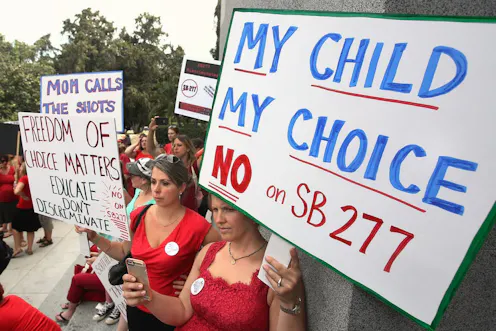
El 43% de los norteamericanos cree, erróneamente, que vacunarse contra la gripe provoca que uno contraiga esta enfermedad, a pesar de que diversos estudios científicos han demostrado lo contrario.
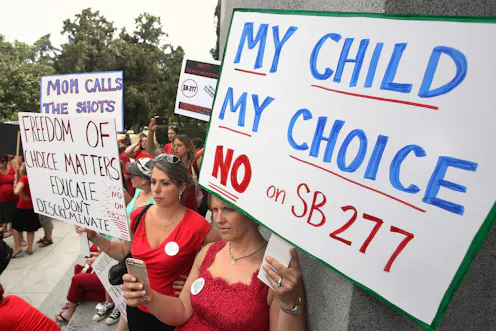
Vaccination rates for children in some parts of California are down, despite a law that narrowed exemptions. Here’s a look at why people refuse to listen to evidence when it comes to the flu vaccine.

The scientific community always wants more cash to fund research. A new study examines whether more concrete knowledge of science or more general interest in it is likelier to loosen the pursestrings.

Vaccines have long been considered safe, but many people still believe they are not. A new study shows that people who think they know more than medical experts are more likely to believe that vaccine are not safe.
Contact Matt for
- General
- Media request
- Speaking request
- Consulting / Advising
- Location: Boston, Massachusetts, U.S.
- Website
- BlueSky: @mattmotta.bsky.social
- X (formerly Twitter): @matt_motta
- Article Feed
- ORCID
- Joined
