
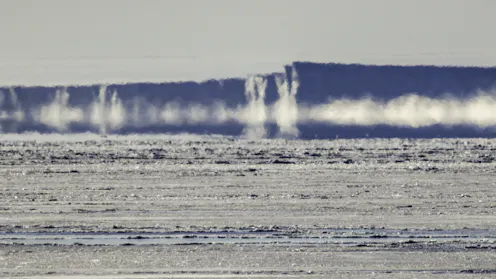
Si toute la glace du bassin de Wilkes fondait, le niveau de la mer sur Terre monterait de 3 à 4 mètres. C’est déjà arrivé par le passé, à des températures que nous risquons d’atteindre.
- Professor of Polar Geodesy and ARC Laureate Fellow, University of Tasmania
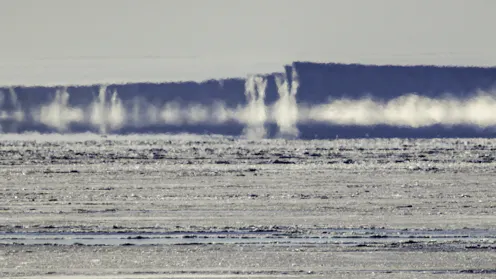
If all the ice in the Wilkes Subglacial Basin melted, it would raise global sea levels 3 to 4 metres. It happened before – at temperatures we’re heading towards
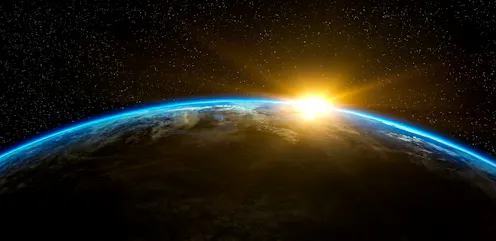
Bien que la Terre ait atteint son jour le plus court le 29 juin 2022, la trajectoire à long terme semble être passée du raccourcissement à l’allongement depuis 2020. Un mystère pour la recherche.
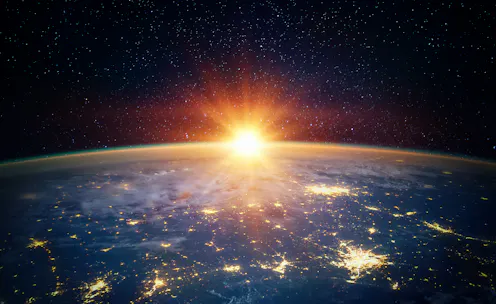
Aunque los relojes de nuestros teléfonos indican que hay exactamente 24 horas en un día, el tiempo real que tarda la Tierra en completar una sola rotación varía ligeramente.
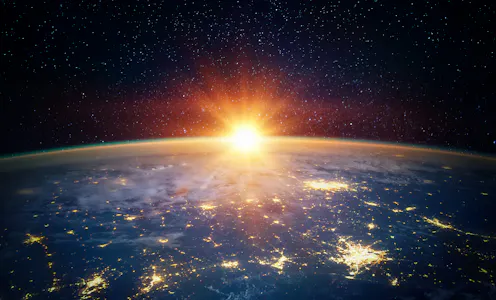
The length of a day has critical impacts on our technologies, navigation, and more.
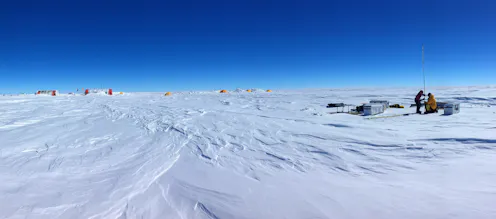
Some 58 metres of sea level rise is locked up in Antartica’s ice sheets, and it’s melting faster than expected.

A huge iceberg is set to break free from Antarctica. While the iceberg isn’t hugely concerning, it could herald the breakup of the entire Larsen C ice shelf, which could trigger more sea-level rise.

Greenland’s ice is largely responsible for the accelerating pace of sea-level rise. A new analysis shows that, while Greenland accounted for just 5% of the rise in 1993, that figure rose to 25% by 2014.
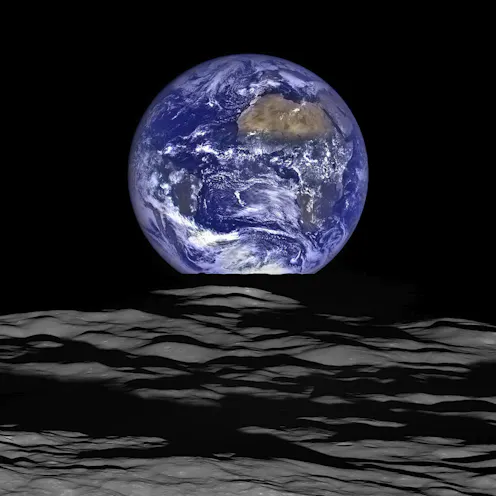
Driverless cars and drones will require pinpoint location accuracy, which means our methods for measuring the Earth’s centre need an overhaul.

Polar ice isn’t all the same - it can be divided roughly into “land ice” and “sea ice”. What matters most for sea levels is how much ice slides off the land and melts in the sea.
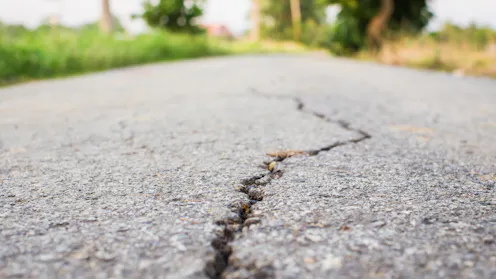
The earth around you might seem static but it’s constantly in motion. We need to track this motion in fine detail if we’re to keep our GPS networks up to date.
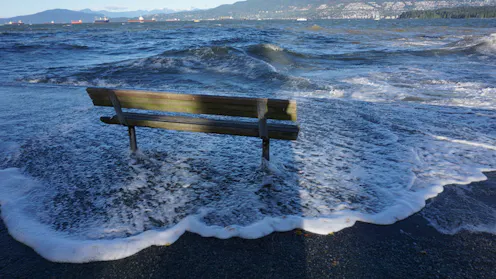
Since 1993, satellites have been used as well as tidal gauges to monitor sea level. A new calibration of this satellite record now shows that the rise in sea level is gathering pace.
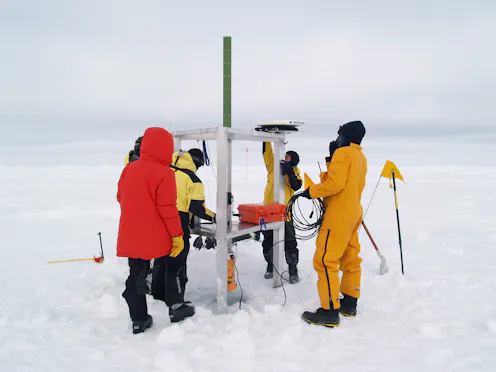
A hundred years after Australian explorer and geologist Douglas Mawson returned from his epic scientific adventures in Antarctica, Australia’s scientific exploration of the icy southern continent has all…
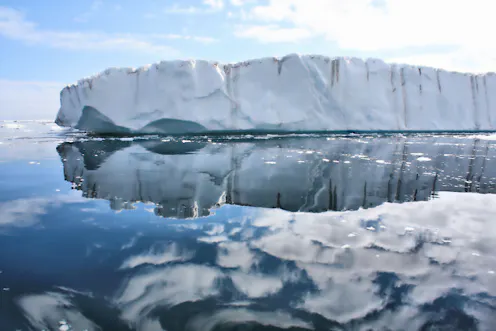
Global warming has caused nearly 200 billion tons of Greenland’s mass to disappear annually in the last decade but its icy centre actually grew, a new study has found. The melting of the Greenland ice…
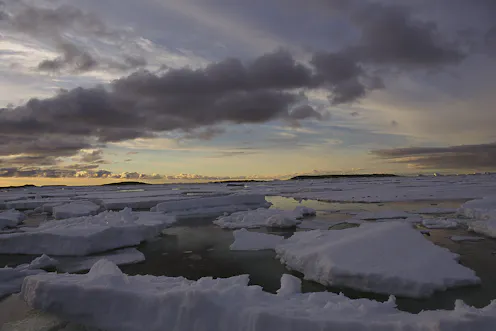
A small slice of Antarctica turns up along your coastline each year. We’re all glad it’s just a small slice, given Antarctica could deliver a total sea-level rise of 59 metres. That’s not going to happen…
Contact Matt for
- General
- Media request
- Speaking request
- Consulting / Advising
- Research collaboration
- Research supervision
- Location: Hobart, Australia
- Website
- BlueSky: @deformedearth.bsky.social
- LinkedIn: matt-king-a1a5321
- X (formerly Twitter): @DeformedEarth
- YouTube: @DeformedEarth
- Article Feed
- ORCID
- Joined
