
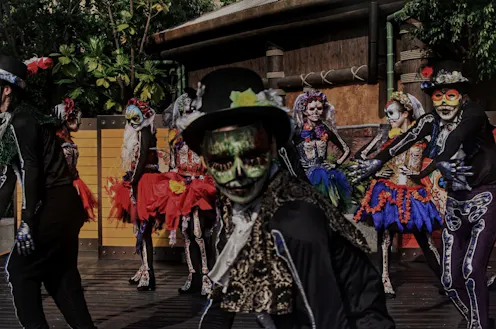
Un erudito mexicano-americano escribe que en el siglo XVIII, el Día de los Muertos generaba el mayor mercado anual de Ciudad de México.
- Associate Teaching Professor in Culture & Performance, Arizona State University
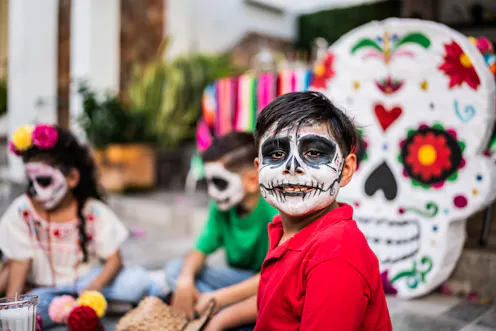
Halloween’s influence is transforming popular festivities around Día de los Muertos and its ceremonial customs in rural and urban areas of Mexico in some fascinating ways.
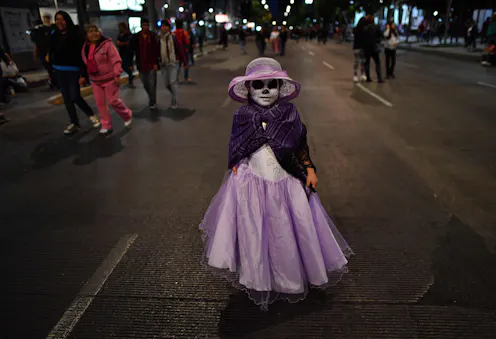
Un obscur graveur mexicain du nom de José Guadalupe Posada a créé ce crâne satirique au début des années 1900 et l’a vendu pour un centime. Mais après sa mort, le crâne a pris une vie propre.
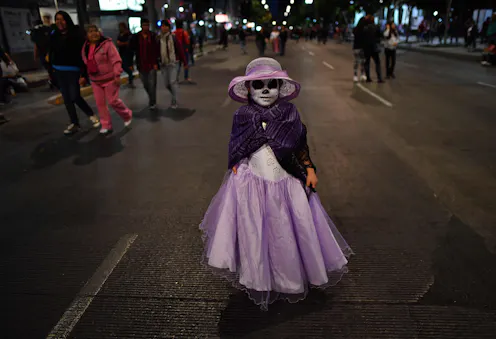
An obscure Mexican engraver named José Guadalupe Posada created the satirical skull in the early 1900s and sold it for a penny. But after he died, it took on a life of its own.
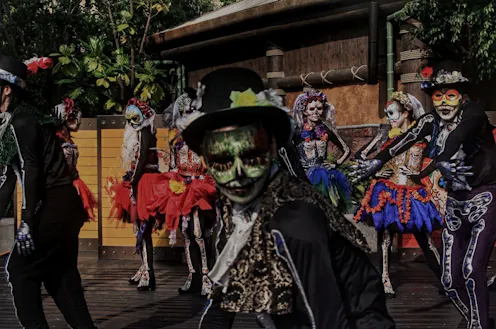
A Mexican-American scholar writes that in the 1700s, Day of the Dead generated the largest annual market in Mexico City.
Contact Mathew for
- General
- Media request
- Speaking request
- Consulting / Advising
- Research collaboration
- Research supervision
- Location: Phoenix, Arizona, U.S.
- Website
- Article Feed
- Joined
