
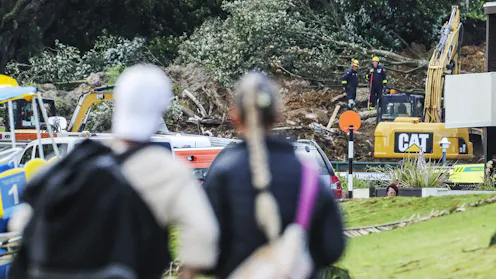
After the fatal landslides at Mount Maunganui, attention has focused on recent tree removal from Mauao. But landslides rarely have simple causes.
- Professor of Applied Geology, University of Auckland, Waipapa Taumata Rau
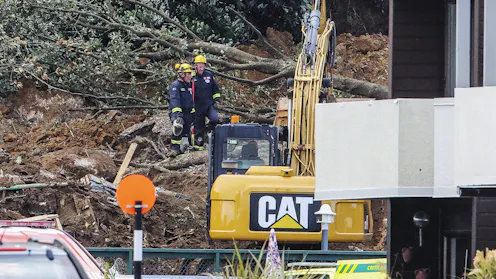
Tragic slips in the Bay of Plenty highlight how geology, heavy rainfall and climate change are combining to amplify a largely hidden risk.
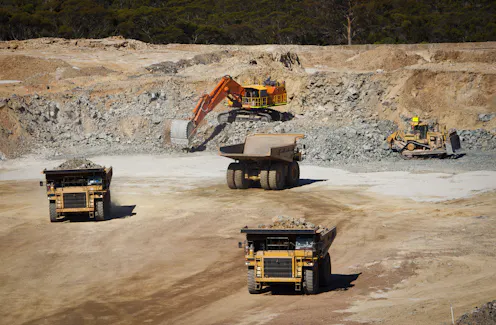
Shane Jones’ draft mining strategy is politically divisive. But New Zealand must face the practical and ethical implications of its own reliance on the critical minerals extracted elsewhere.
Some New Zealand universities have proposed staff and course cuts in earth sciences. This could leave the country ill prepared to deal with natural hazards and extreme weather.
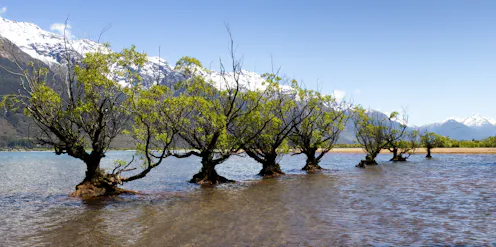
Not all environmental change is obvious. But incremental and cumulative changes can be just as harmful as more immediate and observable events, meaning risk management practices need to adapt.

The ‘stickering’ of houses under section 124 of the Building Act, and decisions about when it’s safe to return, need to be informed by science. Affected communities should be involved at every stage.
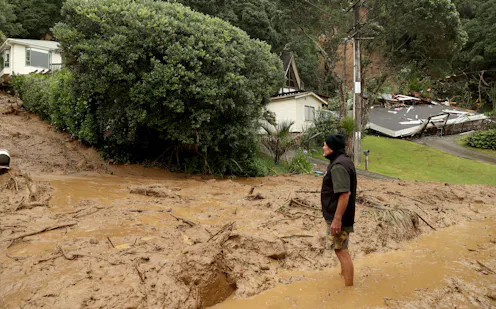
The beach community at Muriwai has experienced deadly landslide in the past, but houses were nevertheless allowed to be built on the debris of former slips.
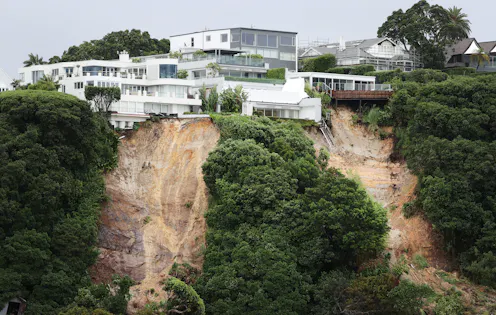
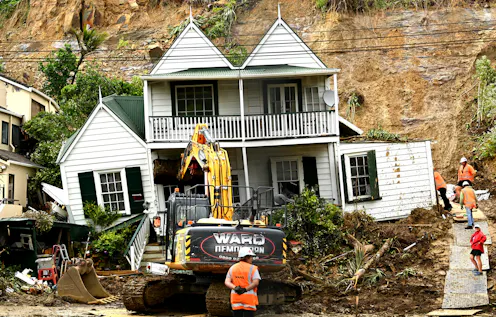
Building too close to cliffs and slopes, weak soils, lack of vegetation and increased rainfall all played a part in the massive storm damage to Auckland. The city needs to change the way it uses land.
Contact Martin for
- General
- Media request
- Speaking request
- Consulting / Advising
- Research collaboration
- Research supervision
- Location: Auckland
- Website
- X (formerly Twitter): @MartinBrook17
- Article Feed
- ORCID
- Joined
