
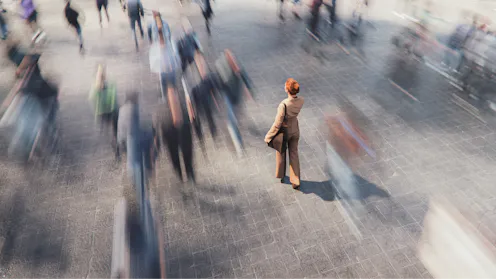
You may feel lonely even with strong friendships if you lack deeper connection, shared identity or a sense of community. It doesn’t mean you’re ungrateful.
- Senior Research Fellow, Matilda Centre for Research in Mental Health and Substance Use, University of Sydney

Society’s expectations of how a man works and what he earns is a key contributor to how lonely he feels in the workplace.
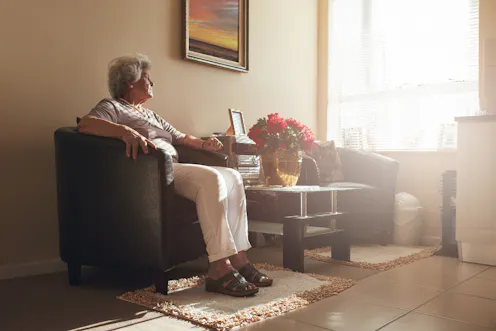
A systematic review of thousands of studies around the world has found many aspects of our cities affect loneliness. But people’s relationship with their environment is complex and highly individual.
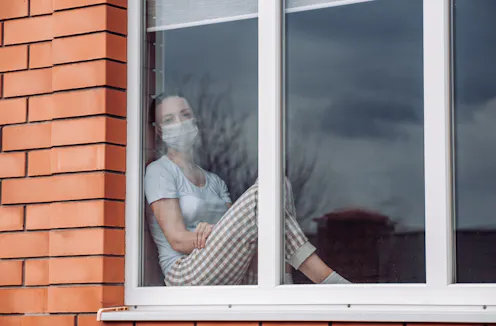
We found men managed to bounce back quicker after lockdowns ended, in part due to their involvement in sporting and recreational activities.

We asked over 1,000 Australians about their mental health concerns. Without being prompted, participants consistently highlighted three: service barriers, financial stress, and social disconnection.

In a new survey, Australians report a reduction in the quality and size of their friendships, not just during lockdowns, but months after they end.
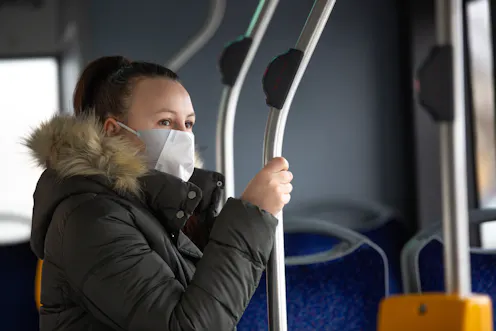
The pandemic ‘pressurised’ personal triggers for poor mental health by worsening financial stress and reducing social support.
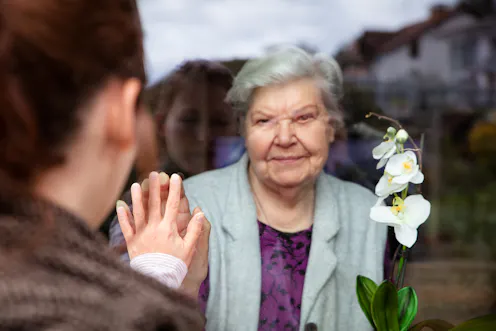
Anxiety and loneliness affect many people at the best of times. The pandemic-induced isolation and stress won’t be helping, but cities can do many things to improve the ‘emotional climate’.
Contact Marlee for
- General
- Media request
- Speaking request
- Consulting / Advising
- Research collaboration
- Research supervision
