
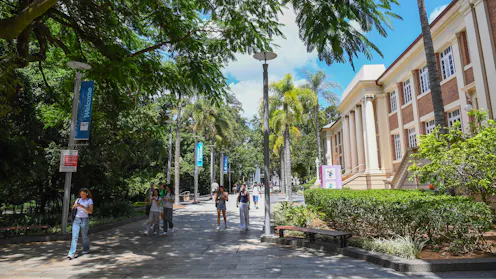
An arts degree under the Job-ready Graduates scheme will now cost more than $54,000.
- Honorary Senior Fellow, Centre for the Study of Higher Education, The University of Melbourne

Wiping debt will help students and graduates but the changes are not as good as they should be. Particularly if you have a HELP debt and a family to support.
The federal government is contemplating the biggest overhaul of higher education in a generation. One issue crying out for more attention in the Universities Accord process is student loans.

The subsidies for student places up to 2024 fall about $1.1 billion short of the level needed to create the extra places the government promised its Job-ready Graduates policy would deliver.

From December 2017 (when the government put a cap on demand-driven funding) to 2024 (when the Job-ready graduates package is fully implemented) — the government will save nearly A$1 billion annually.
The cuts to higher education funding are more about making savings than improving higher education, and would be extremely hard to change in the future.
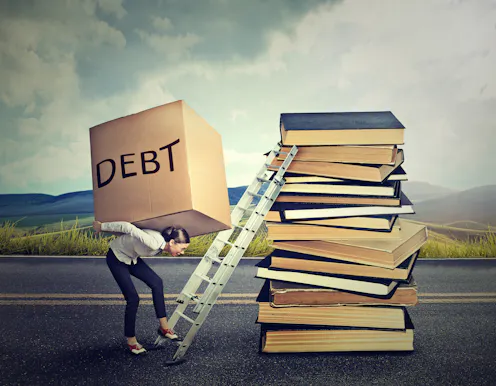
Senators should consider how repayment thresholds vary depending on family circumstances, the impacts on taxes and how long students will be saddled with debt.
The fact that a university has a surplus doesn’t mean it has a profit to be either reinvested or returned to shareholders. Grants, for example, should be spent on the projects they’re intended for.
Contact Mark for
- General
- Media request
- Speaking request
- Consulting / Advising
- Research collaboration
- Research supervision
- Article Feed
- ORCID
- Joined
