
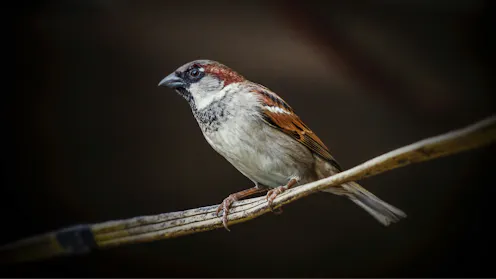
New research on house sparrows in three Australian towns revealed subtle but disturbing effects of pollution. If city living is harming birds, what about people?
- Honorary Professor, School of Natural Sciences, Macquarie University
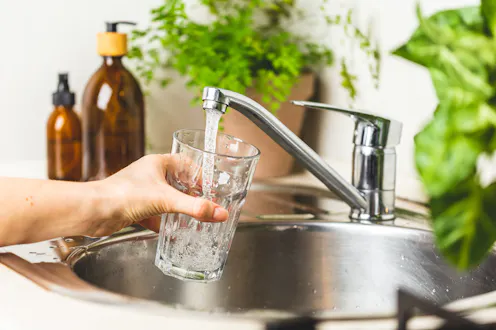
There is renewed concern about PFAS or ‘forever’ chemicals in drinking water. Here’s how we keep track of more than 250 potential contaminants to ensure our water is safe to drink.

Researchers found blood-lead levels in sparrows were a predictable indicator of blood-lead levels in children – showing how humans and nature are inextricably linked.
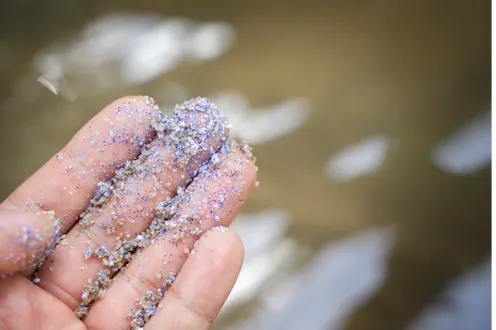
Microplastics are created when everyday products – including clothes, food and beverage packaging, home furnishings, plastic bags, toys and toiletries – degrade.
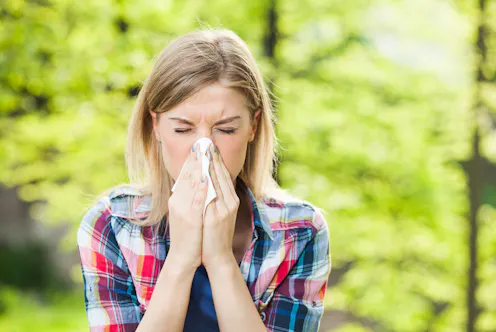
En matière d’impact environnemental, les mouchoirs en papier n’ont pas forcément un bilan moins bon que les mouchoirs en tissu. Et concernant l’hygiène, le tissu ne fait pas mieux non plus.
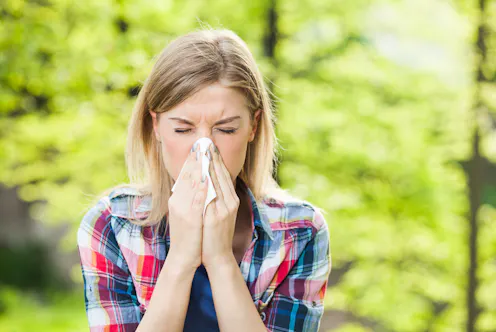
The answer might surprise you.
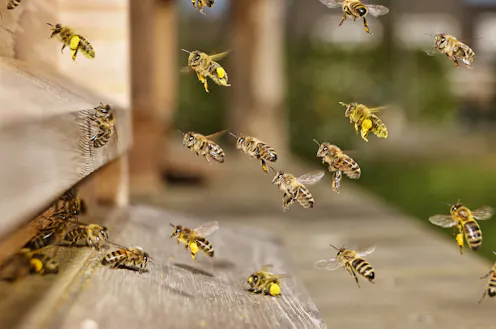
Using bees as biomonitors can be a more sensitive and effective way of detecting contaminants than traditional sampling methods, new research shows.

We detected 180 contaminants in treated and untreated water. None of those found in treated water breached human health guidelines, but we should not forget about potential impacts on the environment.
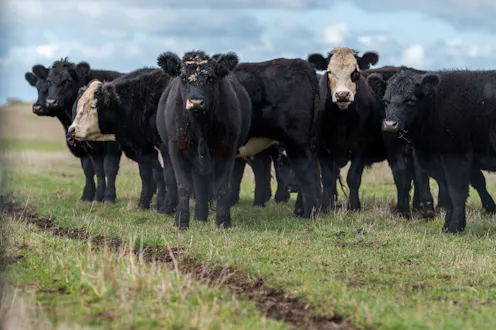
Most food in Australia remains free of PFAS, but a new study has found it can build up in cattle on PFAS-affected farms. But there are ways to manage the land and livestock to reduce the risks.
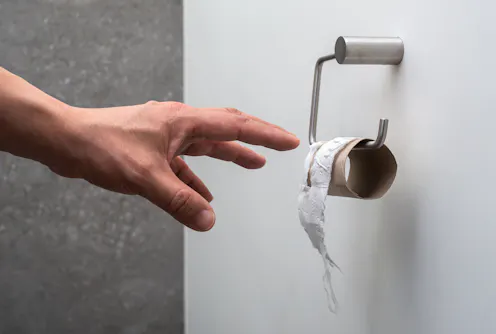
Every household is more likely than not to have dusts containing PFAS chemicals at low concentrations. But how worried should we be about the risks to our personal health?
Levels of trace metals inside can be higher than the sources of contamination outside. It underscores the need for households to take care to prevent those contaminants being brought indoors.
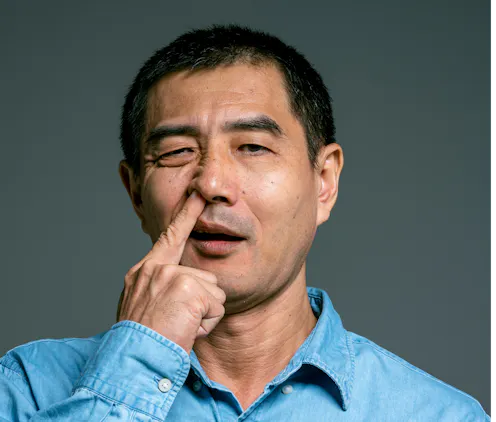
We dug into what was behind the headlines on nose-picking and dementia so you don’t have to. Here’s what the study really says.
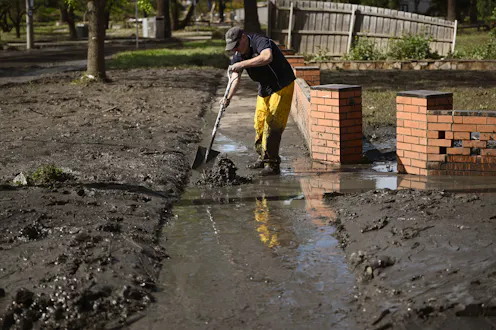
Foods stir up river sediments and can spread contaminants across the floodplain. It’s a risk in areas with a history of industrial pollution, like Maribyrnong, but EPA test results are reassuring.
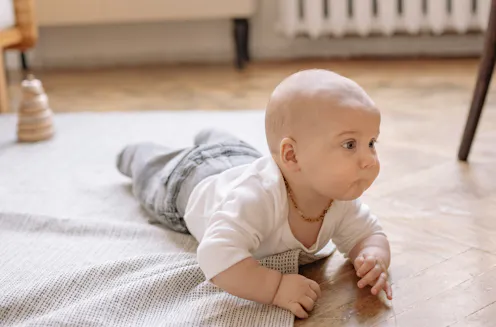
It’s impossible to escape exposure to microplastics and a new study confirms they’re in household dust around the world. But the health risks appear surprisingly low, and vacuuming makes a difference.
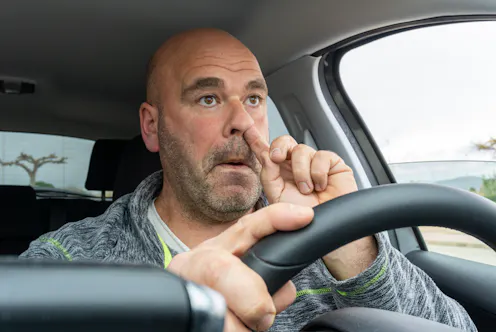
En secret, dans la voiture ou sur des serviettes de table, nous le faisons tous. Et pour être franc, c’est très satisfaisant.
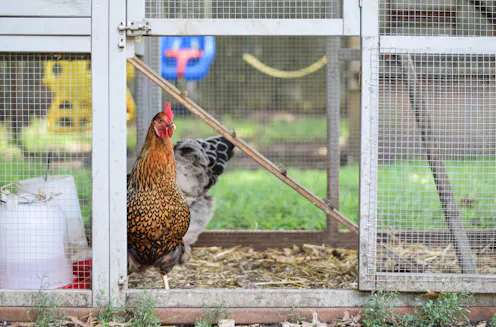
Lead levels in backyard hen eggs are often much higher than in eggs bought in the shops. A new study of soil lead, chickens and eggs locates the high-risk areas in our biggest cities.
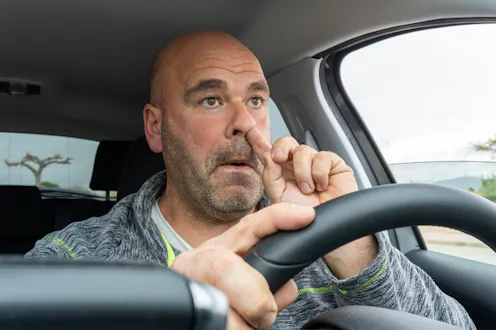
A escondidas, en el coche o en servilletas, todos lo hacemos, pero nuestra nariz trabaja horas extras para mantenernos sanos, así que no se lo pongamos más difícil metiendo nuestros sucios dedos ahí dentro.
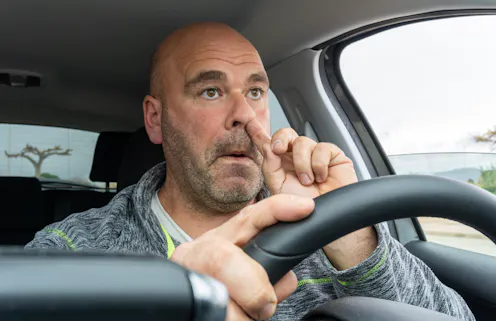
In secret, in the car or on napkins, we all do it. And truth be told, it is so satisfying.
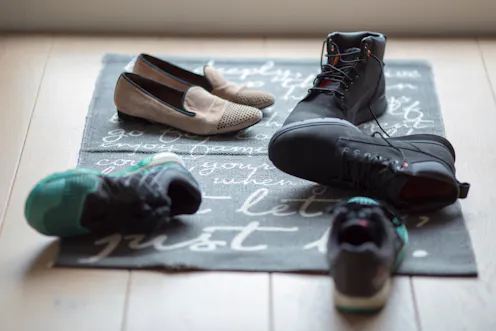
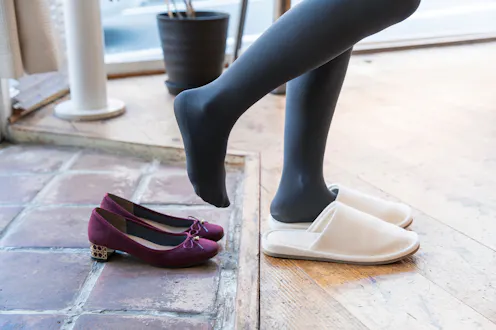
La cuestión de si debemos llevar o no zapatos en casa no es trivial. Sobre todo porque en las suelas arrastramos patógenos resistentes a medicamentos, toxinas cancerígenas y productos químicos que alteran el sistema endocrino.
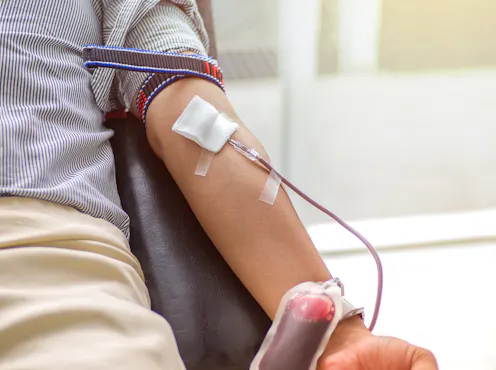
In a new randomised clinical trial, we found regularly donating blood or plasma can reduce blood PFAS levels.
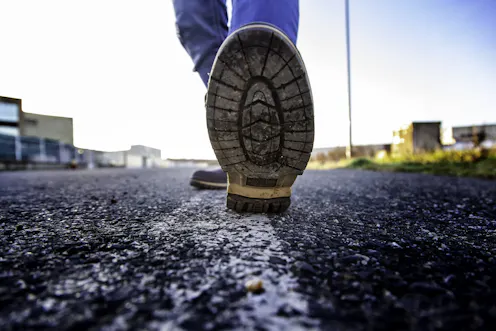
C’est désormais prouvé : nos chaussures sont de véritables nids à microbes ramenés de l’extérieur. Se déchausser à l’entrée est la meilleure façon de protéger son intérieur d’infections, plomb, etc.
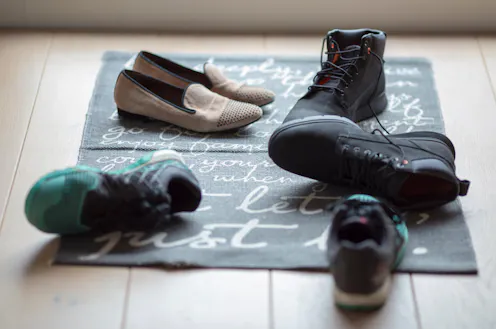
It is best to leave your filth outside the door.
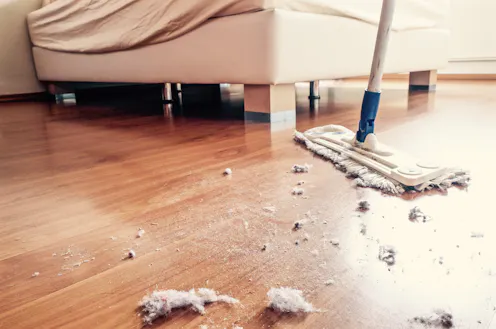
Trace metal exposure can lead to concerning neurocognitive effects in people of all ages.
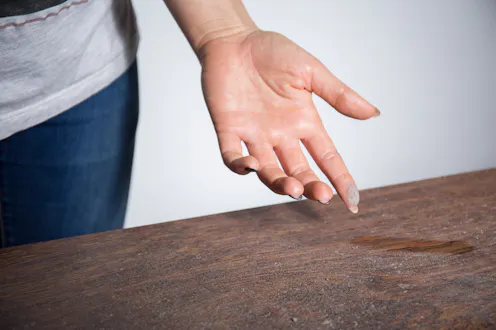
Australians have been sending their dust to our DustSafe program for us to analyse. Here’s what we’ve learned so far — and what you can do to reduce your dust risk.
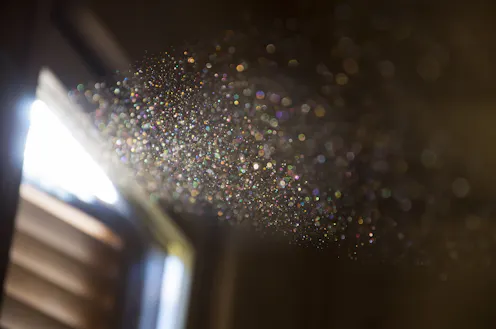
We analysed the dust in 32 homes across Sydney, and found significant levels of microplastics. But having hard, non-varnished floors and vacuuming at least weekly might help.
Contact Mark for
- General
- Media request
- Speaking request
- Consulting / Advising
- Research collaboration
- Research supervision
- Location: Sydney, Australia
- Website
- LinkedIn: mark-patrick-taylor-751b634
- X (formerly Twitter): @mptaylor66
- Article Feed
- ORCID
- Joined
