
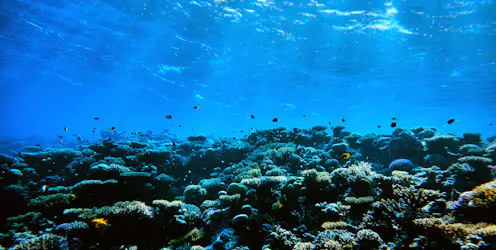
By the end of the century, half the world’s deep ocean could be acidic – with serious consequences for some marine animals.
- Professor in Marine Biology, Nord University
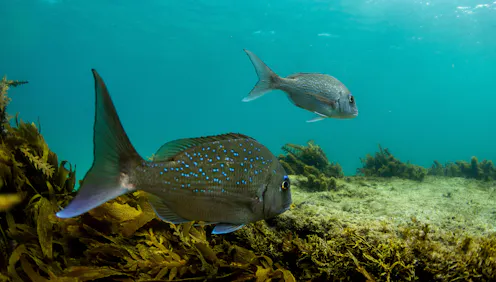
Marine protection represents our best strategy to reverse declining biodiversity. But protected areas also provide a low-tech and cost-effective way for the fishing industry to safeguard stocks.
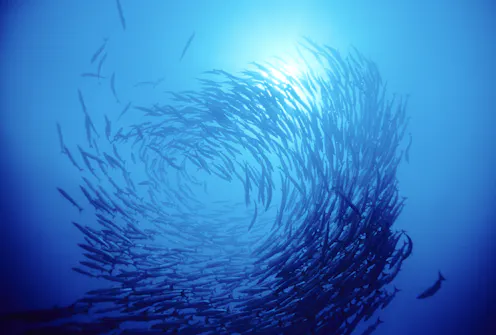
O “efeito 20°C” pode nos dar novas pistas sobre como a temperatura controla os ecossistemas e influencia a evolução, além de como as espécies podem se adaptar às mudanças climáticas
The ‘20°C effect’ could give us new insights into how temperature controls ecosystems and influences evolution – as well as how species might adapt to climate change.
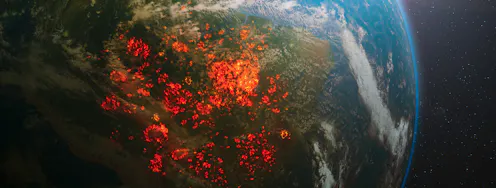
The big climate and biodiversity assessment reports are too few and far between. The world needs much more regular reporting for action and adaptation to keep pace.
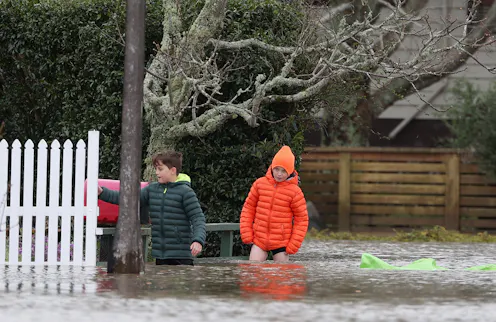
As the impacts and costs of climate change increase over time, New Zealand’s financial systems could become less stable and the government less able to support those affected.
Perubahan iklim telah membuat lautan tropis terlalu panas bagi beberapa spesies. Ketika berpindah ke arah kutub, akan berdampak besar bagi ekosistem dan mata pencaharian manusia.
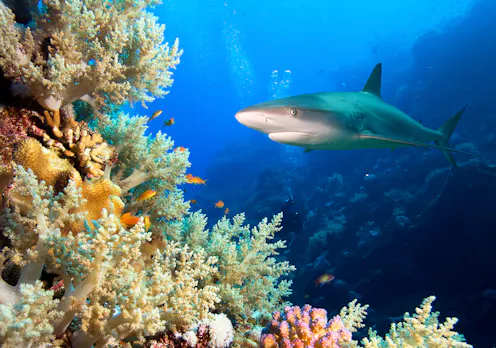
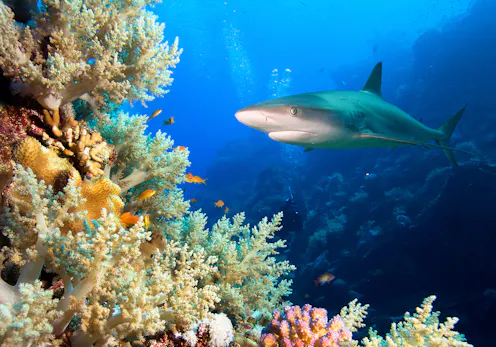
Climate change has already made tropical oceans too hot for some marine species to survive. As they flee towards the poles, the implications for ecosystems and human livelihoods will be profound.
Contact Mark for
- General
- Media request
- Speaking request
- Consulting / Advising
- Research collaboration
- Research supervision
- Location: Norway
- Website
- X (formerly Twitter): @m.costello@auckland.ac.nz
- Article Feed
- ORCID
- Joined
