
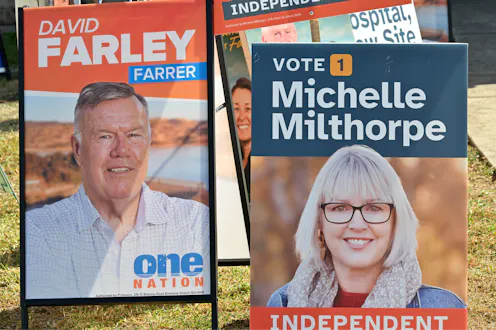
In Australia’s regional heartland, something unusual is happening, it’s no longer predictable, listening to voters might give some clues.
- Adjunct professor, Charles Sturt University
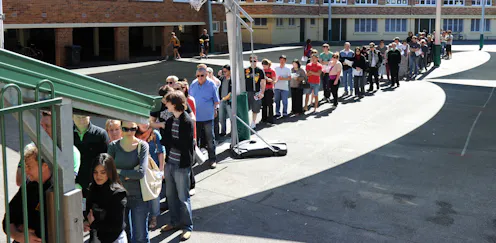
A new audit of Australia’s democracy finds it generally in good shape, but with pressing issues that need addressing.
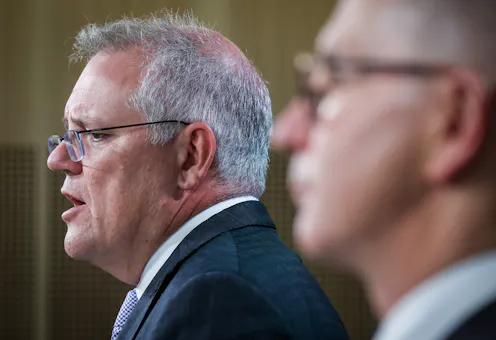
At this stage of the pandemic, when behavioural change is so key to vaccine take-up, the government ignores the views of the public at its peril.
After the crisis: what lessons can be drawn from the management of Covid-19 for the recovery process?
Michelle Grattan and Mark Evans explore the lessons that can be taught by the management of COVID-19, with Norman Swan and Mark Kenny.
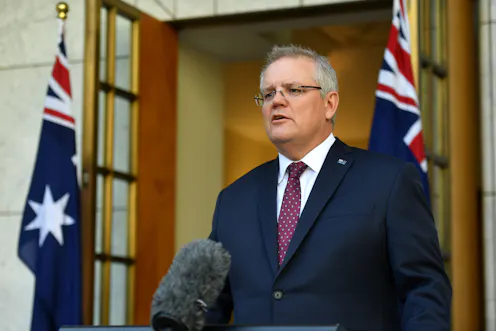
Australians have more trust in their government and leader to deal with the pandemic than people in US, UK and Italy. Confidence in state and territory leaders, however, is far lower.
Trust, democracy and COVID-19: A British perspective
In this Democracy 2025 podcast, Mark Evans and Michelle Grattan explore differences in the management, experience and impact of the COVID-19 crisis between Australia and the UK.
democracy-2025-episode-02
Michelle Grattan and Mark Evans discuss the post-COVID public service with a panel of experts.
Democracy 2025 - How does Australia compare: what makes a leading democracy? With Michelle Grattan, Mark Evans and Ian Chubb
In this special hour long podcast presented by Mark Evans, professor of governance and director of Democracy 2025, the panel discusses Australian democracy with Emeritus Professor Ian Chubb and Michelle Grattan.

It’s not that young people don’t like politics – they just want to do politics differently.
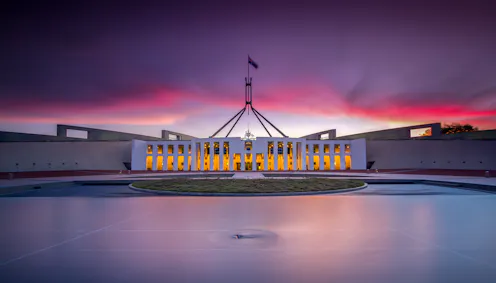
New research shows parliamentarians believe the key to improving trust between them and their constituents is in improving links to the community and better educating the public about our democracy.
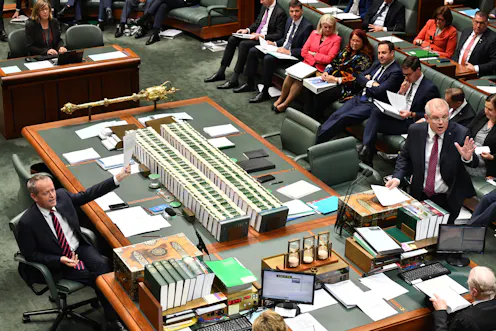
The dire level of trust in Australia’s government and politicians has serious implications for the health of our democracy. Whoever wins the next federal election must make fixing it a priority.
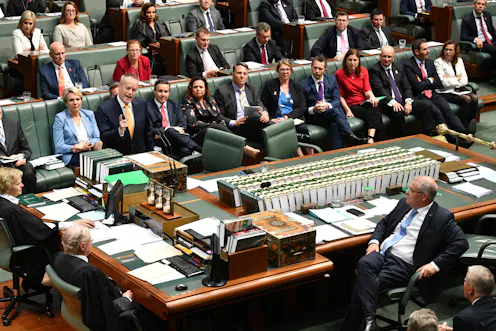
Australians’ trust in politicians and democracy continues to plummet, posing significant problems for the effective running of the country.
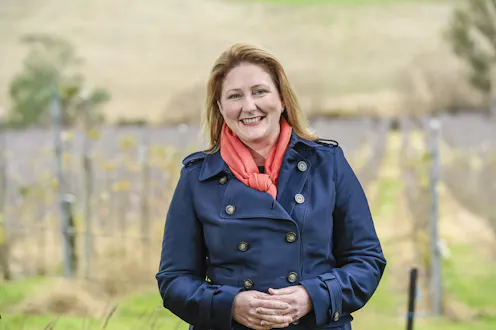
With just over a week until the Super Saturday byelections, there is great interest in each of the five seats in play, including Mayo in South Australia.
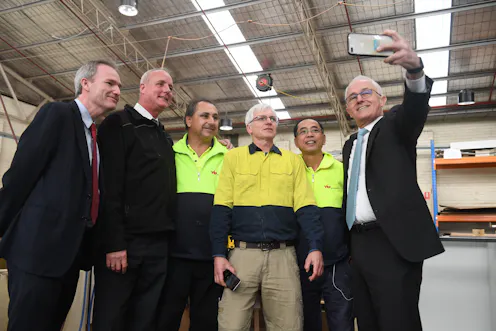
Michelle Grattan speaks with Mark Evans about the week in Australian politics.
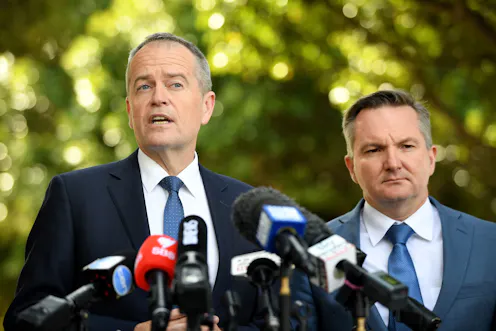
Michelle Grattan speaks with Mark Evans about the week in politics.
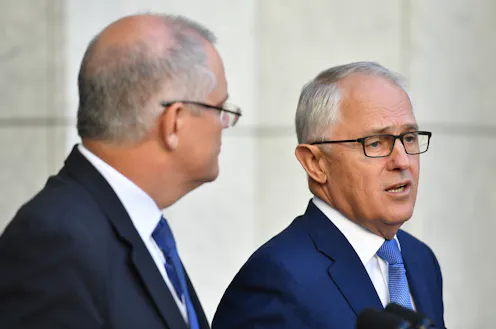
Michelle Grattan speaks with Mark Evans about the week in Australian politics.
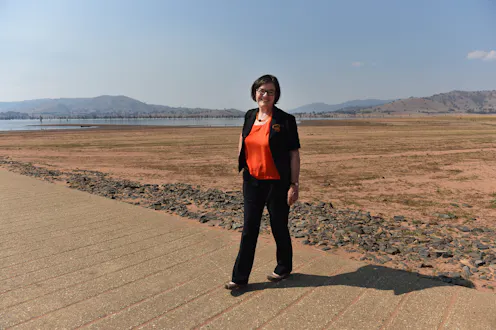
Indi has a potentially large number of floating voters at the local scale, mirroring the situation nationally. What do the people of Indi think about issues of trust?
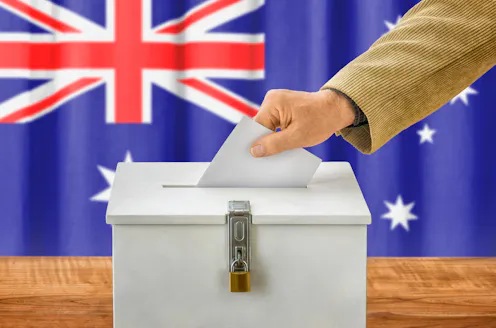
It should be of concern to politicians that so much discontent is apparent at a time of relative affluence.
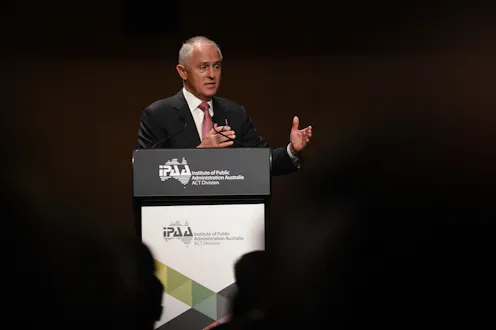
The Turnbull government sees the ‘City Deal’ as a way for ‘smart cities’ to drive innovation and growth. But what is the value proposition behind this UK concept and how might it work in Australia?
University of Canberra Director of the Institute for Governance and Policy Analysis Mark Evans and Michelle Grattan discuss the week in politics.
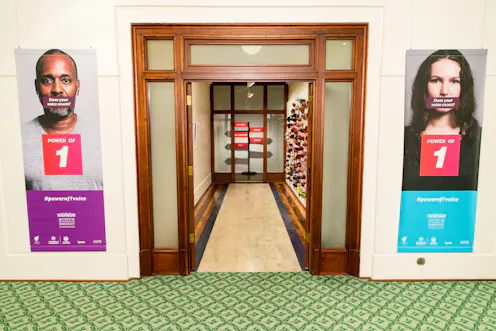
Australians divide along generational lines when it comes to participating in politics. Less predictably, they are almost united on the need to fix the political system and the best ways to do that.
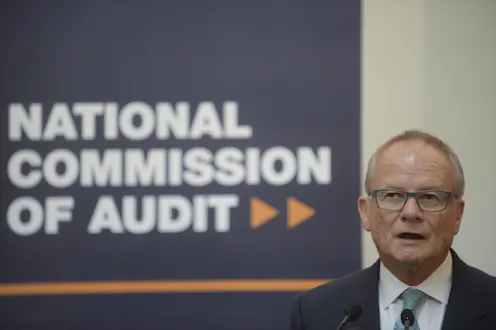
The 2014 federal budget was informed by the need to think long term and was accompanied by austerity rhetoric. Regardless of where you stand on the merit of austerity policy in affecting economic recovery…
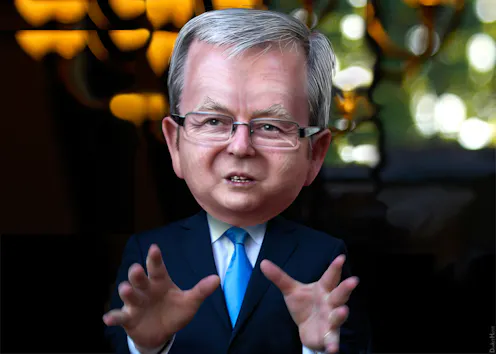
While for some Australians the recent leadership spill will be viewed as a simple act of restorative justice, many others would have spectated on events in Canberra with an equal measure of indifference…
Contact Mark for
- General
- Media request
- Speaking request
- Consulting / Advising
- Research collaboration
- Research supervision
- Location: Canberra, Australia
- LinkedIn: mark-evans-7b8b2192
- X (formerly Twitter): @MarkEvansACT
- Article Feed
- ORCID
- Joined
