
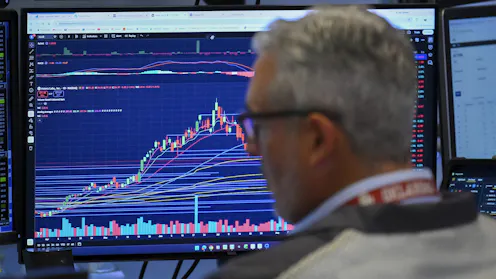
With no clear plan to curb government spending in the US or in Australia, investors are pushing up interest rates to decade highs.
- Professor of Economics, Monash University
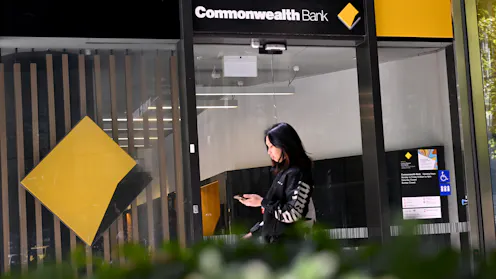
Both the Commonwealth Bank, and the ASX as a whole, are considered expensive. But does this mean they’re headed for a fall?
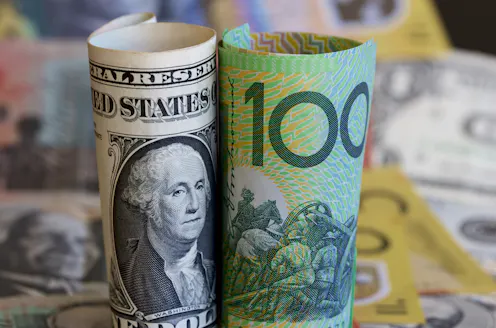
If you’re an Australian travelling overseas, prepare to possibly pay more. But for other groups, including our export industries, a weak Australian dollar can have upsides.
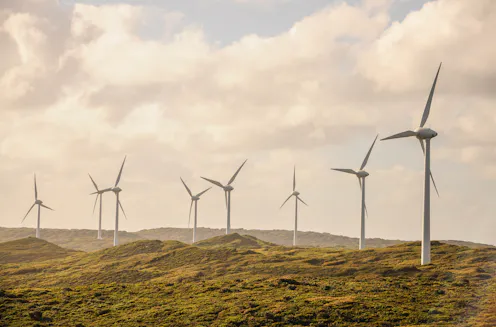
It’s unclear whether requiring the fund to prioritise certain kinds of investments will lead to lower returns. There’s a bigger question – why can’t the government fund priority projects through debt?
Both should work hand in hand to ensure the best outcomes for the economy as a whole. But they operate quite differently.

It is bad practice to compensate people who choose not to do the right thing, and it can create expectations.

Not all people in banks are unethical, but banking attracts unethical people.
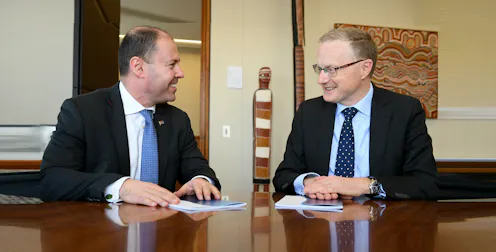
Every one of the 13 economists surveyed by The Conversation thinks more stimulus is needed. None think it should all come from the Reserve Bank. Most think the budget surplus can wait.
Precedent suggests that what’s happened in the US will lead to a recession, but maybe it’ll be different this time.

History shows there’s no best economic manager. They’re both pretty good.
Interest rate cuts don’t work like they used to, and they help us put off the hard things we need to do to improve our lives.

The odds of winning are no better than even, and the costs of losing are enormous. We ought to limit forex to traders who can demonstrate their expertise.

Regardless of his qualities, and Donald Trump’s pick was the former chief economist at Bear Stearns, right now a US candidate is the wrong candidate.
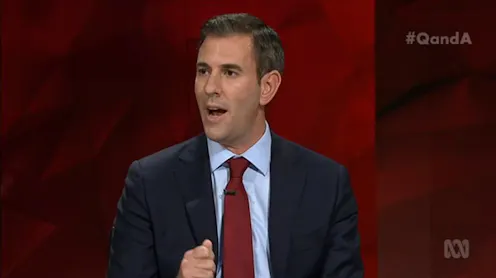
Was shadow minister for finance Jim Chalmers correct when he said that under the current Coalition government, net debt had doubled? We asked the experts.

Trade Minister Steven Ciobo told Q&A viewers that Australia has had 25 years of continuous economic growth, and is the only country in the world with a period of growth that long. Is that true?
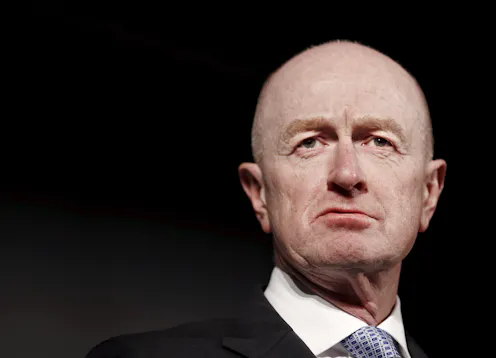
Fears of deflation have prompted the Reserve Bank of Australia to act on the eve of the federal budget.
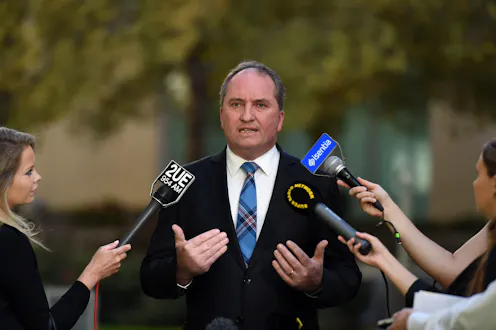
Deputy Prime Minister Barnaby Joyce said that when the Coalition lost government in 2007, Australia was owed billions by the world – but that when the Coalition regained power in 2013, Australia was in debt. Is that right?
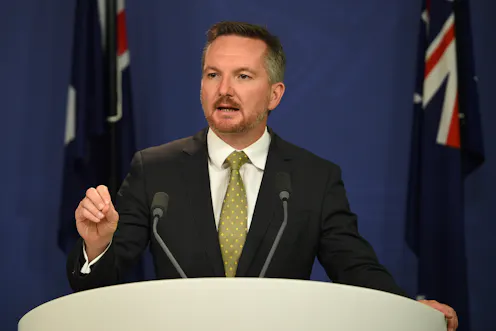
Shadow treasurer Chris Bowen told journalists that since the last federal election, the government has had spending as a percentage of GDP at GFC levels. Is that right?
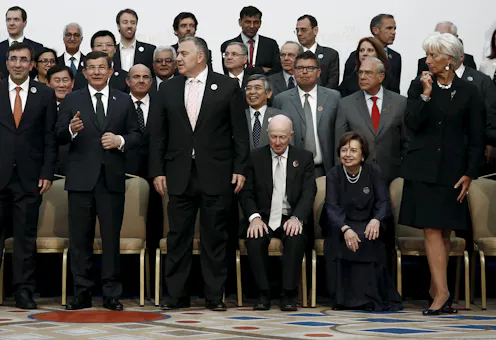
Without true structural reform and business investment the G20 economies will be unable to deliver on their lofty growth ambitions.

If Greece exited the Eurozone it would face several years of economic chaos. But it would be the master of its own destiny. The current EU offer will further destroy the Greek economy.
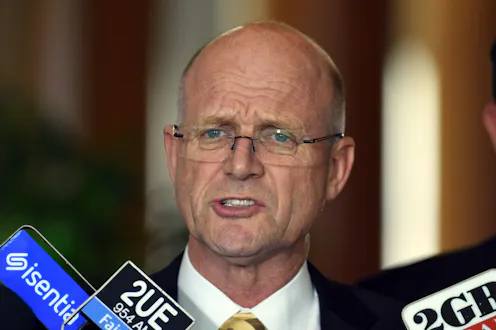
Liberal Democrat Senator David Leyonhjelm has said that probably half to two-thirds of the Australian population is receiving some form of government benefit. Is that right?

In the latest in our Budget Explainer series, Mark Crosby explains debt and deficit and where Australia stands.

We have now had four IGRs and they’ve all said pretty much the same thing. Time to tackle the age-old problem.
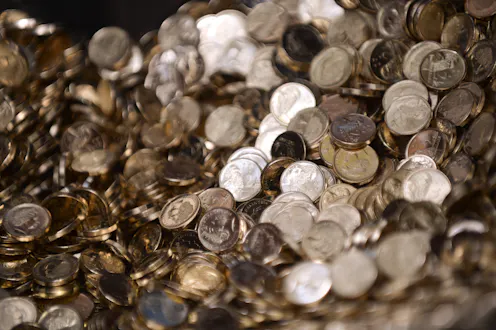
The Australian dollar fell to US77.17¢ overnight on the back of strong US jobs data, hitting values not seen since the GFC in 2009. The currency recovered slightly over the course of Friday morning, tracking…
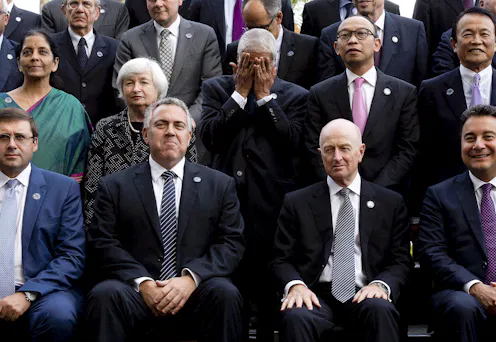
In 2000 in Lisbon the European Union countries met and agreed on the “Lisbon Agenda”. Europe was already lagging in terms of growth and jobs, and it was hoped that the Agenda would “deliver stronger, lasting…
Contact Mark for
- General
- Media request
- Speaking request
- Consulting / Advising
- Research collaboration
- Location: Melbourne, Australia
- X (formerly Twitter): @MonashBusiness
- Article Feed
- Joined
