

Though largely unread, party platforms are a vital clue about which groups hold real power in the two major national parties and can help predict what the government will actually do.
- Professor Emeritus of Political Science, Indiana University
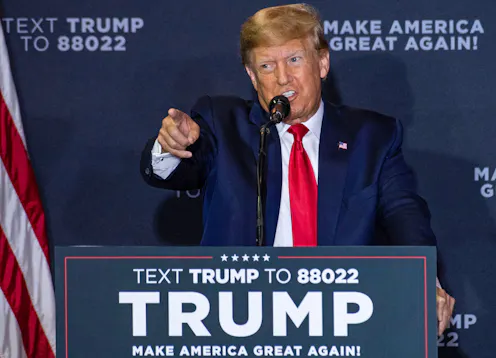
The centrality of race to US politics is, once again, a defining feature of the current presidential campaign.
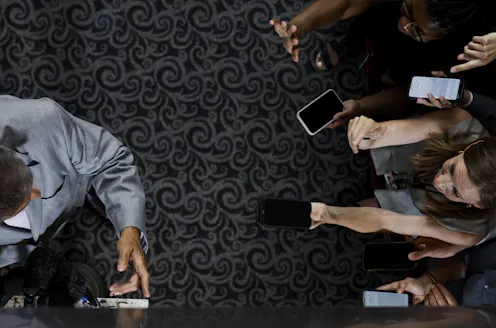
Many people define ‘bias’ as ‘anything that doesn’t agree with me.’ But are the news media really biased?
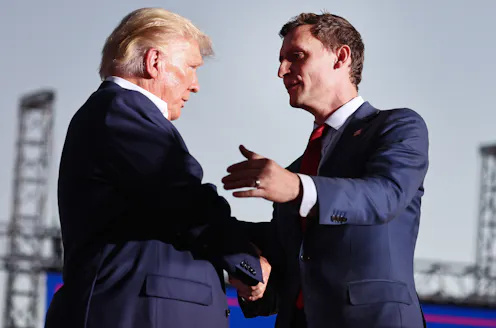
Voters trust their gut when they decide who an electable candidate is or isn’t. That may be a bad idea.
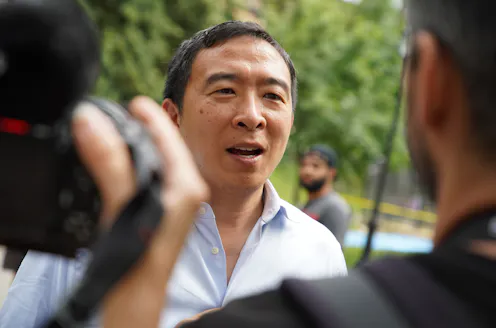
There’s a new party in town – but it may not last long.
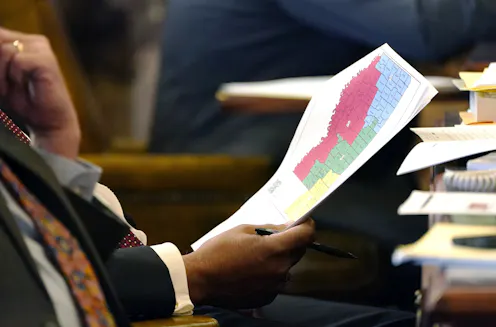
The results of the latest round of redistricting have advanced the anti-democratic trend where elected leaders choose their voters, undermining representative government.
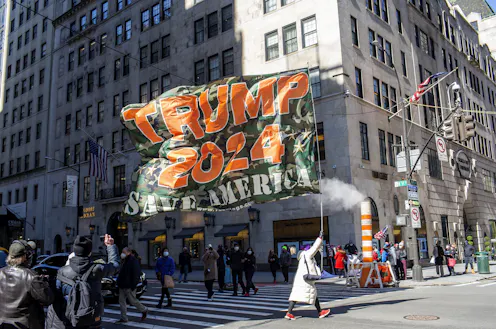
The majority of Americans say they’d like to be able to vote for a third party. Donald Trump says he might start one. But neither is likely to happen.
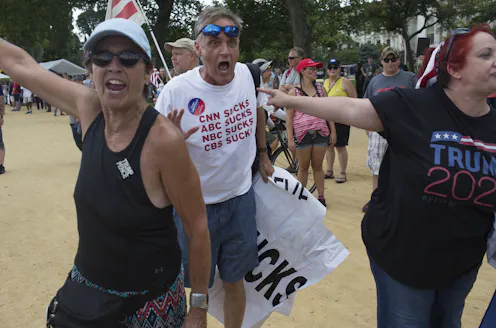
Charges of media bias are nothing new, though they’ve gotten louder since 2016, led by President Trump. But a press free to take a variety of viewpoints was the founders’ intention.
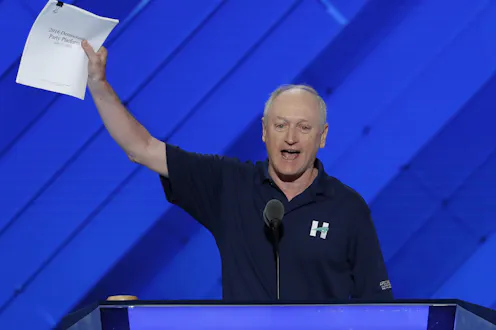
Party platforms are a vital clue about which groups hold real power in the two major national parties, and can help predict what the government will actually do.
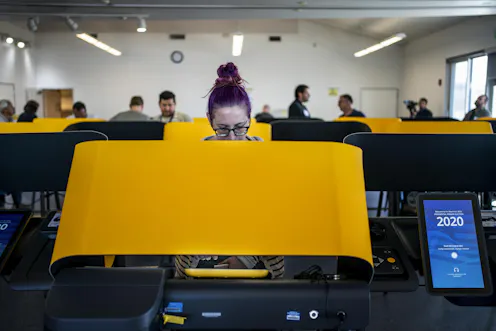
Why do some people think that Bernie Sanders isn’t electable and Joe Biden is? Does anyone really know what makes one candidate seem electable while another doesn’t?
Contact Marjorie for
- General
- Media request
- Speaking request
- Consulting / Advising
- Research collaboration
- Research supervision
- Location: Bloomington, Indiana, U.S.
- Website
- Article Feed
- Joined
