
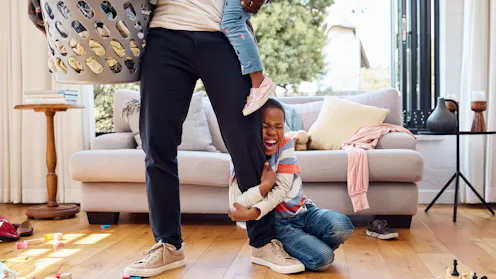
Supporting a child through intense emotions while managing your own is challenging work. Part of this is to practise identifying and validating emotions.
- Postdoctoral Research Fellow, Department of Psychology, University of Calgary
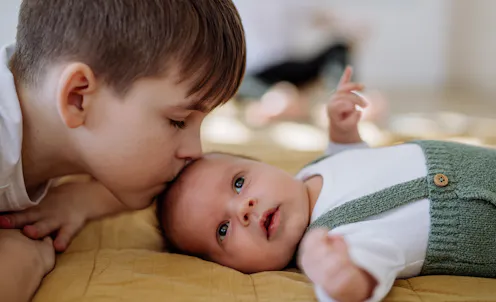
Wajar jika anak sulung menunjukkan perilaku negatif ketika sang adik lahir. Wajar pula untuk orang tua merasa bersalah harus berbagi fokus.
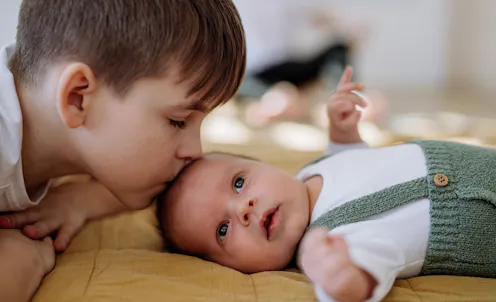
It is normal for an older child to behave in ways parents will find challenging when a sibling arrives, and for parents to feel upset they cannot spend as much time with their older children.
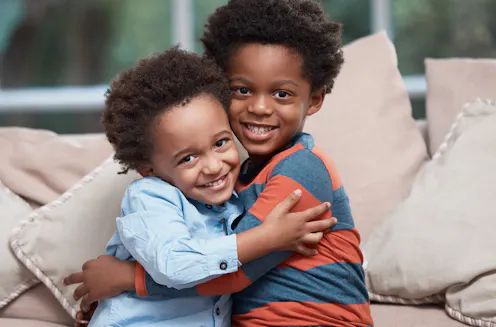
Strong, positive and supporting relationships between siblings can support people’s well-being throughout their lifetimes, and parenting approaches matter.

Attachment theory is the notion that in the first year of life, the ways in which a parent and caregiver respond to a child’s needs shape a child’s expectation of relationships across their lifespan.

Researchers with expertise in parent-child relationships and child development offer 5 tips about how parents or caregivers can find a balance between children’s structured and unstructured time.
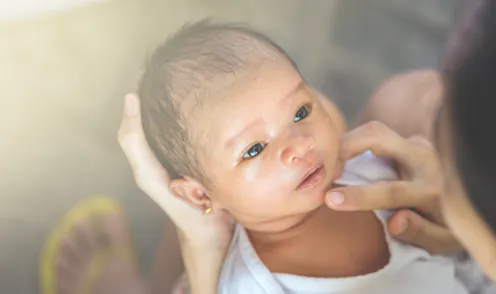
Parents or caregivers who a child can return to in times of distress to receive comfort or protection provide a secure base for the child from which they feel safe to explore the world.
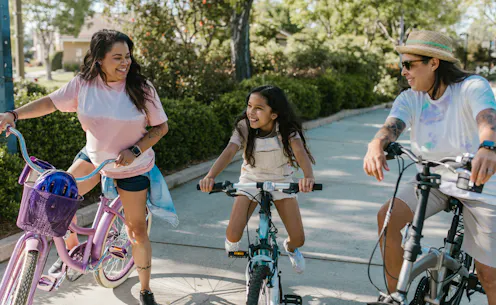
Any activity that you and your child enjoy can be educational, sometimes with just small tweaks.
Contact Marissa for
- General
- Media request
- Speaking request
- Consulting / Advising
- Research collaboration
- Research supervision
- Location: Calgary, AB
- X (formerly Twitter): @marissanivison
- Article Feed
- ORCID
- Joined
