
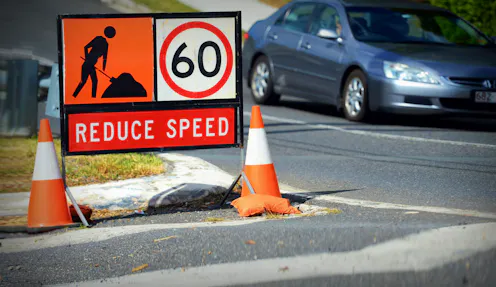
Our new research found Australia is spending $1 billion less on maintaining roads than we need – and the biggest reason for that gap is federal funding.
- Transport and Cities Program Director, Grattan Institute

Australia’s fuel tax credit scheme lacks a clear rationale or purpose. Reforming it can save the federal budget $4 billion a year.

Labor and the Coalition are promising $19 billion between them for transport projects – way down on the $163 billion promised in 2018 – but they’re as scornful of proper assessment processes as ever.
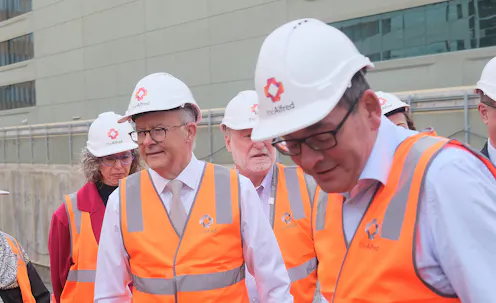
It’s easy to spot the similarities in how this first Labor budget and its Coalition predecessors approached transport projects. Their eye-watering spending isn’t supported by proper assessments.
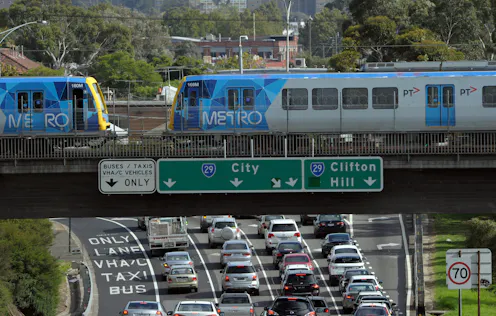
Labor and the Coalition are promising a lot in terms of transport, but most of the projects haven’t been assessed by Infrastructure Australia and are outside the federal government’s remit.
There’s more spending on small local projects, so does it follow that it’s ‘pork-barrelling’? A new report shows what really matters is if the money is allocated under objective, transparent criteria.
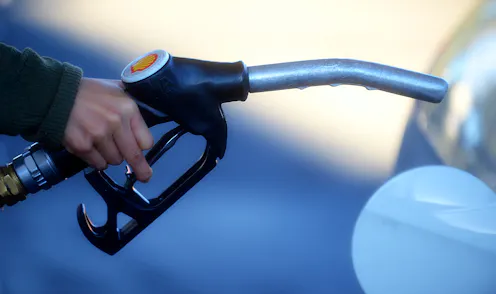
A steadily-tightening emissions car ceiling of the kind common in other countries could save drivers money and do the bulk of the work needed to reach Australia’s first emissions target.
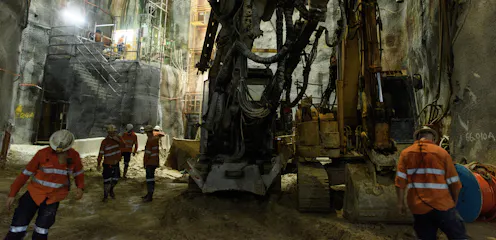
Politicians have committed billions to projects without knowing if those projects are in the community’s interest.
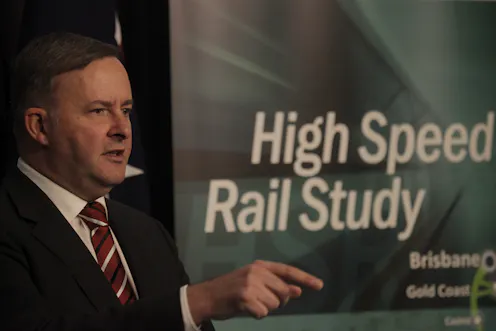
The federal opposition’s idea for a bullet train from Melbourne to Brisbane is not a good use of a generation’s worth of infrastructure spending. It won’t even work as an economic stimulus.
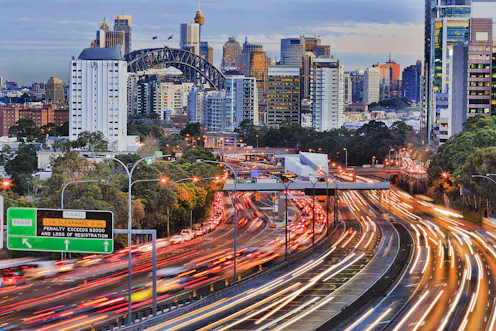
Commuters who drive to and from the CBD typically earn much more than most. Concerns about the fairness of charging drivers who use these busy roads at peak times are overblown.
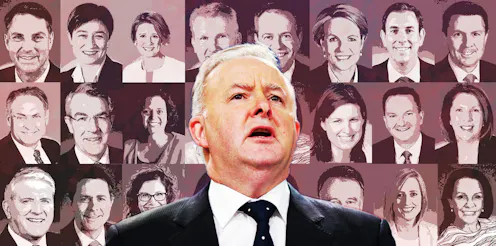
From Bill Shorten to Kristina Keneally, our experts break down Labor’s new shadow ministry – who’s in, who’s been promoted, and who faces the greatest challenges in their new roles
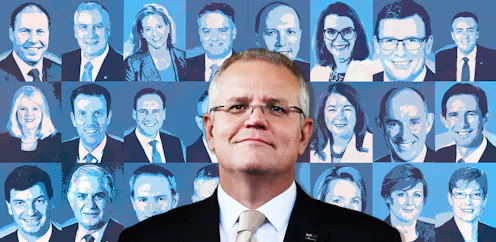
Scott Morrison’s new ministry includes a few new faces and several new roles for familiar cabinet members. Our experts take a closer look at each portfolio.
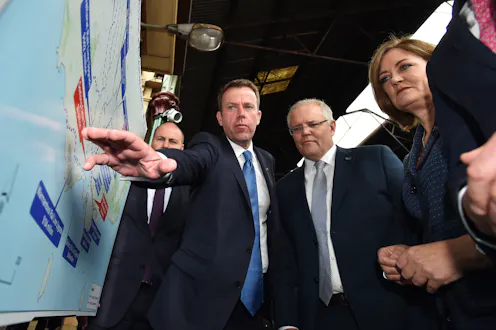
The Coalition’s infrastructure budgets over this term of government have been around the midpoint of government investment over the past decade. But how projects are chosen leaves a lot to be desired.
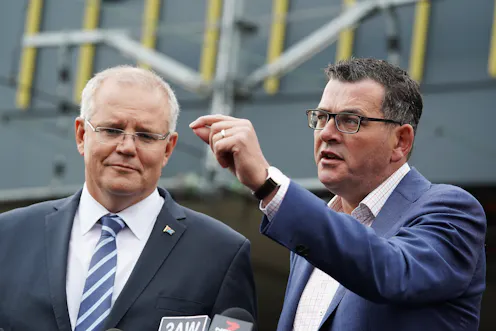
Despite boasts of ‘record’ infrastructure spending, relative to GDP it’s comparable to previous budgets. What’s different is that Treasurer Frydenberg has chanced his arm more over the longer term.

The major parties are promising projects costing tens of billions of dollars, with a surprisingly large overlap between them. Yet only two have been endorsed by infrastructure authorities.
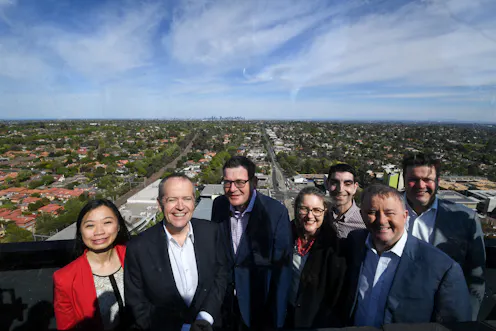
Whichever party wins, Victoria’s new government will have promised the biggest transport infrastructure project in Australian history. So what are the promises and are they backed by proper assessment?
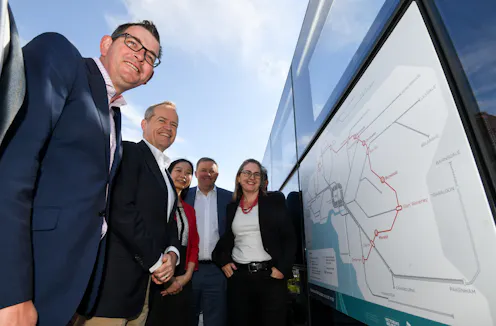
In the election bidding wars, parties commit billions to transport projects, often before all the work needed to justify these has been done. More cost-effective alternatives hardly get a look-in.
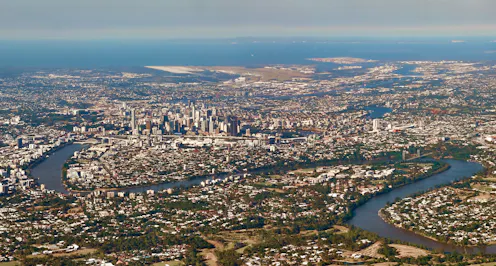
Urban growth has had much less impact on commuting distances and times than media reports would suggest. The explanations include jobs being widely dispersed and residents’ adaptable decision-making.
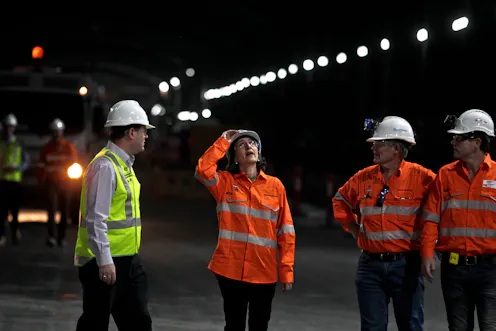
Despite a huge fall in interest rates, the federal government has been using the same rate to value prospective infrastructure projects since 1989.
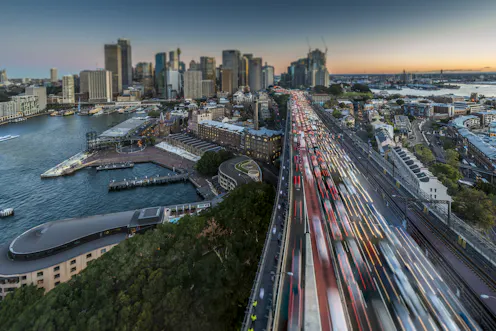
Traffic congestion is the main cost that cars create when they use existing roads. Road use charges are a more efficient and fairer way to cover the cost and help ensure traffic flows.
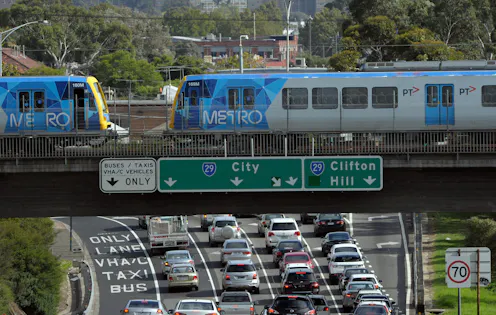
Instead of focusing on freeways, governments should change the way we pay for urban roads and public transport.
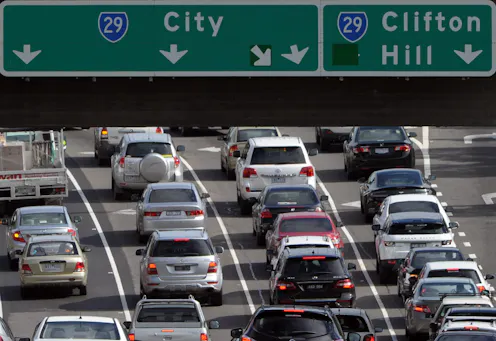
For Melbourne drivers who comfort themselves with the thought that traffic congestion is worse in Sydney, sorry but new analysis shows overall delays are similar, but some commutes are especially bad.
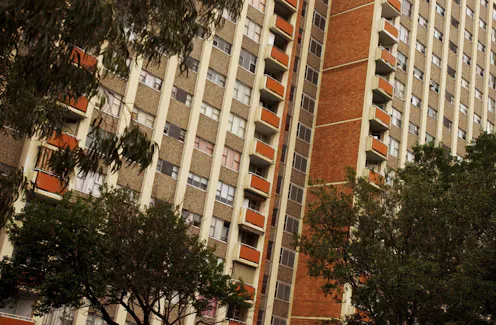
The federal government keeps coming up with new ways to finance infrastructure, but it isn’t clear they will shift the cost or risk away from government.
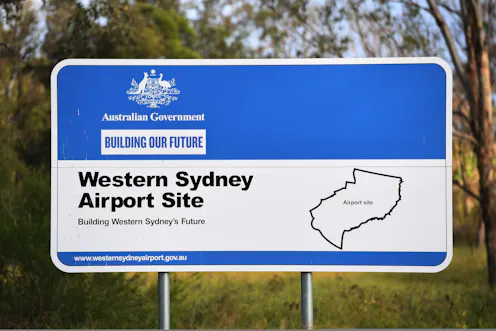
The Conversation’s economic experts react to the 2017-18 budget measures in the areas of living costs, economic management and infrastructure planning and investment.
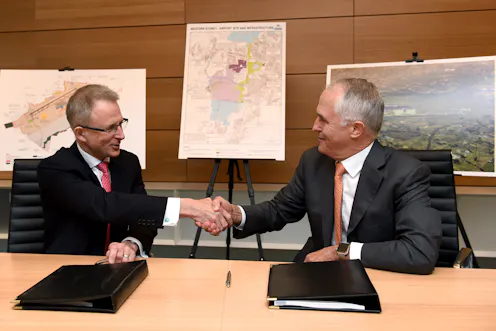
Consider these home truths: value capture is a tax, it would need to apply to the family home and deciding which areas it covers would be politically contentious. A broad-based land tax is simpler.
Contact Marion for
- General
- Media request
- Speaking request
- Consulting / Advising
- Research collaboration
- Research supervision
- Location: Melbourne, Australia
- X (formerly Twitter): @MarionTerrill
- Article Feed
- Joined
