
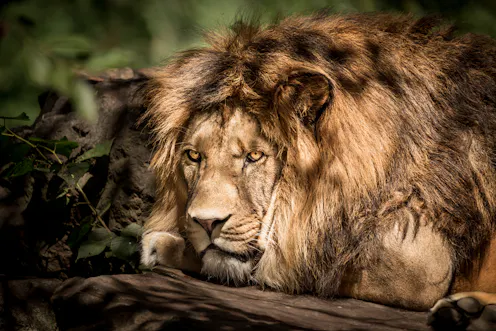
A growing body of research shows that COVID-19 protocols should be extended to areas in which there is a human-animal interface such as zoos, wildlife sanctuaries and game farms.
- Head: Zoonotic, Arbo and Respiratory Virus Programme, Professor, Department Medical Virology, University of Pretoria
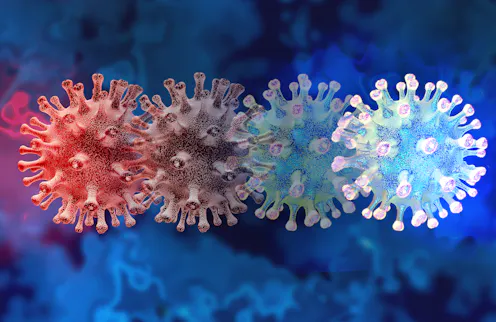
Une nouvelle lignée de SARS-CoV-2, B.1.1.529, a été identifiée. Baptisée Omicron par l’OMS, qui l’a catégorisé « préoccupant », ce variant a un profil génétique très différent des précédents.
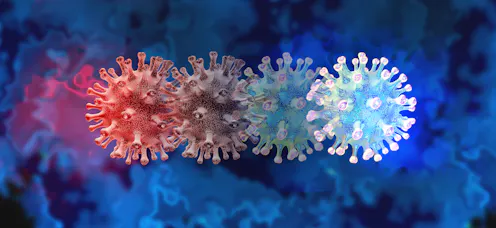
There’s a new COVID lineage called B.1.1.529. It has a genetic profile very different from other circulating variants
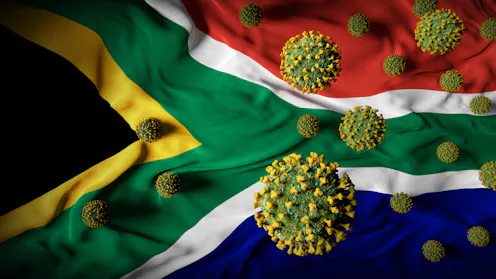
We are being cautious about the implications for vaccine efficacy and transmissibility while we gather more data to understand this lineage.
CC BY-NC-ND5.32 MB (download)
Thinking about getting the flu shot? This may help you decide.
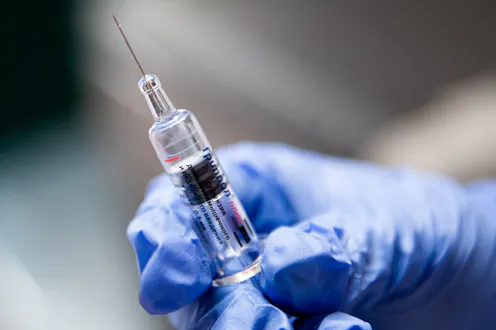
The flu vaccine will not protect you from getting COVID-19. But it will help avoid unnecessary doctors’ visits and protect vulnerable groups from potentially more severe disease.
Contact Marietjie for
- General
- Media request
- Speaking request
- Consulting / Advising
- Research collaboration
- Research supervision
- Article Feed
- ORCID
- Joined
