
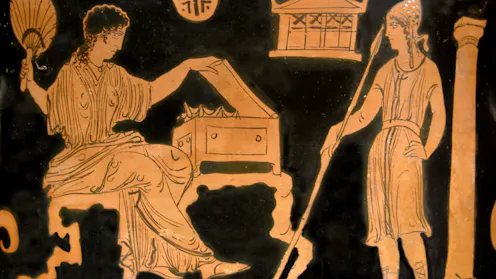
The stories of the Trojan War have been retold for millennia. Who are their key players and is there any truth to these tales?
- Honorary Professor of Classics and Ancient History, School of Historical and Philosophical Inquiry, The University of Queensland
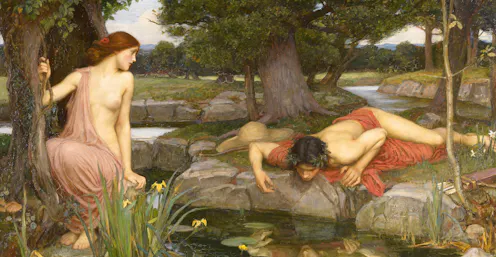
The myth of Narcissus – the beautiful youth who fell in love with his own reflection – has inspired poets, artists and psychoanalysts.
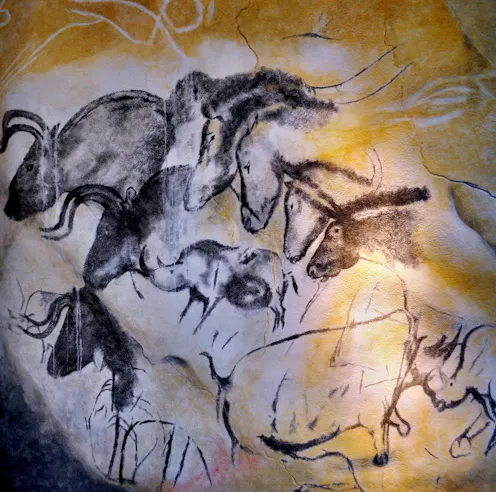
Martin Puchner’s engaging new history argues that every culture has its backstory of influences
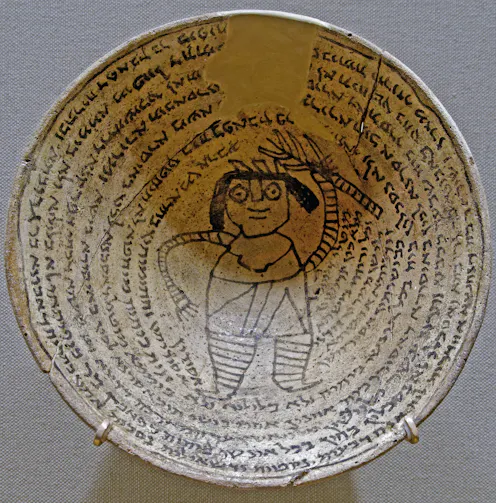
From snake-like creatures with claws to jealous virgin ghosts, female monsters have long been a part of women’s lore. Such figures were Intimately tied to childbirth, sexuality and child mortality.
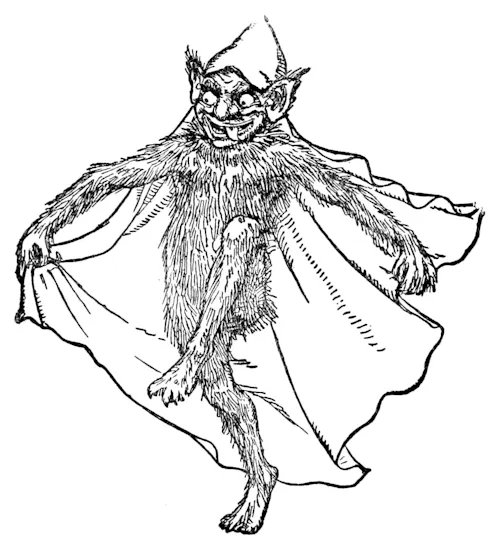
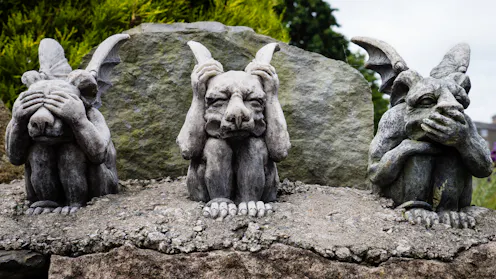
Like all members of the category of ‘fey’, or the beings of the preternatural world, including fairies, elves, and pixies, goblins are renowned for being tricksy. In other words, best avoided.
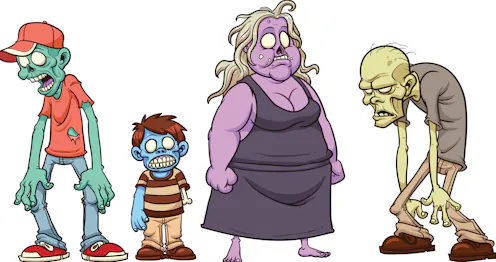
Le terme de « zombie » vient de la culture haïtienne et plus particulièrement de la religion vaudou.
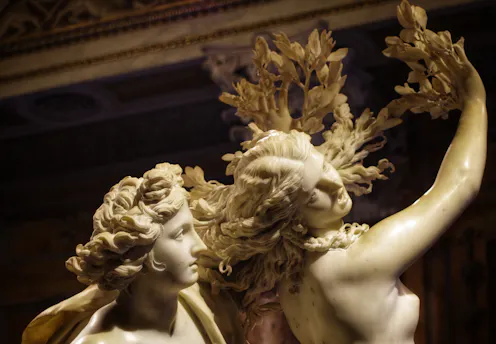
This ancient myth, in which a nymph transforms herself into a tree to escape the lustful attention of the god Apollo, has inspired countless retellings in art. Its themes resonate today.
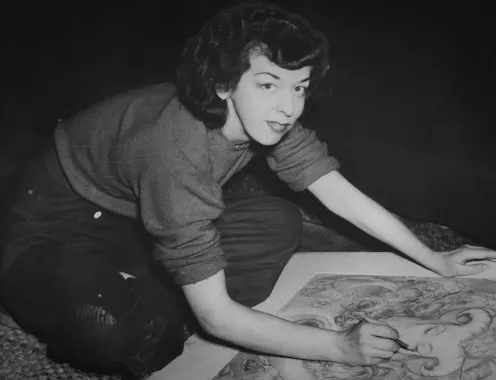
An artist and self-proclaimed witch, Rosaleen Norton defied cultural norms in Menzies-era Australia. Reviled by the media, she was a powerfully unconventional woman.

In Australia, between 1930 and 1950, women repeatedly stepped in to play the role of Santa. So the figure in the red suit could be gender neutral today.
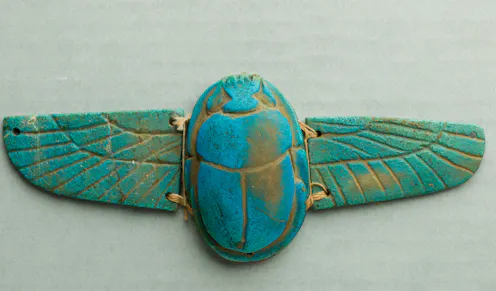
Believed to possess magical qualities, amulets were once widely used. They range from amber pendants worn during Denmark’s Mesolithic age to wind chimes found at Pompeii.
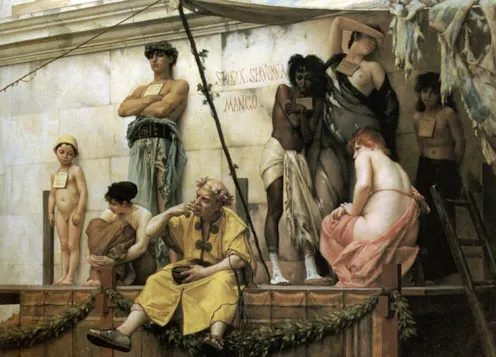
From a young age, Neaera was trained for the life of a hetaira, or courtesan. Her tragic story comes to us only through court documents, but she deserves to be remembered.
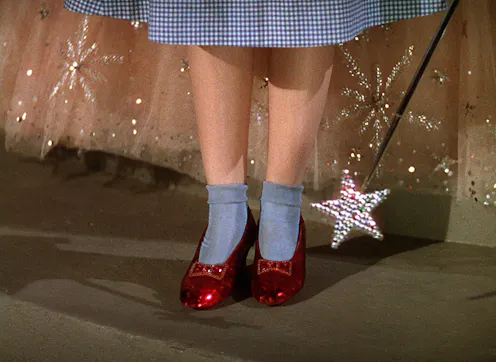
Dorothy’s slippers, worn by Judy Garland in The Wizard of Oz, have long been celebrated as a ‘queer object’. With one pair recently restored at a price of $300,000, do they deserve such adulation?
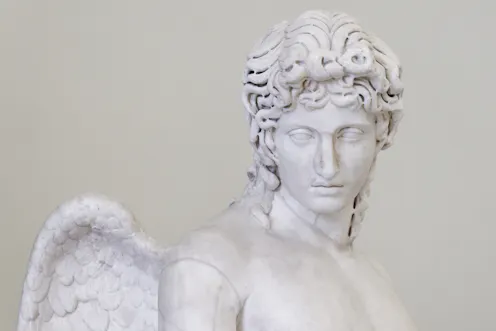
Erotic spells were a popular form of magic in ancient Greece and Rome. Ancient spells were often violent, brutal and without any sense of caution or remorse.

From injection of a morphine derivative to the administering of electric shocks, gay conversion therapy here has a painful legacy.
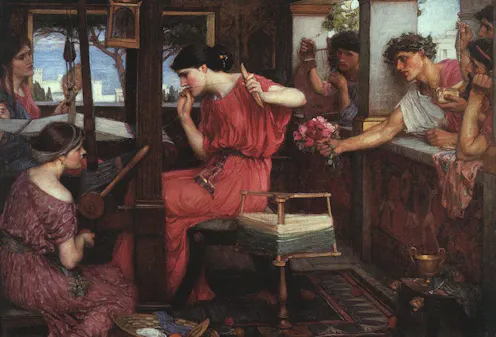
It may seem incredible that some 2,500 years since the Homeric epics, women are still silenced in public. But the myths of Archaic Greece resonate today in disturbing ways.
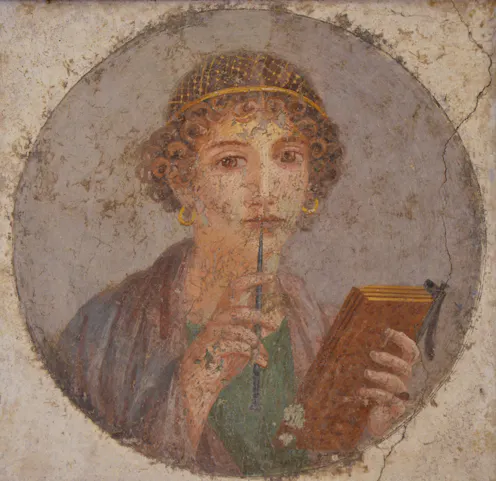
Sappho sang of desire, passion and love – mostly directed towards women. As new fragments of her work are found, a fuller picture of her is emerging, but she remains the most mysterious of ancient poets.
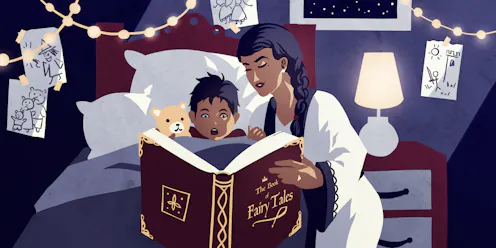
Why grown-ups still need fairy tales
The Conversation, CC BY22.8 MB (download)
We consciously and unconsciously tell fairy tales today, despite advances in logic and science. It’s as if there is something ingrained in us that compels us to see the world through this lens.
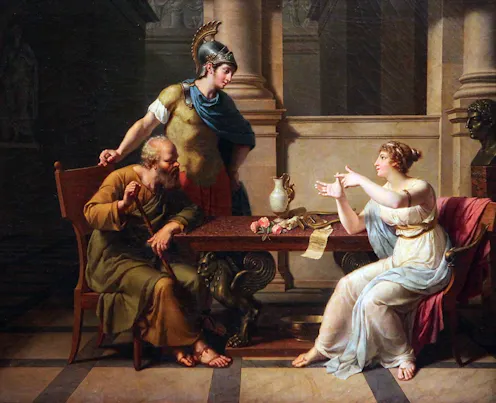
In Athenian society, it appears some elite courtesans were better educated than traditional wives. Other sex workers were sold into the role as children.
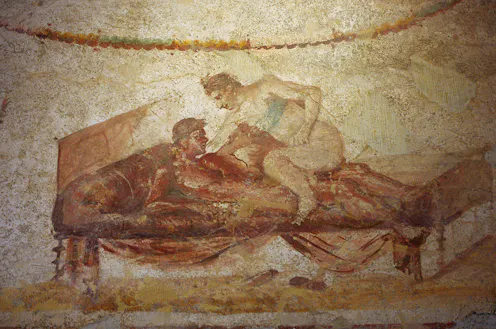
Though their activities were depicted alluringly in murals, the sex workers of Pompeii were slaves who lived hard lives.
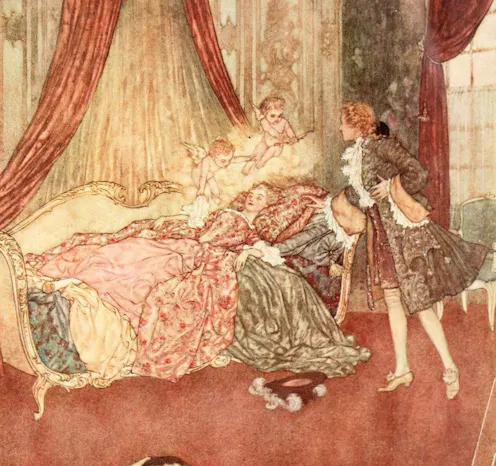
Fairy tales can be brutal, violent, sexual and laden with taboo. But they are are excellent narratives with which to think through a range of human experiences: from disappointment, and fear to envy and grief.

James, aged 8, of Sydney wants to know: are zombies real?
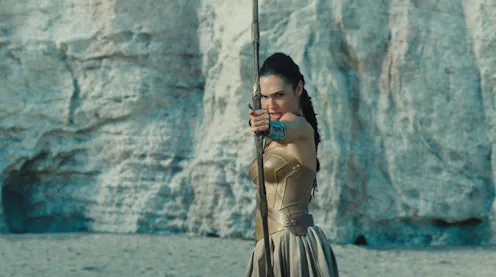
Since the epics of the Homeric poets, there have been tales of the mysterious, war-like Amazon women. The myth is likely based on the ‘strong, free’ women of the nomadic Scythian tribe.

What does it mean to be a witch today? And what is a ‘binding spell’ trying to achieve?
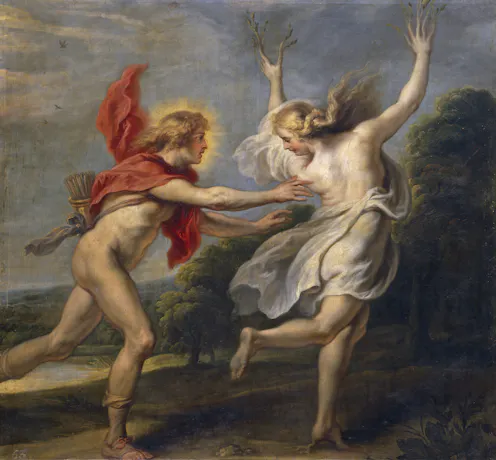
There are calls for Ovid’s Metamorphoses to be taught with a trigger warning. This 15-book epic is a rollercoaster of a read, with moments of both delicious joy and abject depravity. Like much great art, it was not created to please.
Scholars have long encountered skeletons in the academic closets of peers and intellectual heroes. But is there a point where a scholar’s behaviour is so taboo that their research should be consigned to the academic junk pile?
Contact Marguerite for
- Media request
- Speaking request
- Consulting / Advising
- Research collaboration
- Research supervision
- Website
- Article Feed
- Joined
