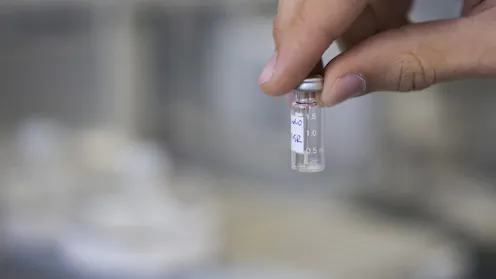
A Canadian privacy investigation has forced the World Anti-Doping Agency to restrict how it uses athletes’ data. A lab technician shows a sample to be tested for doping at the lab that did drug testing for the 2016 Olympic and Paralympic Games, in Rio de Janeiro, Brazil in 2015. (AP Photo/Felipe Dana)

How our research led to a privacy complaint that pushed the World Anti‑Doping Agency to change its rules

International sport organizations must stop ignoring athletes’ data protection rights when regulating sport, including eligibility in the women’s category
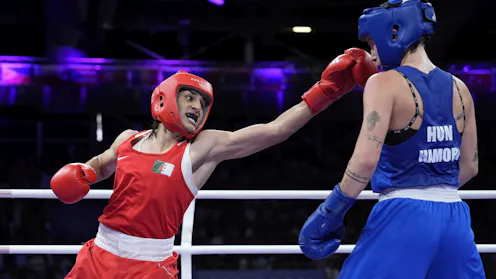
Algeria’s Imane Khelif hits Hungary’s Anna Hamori in their women’s 66kg quarterfinal boxing match at the 2024 Summer Olympics, on Aug. 3, 2024, in Paris, France, following a major controversy regarding her eligibility and gender despite being born female. (AP Photo/John Locher)

The return of sex testing in sport risks harming women athletes rather than protecting them

The IOC’s new policy mandating genetic sex testing is scientifically flawed, ethically problematic and legally questionable.

Enshrining and enforcing the status of a ‘protected class’ for children engaged in athletic work would be a major step toward achieving children’s rights in sport. (Shutterstock)

With Olympics approaching, it’s time to recognize children as a protected class in sport

With the Paris Olympics and the 35th anniversary of the UN Convention of the Rights of the Child approaching, now is the ideal time to focus on protecting the rights of child athletes.

Contact Marcus for

  • General
  • Media request
  • Speaking request
  • Consulting / Advising
  • Research collaboration
  • Research supervision