
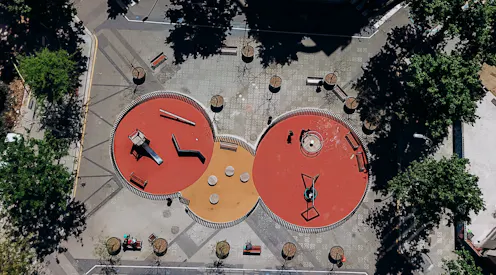
New Zealand tends to focus on big infrastructural projects such as tunnels or light rail to change cities. But there are cheaper ways to add public spaces to urban design.
- Professor of International Planning, Centre for Urban Research, RMIT University
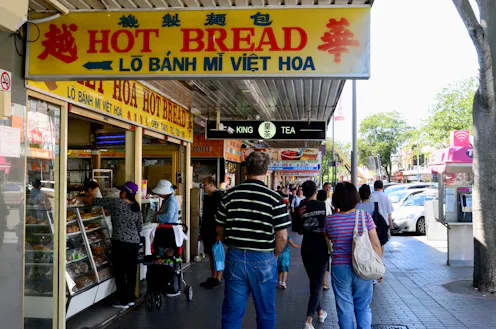
The shift from family migration towards skilled migrants changed settlement patterns in the first two decades of this century. But these skilled migrants still get paid less than non-migrants.
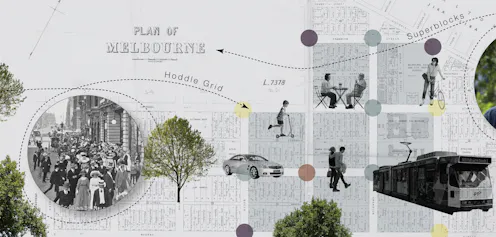
The Hoddle Grid that dictates the flow of vehicles and people in central Melbourne has had its day. It can be remade to reduce the dominance of cars and create a liveable city for the 21st century.
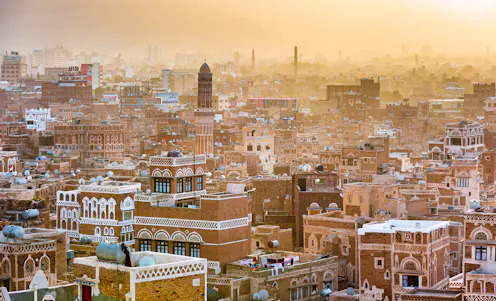
Naturalistic thinking has long helped humanity grapple with complex urban predicaments. What role can it play today?
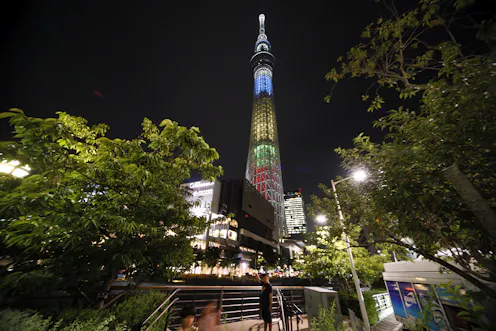
Athletes and spectators are likely to encounter dangerously hot temperatures when Tokyo hosts the 2020 Olympic games. With two years to go, there’s still time to take protective measures.
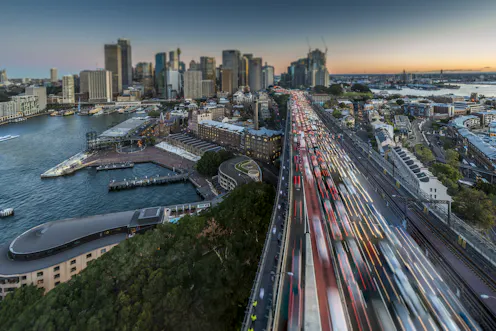
Planners have long tried to determine the ideal city size, and ideas have evolved with changing circumstances. But a good city depends more on the way it’s managed than on how many people it holds.
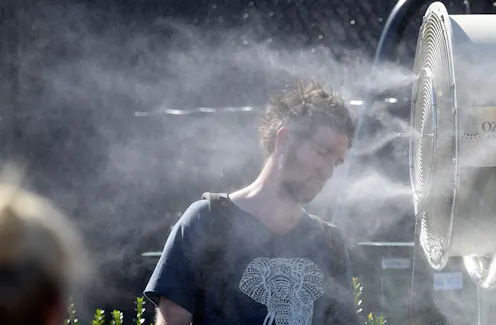
The urban heat island and summertime blackouts
The Conversation25.6 MB (download)
Today, we're asking why some of the most disadvantaged parts of our cities cop the worst of a heatwave and how you -- yes, you! -- can do your bit to reduce the risk of a summer time blackout.
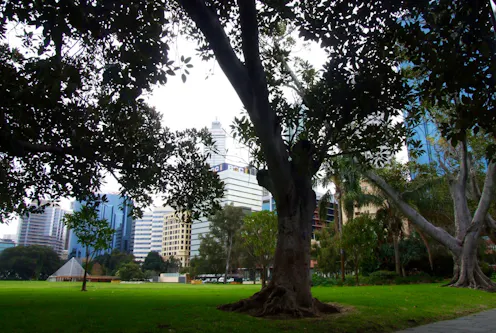
A new study shows major Australian cities are suffering an overall loss of green space –
although some areas are doing better than others.
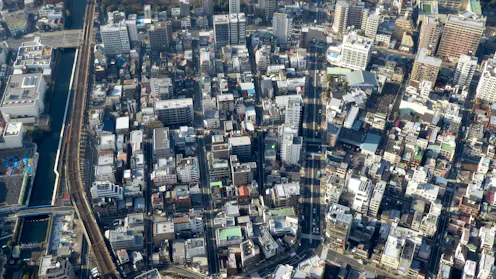
Tokyo has experienced extraordinary population growth but is among the world’s most liveable cities. Just how has it managed the pressures of growth?
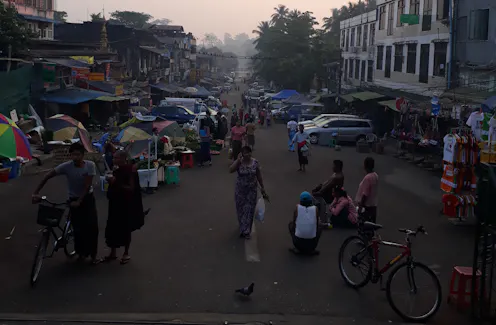
Yangon’s traffic woes are set to last.
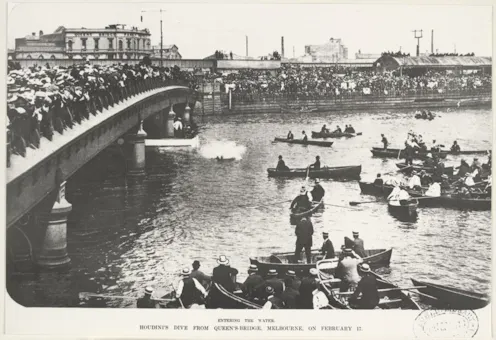
Why don’t more of Australia’s urban residents swim in city rivers? History provides a guide to reclaiming these important urban assets as public spaces.
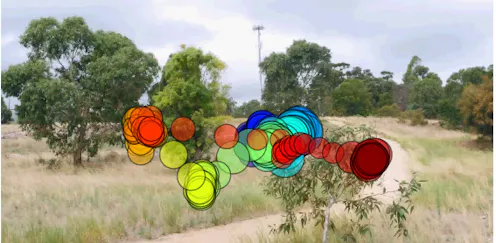
Eye-tracking technology helps us understand how people interact with their environment. This can improve policy and design, but can also be a tool for surveillance and control.
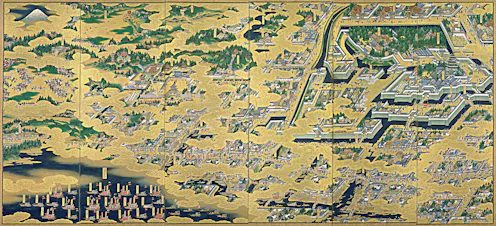
Edo, which gave rise to Tokyo, was also the world’s largest city three centuries ago. Facing ecological collapse, Edo developed a culture and practices that supported sustainable living.
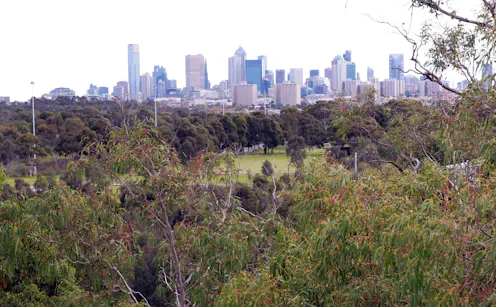
Achieving green cities will require more than just canopy cover targets and central city strategies. It will need new approaches to urban planning and development.

As consumption has soared and prices have fallen, the realities of industrial chicken farming often clash with the values of people who live on the urban fringes where broiler farms are sited.
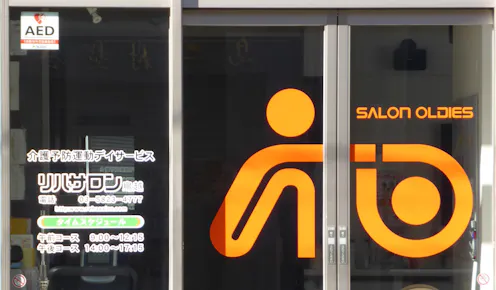
Japan’s ageing population is at the point that Australia is forecast to reach in 2056. The Japanese have had to develop new models of aged care in the community and we can learn a lot from them.
Contact Marco for
- General
- Media request
- Speaking request
- Consulting / Advising
- Research collaboration
- Research supervision
- Location: Melbourne, Australia
- Article Feed
- Joined
