

Millennials and boomers advising Biden can look for common ground on climate change, student loan debt and other key issues.
- Regents and Distinguished Professor of Environmental and Occupational Health, Texas A&M University

Older adults – despite their awareness of increased risk of COVID-19 – are not reporting more feelings of anxiety, anger or stress than younger age groups.
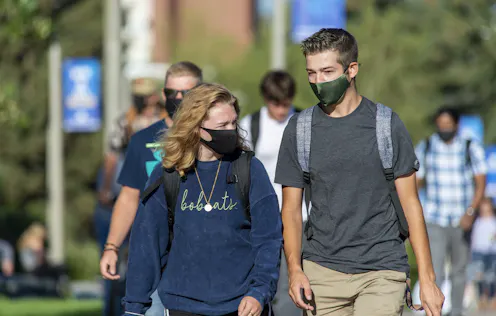
Universities have seen widespread COVID-19 outbreaks this fall. Now students are preparing to travel for the holiday, and public health officials are worried.
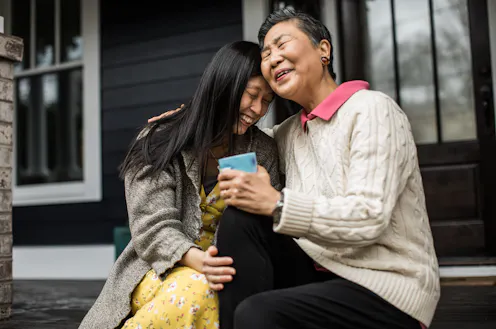
Americans 65 and older are living longer. The change toward longer old age in the U.S. will have profound effects on health care needs, families and what it means to be old.

Social distancing is leaving older Americans more isolated and opening them up to serious health risks.

As the population ages, a crisis could be in the making, with a severe shortage of caregivers for seniors over 80. Technology could provide some solutions.
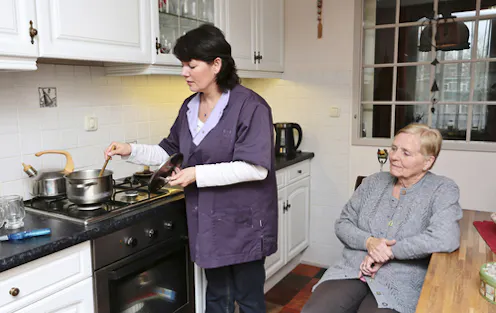
November is National Family Caregivers Month; did they get your attention? If not, you are not alone. Family caregivers are overlooked by the health care system, and they are burning out. Here’s why.

The age of the US is increasing, and with it, new expectations of health and happiness. Is the US prepared for the wave of baby boomers who will live long and want to be as healthy as they do?

The recent fall of Chief Justice John Roberts underscores that falls can happen to anyone. They are a major cause of disability in seniors - but there are some clearcut ways to prevent them.

Stripping away preexisting conditions coverage would have far-reaching effects, but 50- to 64-year-olds are most vulnerable. Ignoring medical issues at that age could mean sicker oldsters later on.

Most countries need to find a happy balance between the American attitude that all pain needs to be cured – and the ethos in other countries that pain is to be endured.
Contact Marcia for
- General
- Media request
- Speaking request
- Consulting / Advising
- Research collaboration
- Research supervision
- Location: College Station, Texas
- Website
- Article Feed
- ORCID
- Joined
