
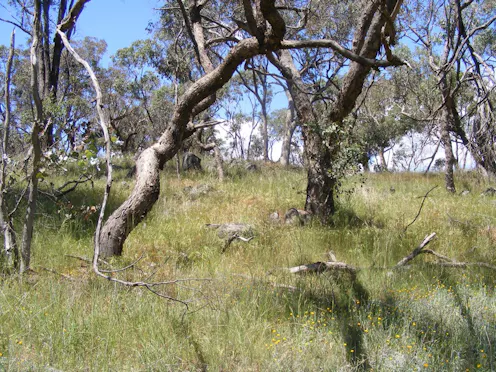
There are 85 ‘threatened ecological communities’ listed under Australian environment law. But unrealistic criteria means they’re not adequately protected.
- Lecturer in Ecology, University of New England
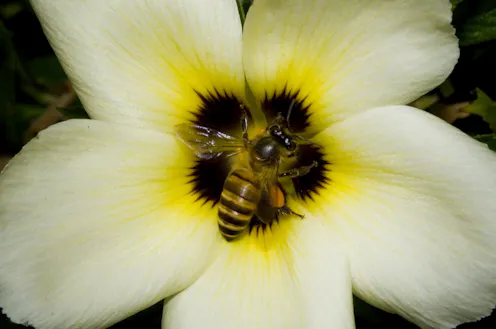
Bees innocuously buzzing ‘round the birdbath may be a barometer for burgeoning bee invasions.
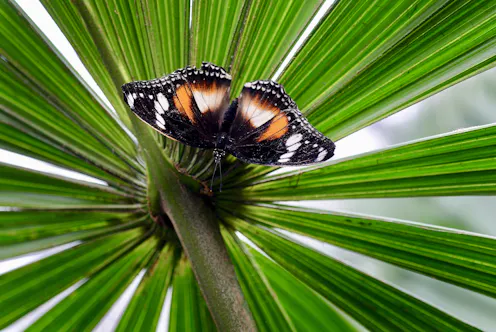
Insects are vital to sustaining life on Earth – and their numbers are falling fast. So consider ditching the fly spray and see what you can do to help.
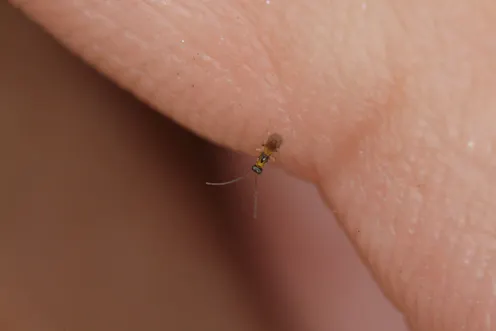
Tiny fairy wasps are so small they can lay their eggs inside other insects eggs, but they punch above their weight when it comes to keeping pests down.

Bees might not be able to survive inside a person’s eye, but they can be drawn to disgusting food sources.
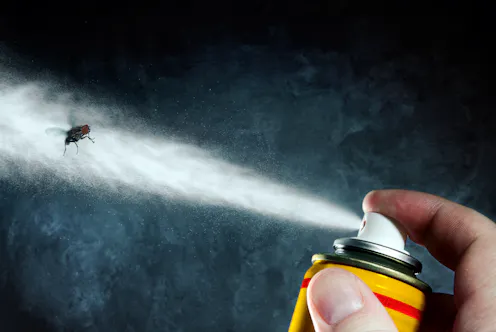
It’s easy to whip out the fly spray, but our fondness for pesticides can bring knock-on effects such as increased resistance, and harming beneficial insects in and around our homes.
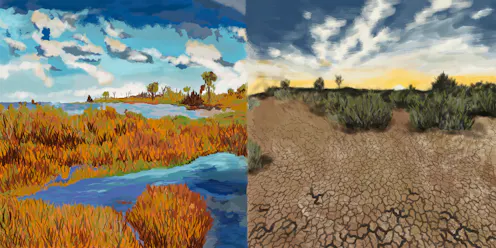
Wetlands in Australia are often dry. They may look unassuming but it’s a vital part of their vibrant lifecycle.
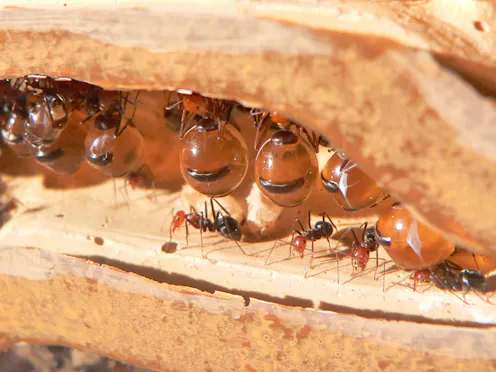
Honey might be synonymous with bees, but they’re not the only insects that come up with the goods.
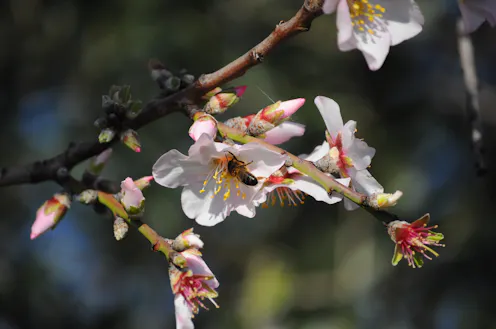
Many fruits, nuts and other crops rely on bees to pollinate their flowers at just the right time of year. Many farmers rent bees to get the job done at pollination time.
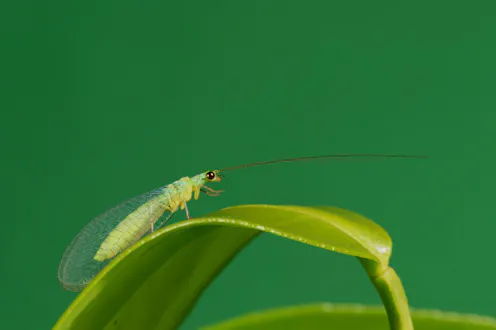
Not all bugs are bad! Put down the pesticides and get to know the predators and parasites hidden around you.
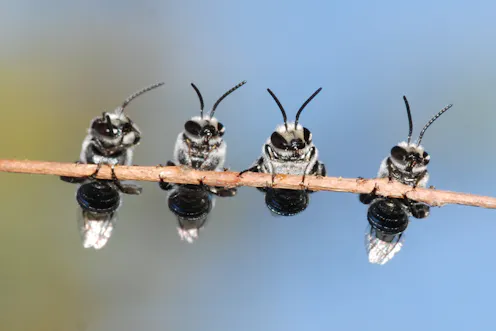
Whether you live in an urban apartment or a rural homestead, your outdoor area is more than just a private space. It’s a thriving ecosystem.
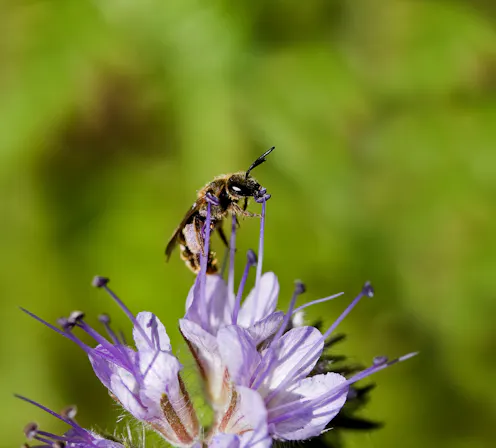
Two new studies have linked controversial pesticides neonicotinoides to wild bee and butterfly declines.
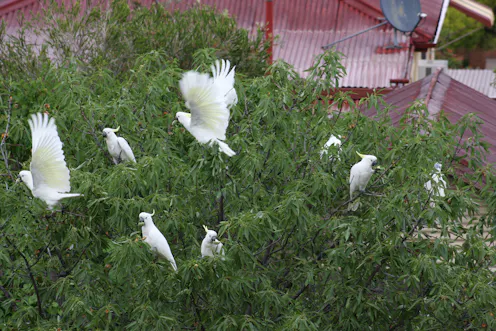
It’s hard to keep wild animals out of farms. Birds, mammals and insects all affect crop yields, in positive ways (such as flies pollinating flowers) and negative ones (such as when birds damage fruit…
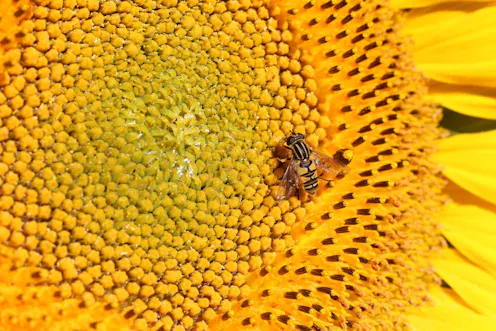
Next time you reach for the honey, spare a thought for the other vital insects that pollinate our crops.
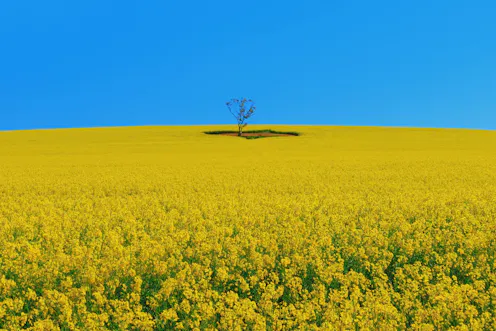
Monocultures - vast expanses of a single crop - may look pretty, but mounting research shows they are likely bad for environment. And in turn that’s bad news for farms as well.

The phrase “scientific evidence” has become part of the vernacular – thrown about like a hot potato during discussions of major environmental, health or social issues. Climate change is one example. The…
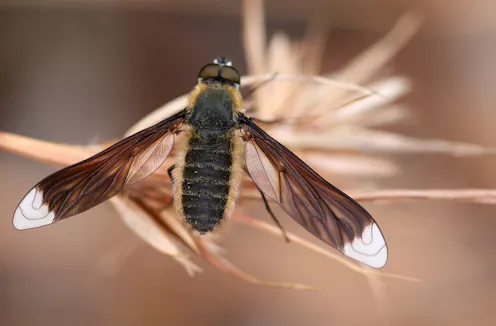
News that the European Union (EU) has restricted the use of neonicotinoid insecticides was welcomed by scientists, farmers, beekeepers and politicians around the world. But the limitations of the restriction…
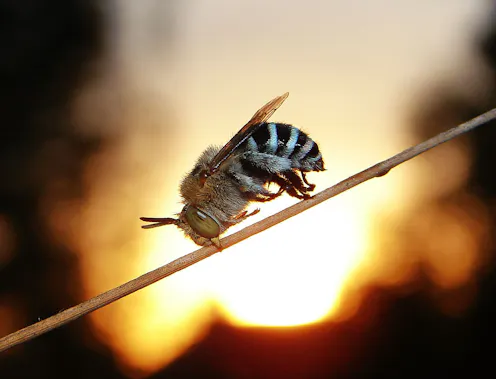
Honeybees are in trouble - a stressful lifestyle and an unhealthy diet are being compounded by mite attacks - but we needn’t panic about pollination. Australia has many native bee (and other pollinator…

Late last year, the media reported the surprising results of an ANU poll. Apparently Australians are “more interested in science than sport”! But the really interesting news was a small clarification in…
Contact Manu for
- General
- Media request
- Consulting / Advising
- Research collaboration
- Research supervision
- Location: Armidale, NSW
- Website
- X (formerly Twitter): @ManuSaunders
- Article Feed
- ORCID
- Joined
