
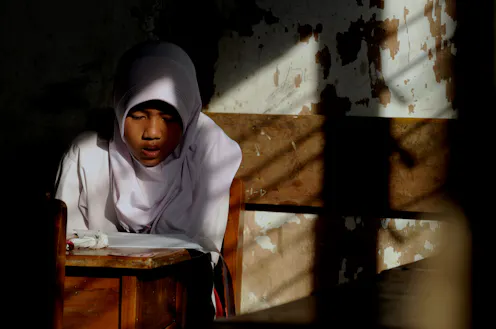
Indonesia bisa jadi model yang baik bagi pemerintah Taliban terkait bagaimana suatu negara mayoritas Muslim maupun organisasi keagamaan dapat memperluas akses pendidikan bagi anak perempuan.
- Professor of Development Economics, Monash University
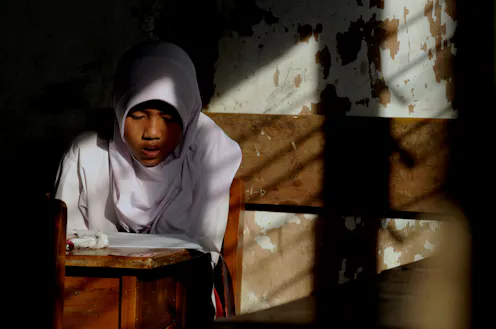
Indonesia can serve as an important model for the Taliban of how Muslim nations and faith-based organisations can play a big role in expanding girls’ education.

After the pandemic, South Asian governments must spend money on making public services work, rather than relying on GDP growth to pull people out of poverty.
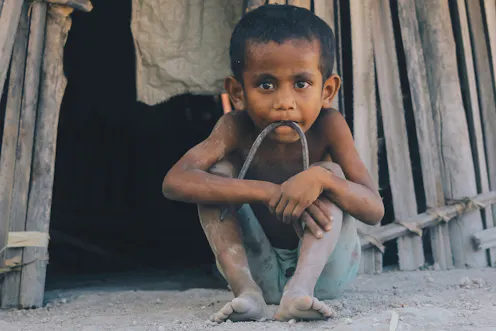
Bappenas conducted a simulation to predict how COVID-19 will impact poverty in Indonesia. Without intervention, the pandemic will drag at least 3.6 million Indonesians into poverty by the end of 2020.
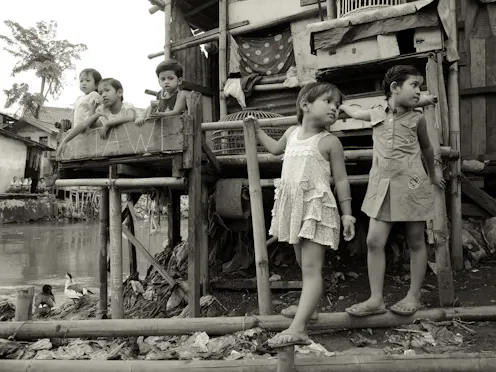
COVID19 threatens to reverse years of Indonesia’s positive trends in poverty alleviation. We highlight lessons from past policies to prevent another poverty hike during the pandemic.
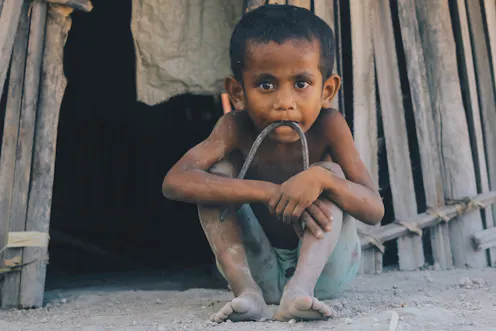
BAPPENAS melakukan simulasi untuk memproyeksikan dampak COVID19 terhadap kemiskinan di Indonesia. Tanpa intervensi, pandemi ini akan membuat setidaknya 3.6 juta penduduk jatuh miskin.
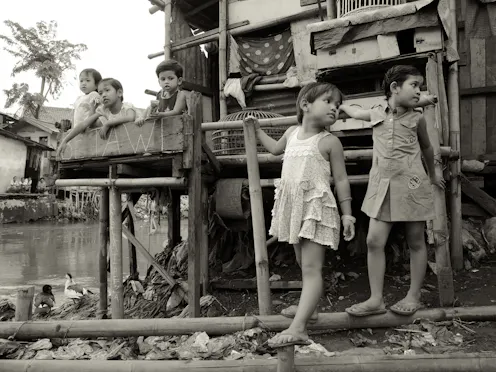
COVID19 dapat membalikkan tren positif puluhan tahun penuntasan kemiskinan di Indonesia. Terdapat beberapa pelajaran dari kebijakan terdahulu untuk meredam kenaikan angka kemiskinan selama pandemi.

Pendidikan di Indonesia mudah diakses perempuan, tapi kurikulum dan materi ajar masih diskriminatif.

Indonesian textbooks represent gender equality better than their South Asian counterparts, but our analysis shows portrayals of women are still biased.
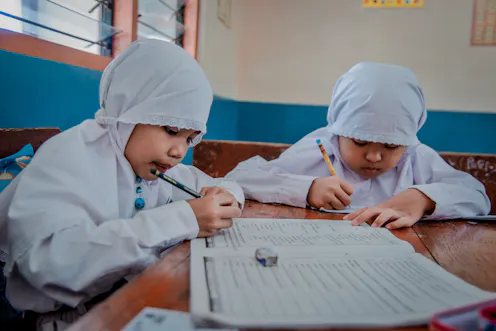
Riset menemukan bahwa rumah tangga miskin lebih memprioritaskan pendidikan mahal untuk anak laki-laki, sementara anak perempuan dikirmkan ke madrasah yang murah. Kenapa?
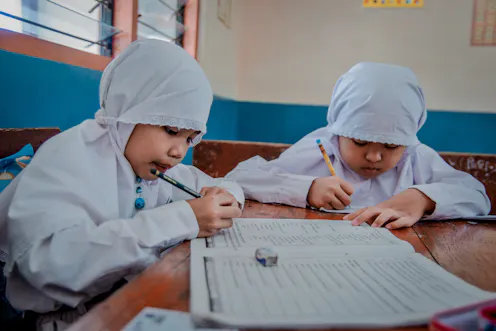
Research finds that poor households in rural Indonesia tend to prioritise high-cost schooling options for sons, while sending daughters to under-resourced Islamic schools. Why is this the case?
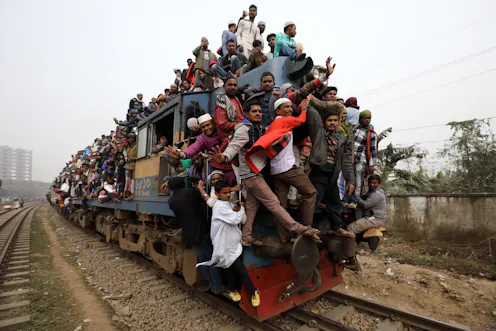
Research suggests the government’s dismantling of democracy could cost the country dear.
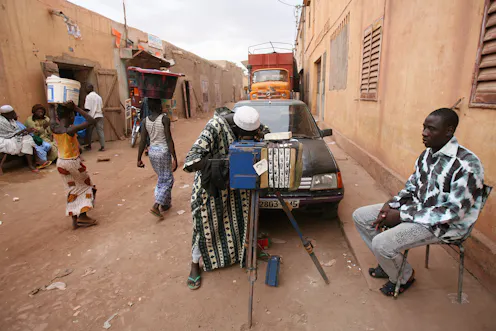
Countries with effective governments have reduced income poverty by almost twice the speed.
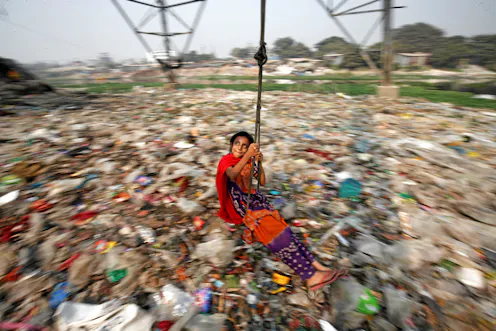
Bangladesh is a global poster child when it comes to improving women’s status in the developing and the Muslim worlds. But a recent amendment to the country’s marriage law threatens its progress.

Jeffrey Sachs wants to press governments to follow through on their promises.
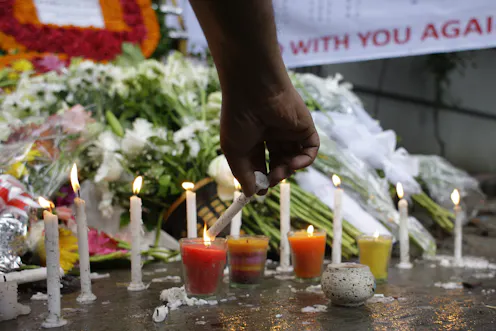
If the government is serious about tackling terrorism, politicisation and increased surveillance in private schools and universities will not be enough.
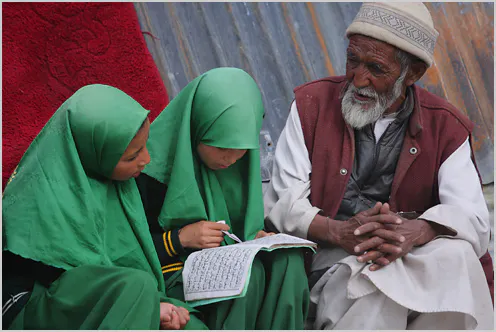
Muslim countries worldwide have problems with gender equality. They dominate the bottom ten countries in the Global Gender Gap Report and none of the ten most successful countries offering equal opportunities…
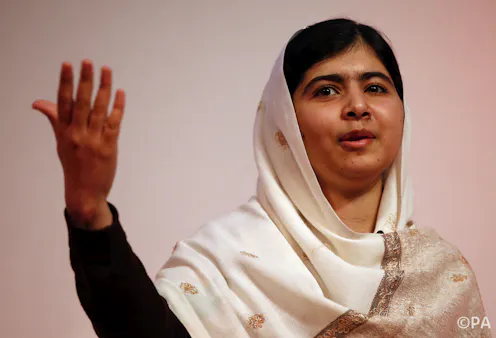
In a celebration of the rights of children, the 2014 Nobel Prize for Peace has been awarded to Malala Yousafzai, shot by the Taliban for going to school in Pakistan, and Kailash Satyarthi, who has been…
Contact M for
- General
- Media request
- Speaking request
- Consulting / Advising
- Research collaboration
- Research supervision
- Location: Kuala Lumpur, Malaysia
- Website
- Facebook: https://www.facebook.com/niaz.asadullah
- LinkedIn: https://www.linkedin.com/in/niaz-asadullah-30916b7/
- X (formerly Twitter): @Niaz_Asadullah
- Article Feed
- ORCID
- Joined
