
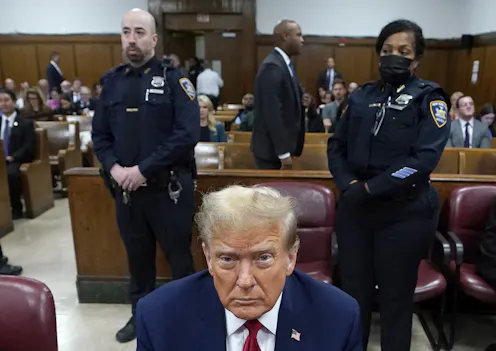
While the First Amendment protects a wide range of different kinds of speech, there is no fundamental right to cause harm.
- Professor Emeritus of Communication and Rhetorical Studies, Syracuse University

Florida and Texas sought to prevent social media companies from deciding which posts can be promoted, demoted or blocked. The Supreme Court said the tech companies can moderate as they please.
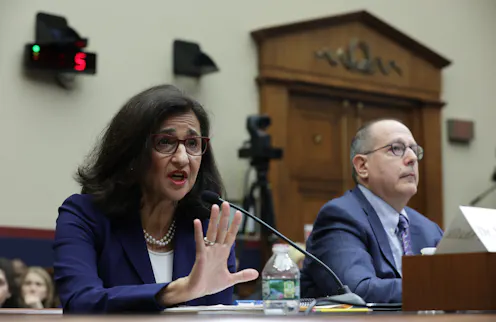
A rhetoric scholar says Columbia University President Nemat Shafik fared much better than her predecessors at a hearing about how her school was handling antisemitism on campus.
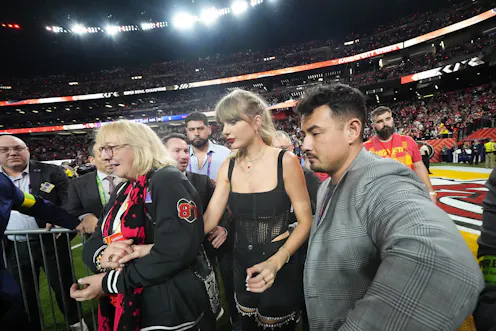
A college junior who has gained a following by sharing high-profile people’s private flight information says that he is sharing public information. Others, like Taylor Swift, say that he is stalking.
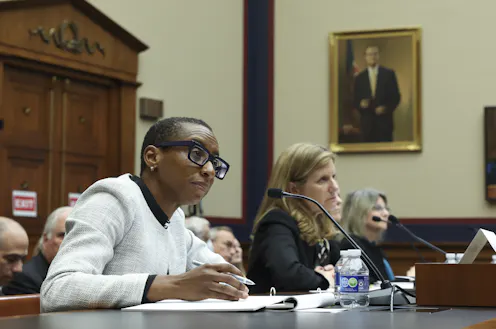
University codes of conduct support their mission to educate. But it’s not easy to balance those codes with the values of free speech, as the resignation of a prominent university president shows.
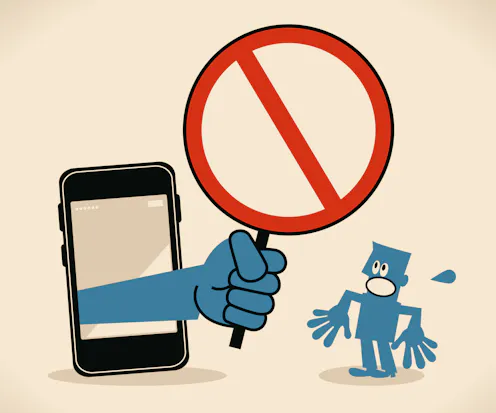
The Supreme Court will hear five cases this term that will examine the nature of online discussion spaces run by social media platforms.
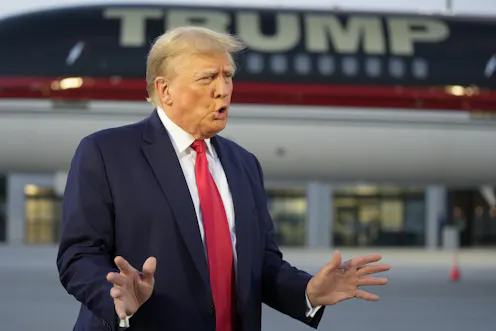
Trump has not been silenced. The limits on his speech protect fundamental rights − including his right to a fair trial by an unbiased jury and the public’s right to a working justice system.
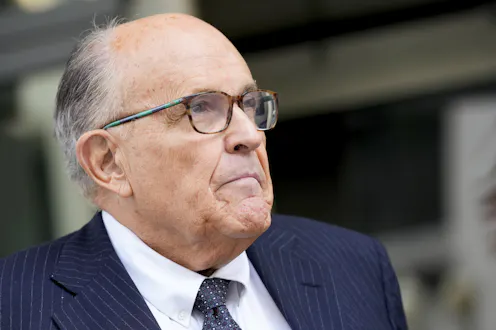
To what degree can the First Amendment be used to protect someone from the consequences of lying?
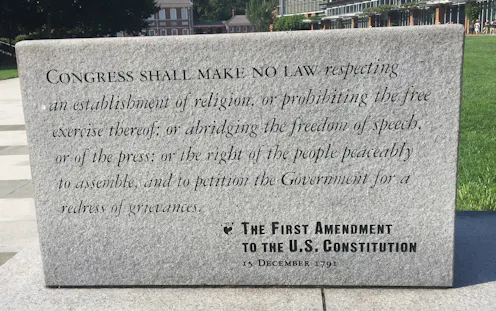
‘Congress shall make no law … abridging the freedom of speech.’ It’s often misunderstood, by many Americans. A constitutional scholar explains what it really boils down to.
Contact Lynn for
- General
- Media request
- Speaking request
- Consulting / Advising
- Research collaboration
- Research supervision
- Location: Syracuse, New York, U.S.
- Website
- Article Feed
- Joined
