
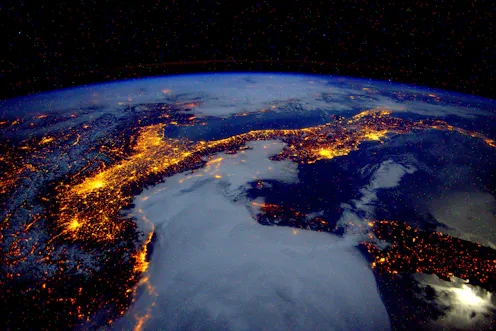
The risks of using aerosols to reflect sunlight and cool the planet include creating extreme weather and worsening catastrophes.
- Postdoctoral Research Associate in Existential Risk, University of Cambridge

The US mustn’t make the mistake of tackling these threats separately – or of trying to take a unilateral approach.
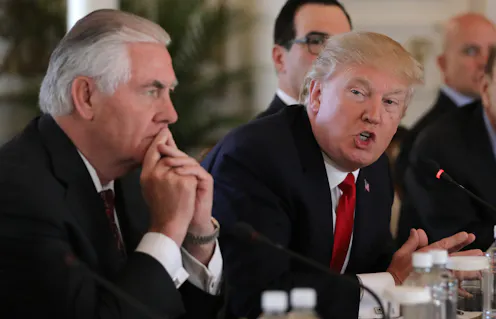
If the US stays in the Paris deal but misses its targets, the deal could look like a sham. But if Trump carries out his threat to withdraw, the US veto would be gone, and other nations might step up.
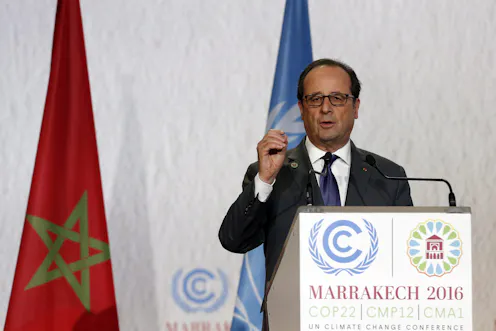
The latest climate summit began the long slog towards putting the Paris Agreement into action. But it generated more questions than answers, particularly on how to handle a Trump-led United States.
November 9 will likely become the day that the Paris Agreement died, but not when the goal of limiting warming to 2°C slipped out of reach.
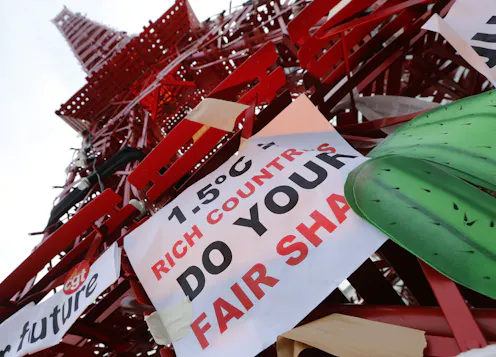
Experts agree that a new era for climate policy here. But the hard work starts now.
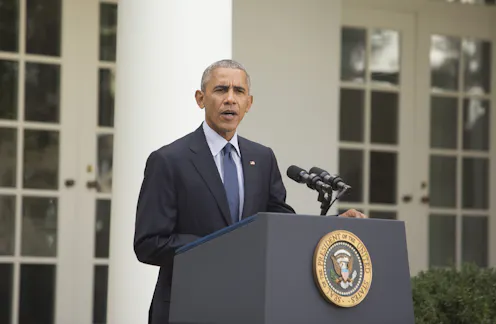
The Paris Agreement will come into force on November 4. Will Australia be part of the pack?
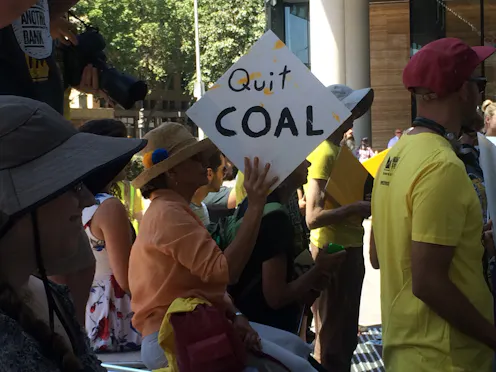
The pressure for organisations to divest from fossil fuels is coming from institutions with relatively little financial clout. But soon the richest and most powerful will have no choice but to join in.
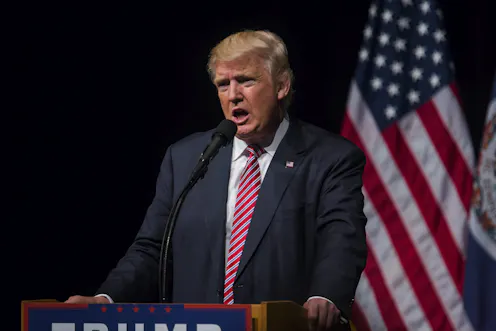
US involvement in the Paris Agreement depends on the president – so what happens when the president changes?
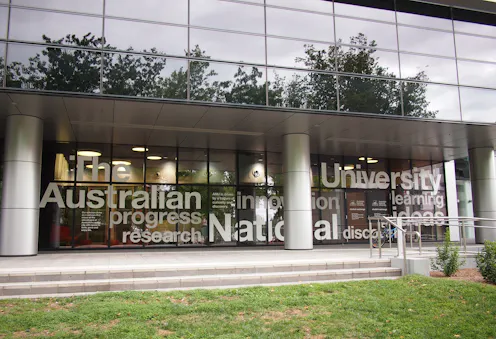
The Paris climate deal has supposedly sent a signal to the wider world that now is the time to pull out of fossil fuel investments. Universities can set the pace – but they need to do more.
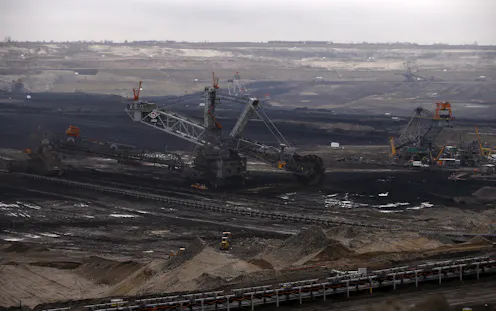
The Paris climate agreement doesn’t specifically address cutting down on coal, but the tide is turning against coal mining anyway.
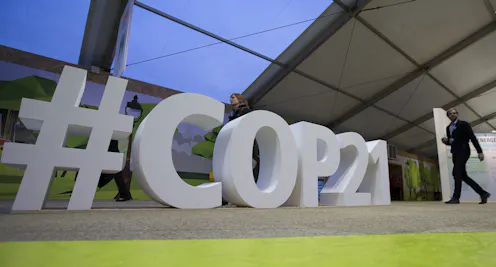
At the halfway mark in the Paris climate talks, progress is still frustratingly slow as the negotiations risk falling prey to old stalling tactics.
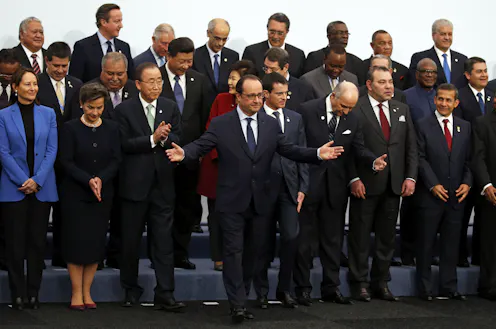
The sooner nations stop viewing emissions reduction as a burden to be shared, and more as an opportunity to be grasped, the sooner real climate progress will be achieved.
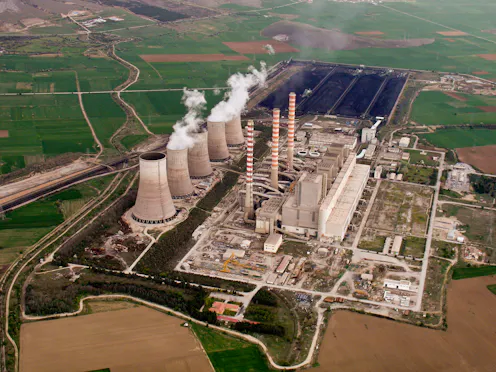
What does the OECD’s decision to limit finance for coal power stations mean for coal producers such as Australia?
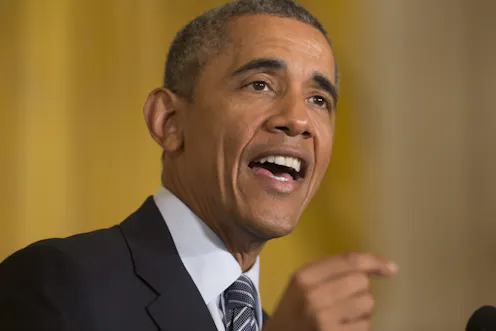
Much has been made of the domestic political roadblocks between US President Barack Obama and climate action. But by using existing treaties he can get around the hostile Congress and help cut global emissions.
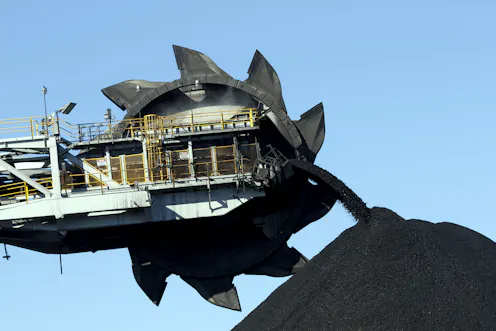
Economic studies on the costs of climate action share a common message: action on climate change is cheap, and delaying it will be costly.
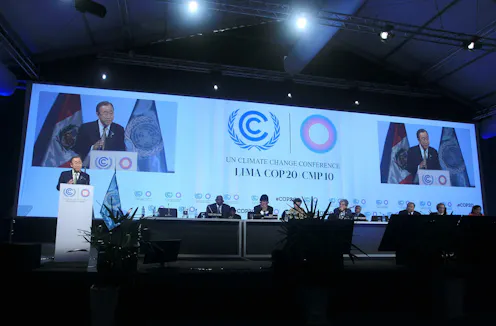
Could the preoccupation with legally binding targets sink the next climate deal in Paris in 2015? In the run-up to this week’s Lima talks, widely seen as a precursor to the Paris summit, the Abbott government…
Do we need a climate treaty, or could a simple political deal based on national pledges work just as well? Conventional wisdom suggests that the only international climate deal worth having is one that…
Anyone who has watched in frustration as the United Nations repeatedly failed to secure a meaningful climate treaty could be forgiven for taking a rather glum view on this weekend’s report by the Intergovernmental…
The latest climate negotiations in Bonn have been stalled for two full weeks and climate multilateralism is in crisis mode leading up to the next major gathering in 2015. So, what is the problem? There…
It looks as though everyone will be happy to sign the next global climate agreement, due in 2015. Why? Because there will be very little in the agreement that will force countries to act on climate change…
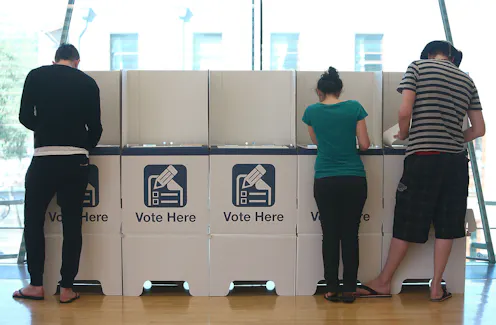
An ageing population is a threat to not just the Australian economy, but also our political system. In The Republic, Plato wrote: “it is for the elder man to rule and for the younger to submit”. This concept…
Contact Luke for
- General
- Media request
- Speaking request
- Consulting / Advising
- Research collaboration
- Research supervision
- Location: Cambridge, UK
- Website
- X (formerly Twitter): @lukakemp
- Article Feed
- Joined
