
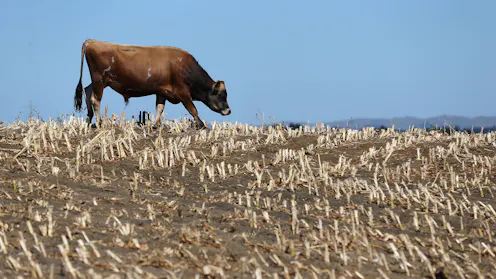
Analysis reveals some of NZ’s worst droughts occurred before 1950 – meaning recent experience may not reflect the full scale of future risk in a warming climate.
- Senior Lecturer in Climate Change, University of Waikato
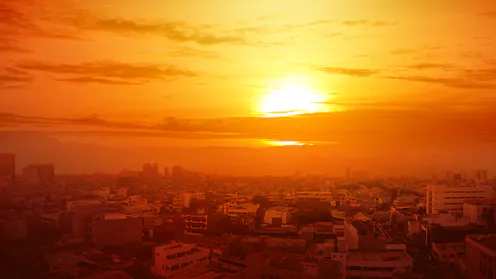
Extreme heat already kills millions. New research shows how today’s emissions choices will determine how many more may face dangerous heatwaves this century.
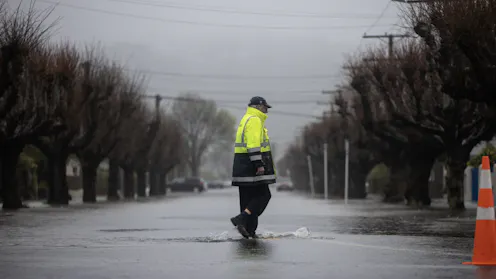
New models show NZ’s heaviest rainfall is likely to grow more intense and frequent, with some regions facing twice as many extreme events by 2100.
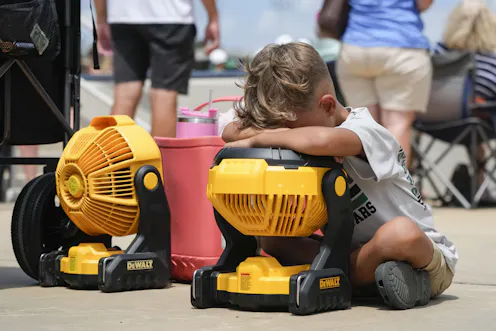
Middle-aged people in equatorial regions have lived through the most perceptible warming in their lifetimes. But many others may experience unrecognisable changes in their local climate later in life.
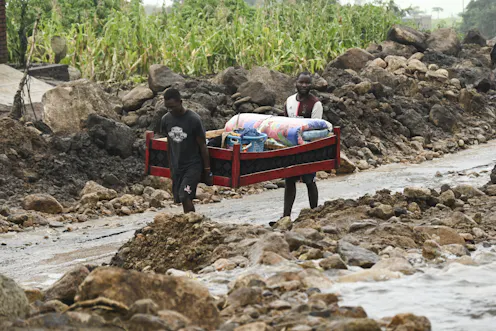
Extreme weather events are complex – and working out exactly how much damage climate change caused is a tricky task.
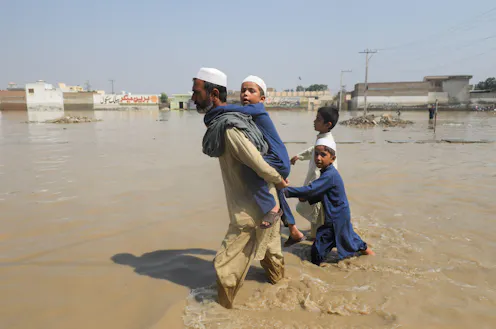
There are three key ways climate change probably made these floods worse.
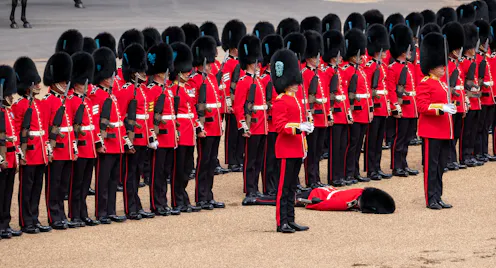
Global heating may be making the weather systems behind heatwaves more common in Europe.
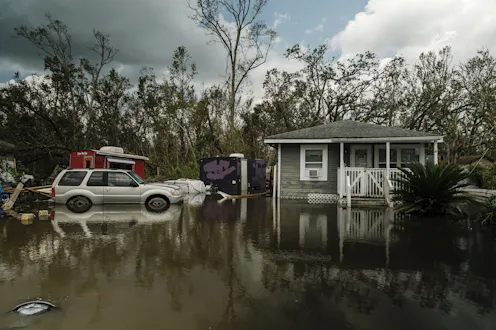
Rapid attribution studies reveal climate change’s influence on the weather, but they’re expensive and time-consuming.
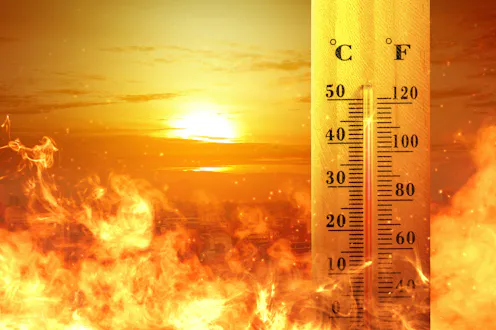
Las olas de calor extremo no se vigilan sistemáticamente en la mayoría de los países del África subsahariana. Esto provoca muertes innecesarias y prematuras que a menudo ni siquiera se registran.
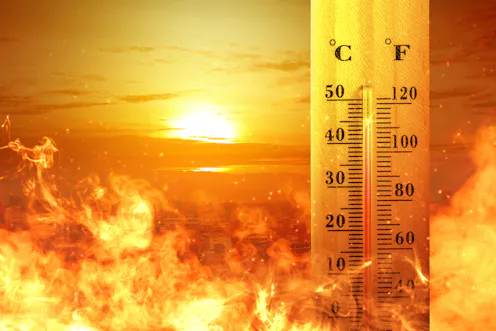
Extreme heatwaves aren’t systematically monitored in most countries in sub-Saharan Africa. This leads to unnecessary and premature deaths which are often unrecorded.

Global warming will be most noticeable where the weather doesn’t normally vary much, such as the tropics. But these places are also home to many of the world’s poorest and least culpable nations.
Contact Luke for
- General
- Media request
- Speaking request
- Consulting / Advising
- Research collaboration
- Research supervision
- Location: Hamilton, New Zealand
- X (formerly Twitter): @harrinluke
- Article Feed
- ORCID
- Joined
