
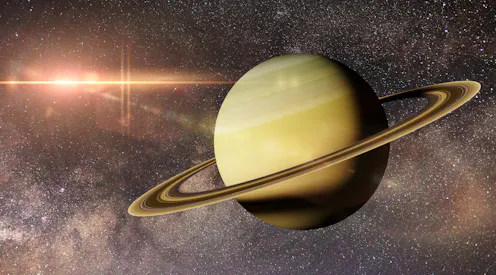
On pense qu’il y a plusieurs millions d’années, Saturne n’avait pas d’anneaux. À leur place, une grosse lune se déplaçait autour d’elle. Finalement, la lune a éclaté et s’est brisée en morceaux.
- Program Manager / Adjunct Research Fellow, Swinburne University of Technology
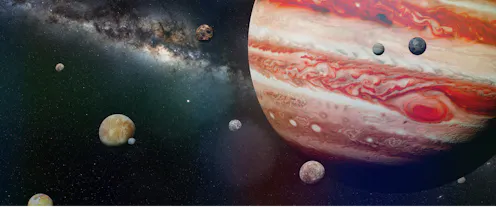
The biggest storm on Jupiter is so big it could swallow all of Earth. But it’s now shrinking, and we’re not sure what that means.
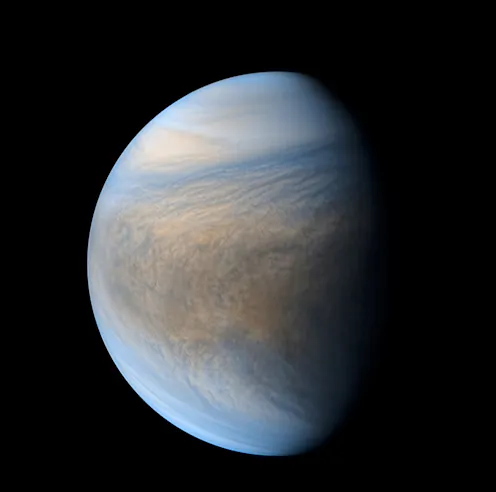
The discovery of phosphine in the acidic clouds of Venus can’t be explained by any known chemical or geological processes.
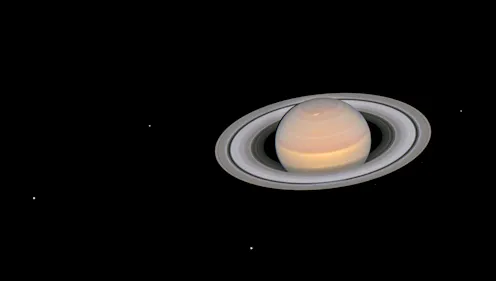
Astronomers have found 20 new moons around Saturn, and will keep finding more as technology improves.
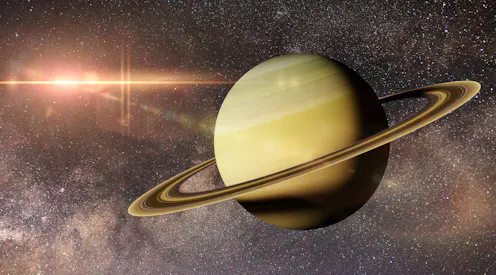
Most people think that many millions of years ago, Saturn didn’t have rings at all. Instead, it had a big moon moving around it. Eventually, the moon burst and broke into pieces.
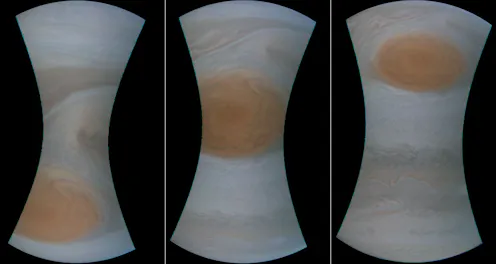
The images are in from the Juno probe’s closest flyby so far of Jupiter’s Great Red Spot. Citizen scientists are now getting involved in processing those images.
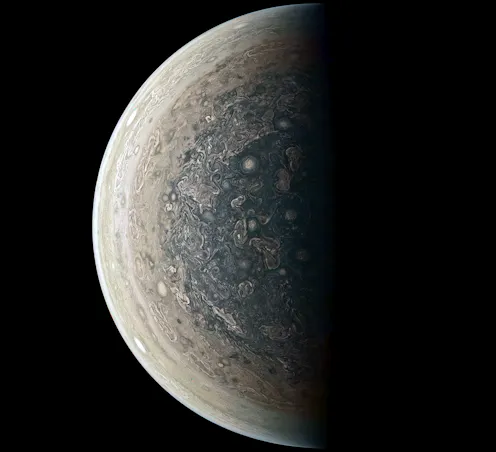
We may need to re-think our models of Jupiter’s formation thanks to the first results from Juno probe orbiting the planet, and new observations from Earth.
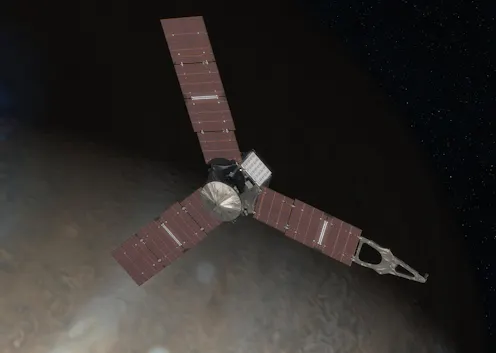
Juno’s visit to Jupiter promises to pick up on many of the unsolved mysteries that still remain in understanding of the Jovian system.
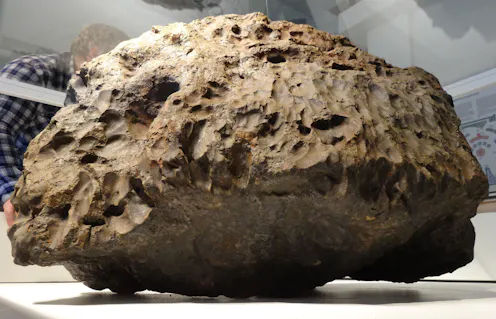
Three studies have revealed details of the meteor that exploded above Russian city, Chelyabinsk, in February this year. Their findings, published today in a pair of papers in Nature and one in Science…
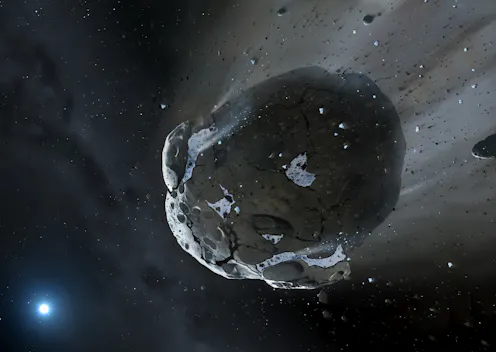
How will future alien scientists know whether life existed in our solar system? One method may be to sift through the planetary debris left when our sun becomes a white dwarf. Astronomers are doing just…
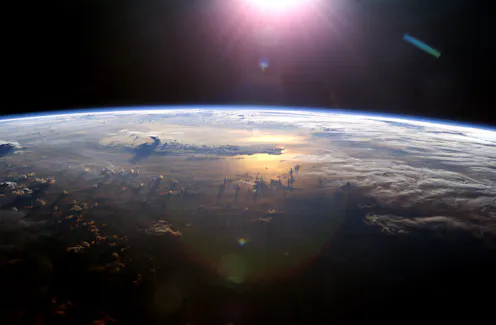
Earth is the only planet in our solar system with a long-term, stable supply of liquid water – essential for the formation and evolution of all organic life. But this doesn’t mean there aren’t other pockets…
Contact Lucyna for
- General
- Media request
- Speaking request
- Consulting / Advising
- Research collaboration
- Research supervision
- Location: Australia
- Website
- X (formerly Twitter): @quasibody
- Article Feed
- ORCID
-
- Joined
