

Over millions of years, a stable climate helped create this biodiversity hotspot. Climate change now threatens it.
- Matthew Flinders Professor of Biodiversity Genomics, Flinders University
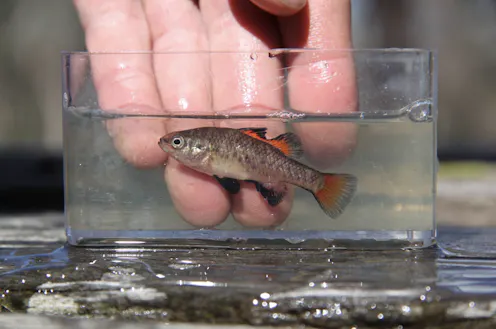
Reintroducing locally extinct species is a challenging affair, but with the right partnerships everyone can help make it happen.
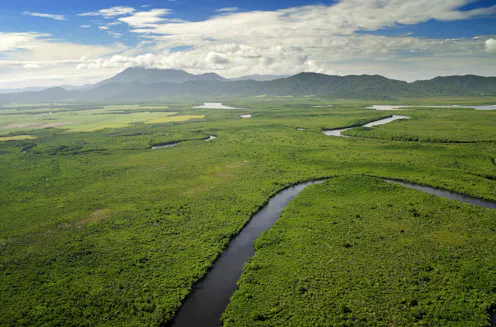
When species naturally hybridise, the influx of genes can reduce their risk of extinction as climate change shrinks their habitats.
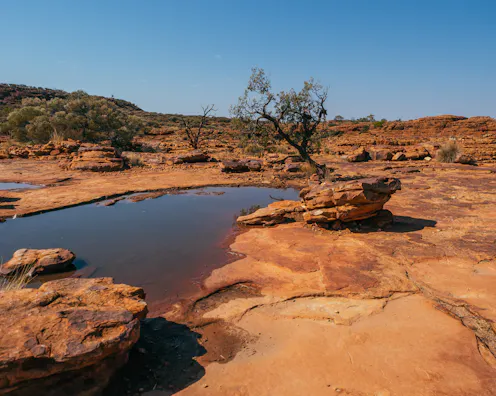
As climate change worsens, their findings highlight the importance of conserving natural river flows to enable freshwater species to respond and adapt.

El piure alcanza la biomasa más alta jamás registrada en un animal intermareal y monopoliza todo el espacio disponible donde vive. La barra bicolor indica intervalos de 10 centímetros.
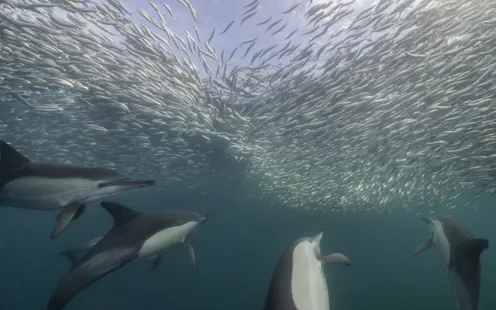
Attirées par la remontée des eaux froides de l’océan indien, les sardines de l’Afrique du Sud restent piégées dans ces mêmes eaux une fois qu’elles redeviennent chaudes.
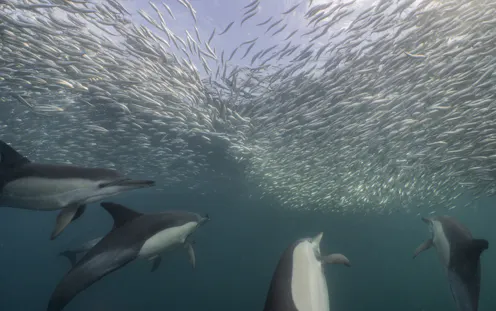
Sardines from the cold waters off South Africa’s Atlantic coast are attracted to cold water upwelling in the Indian Ocean. When the upwelling ends, they are trapped in water that is too warm for them.
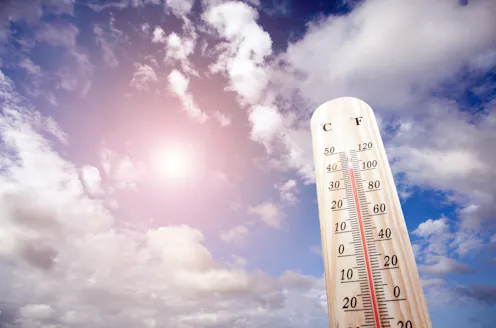
Spesies “pemenang” berevolusi di wilayah yang hangat dan subtropis. Sementara, yang berada di wilayah dingin adalah spesies “yang kalah” dan berisiko punah.
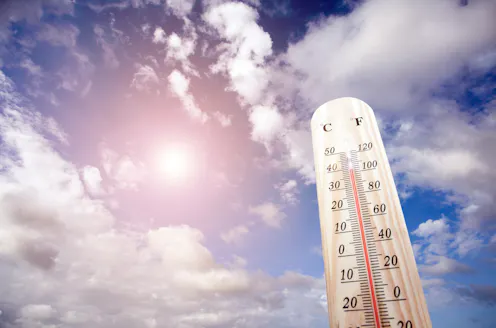
The “winners” evolved in the warm, subtropical regions. Those that evolved in cooler temperate ecosystems – the “losers” – risk becoming extinct.

Computer dating for animals? Finding the right matchup - using DNA rather than personality questionnaires - could help select the best partnerships for captive breeding programs.
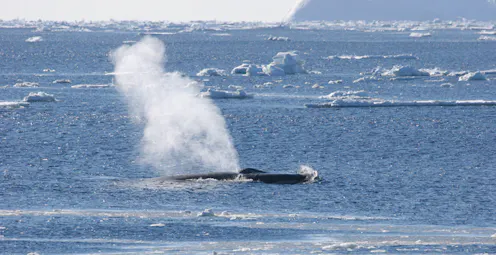
Si les baleines bleues se nourrissent dans les mêmes zones, de nouvelles analyses génétiques suggèrent qu’elles appartiennent à trois populations distinctes se reproduisant dans des endroits différents.
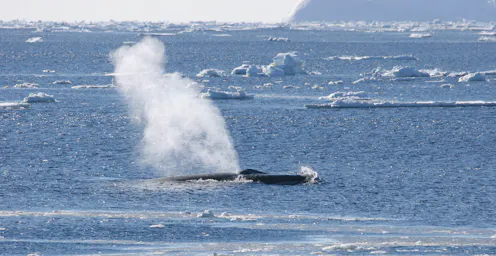
Antarctica’s blue whales all feed in the same place. But a new genetic analysis suggests they are actually three separate populations that breed in different parts of the globe.
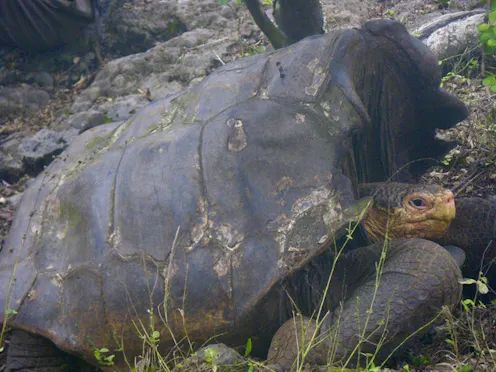
Lorsque Lonesome George, une tortue géante des Galapagos, mourut à 100 ans, beaucoup pensèrent que son espèce venait de disparaître à jamais avec lui… mais il n’en était rien.
When 100-year-old giant tortoise Lonesome George died in 2012, the world thought his species was lost forever. We went to the Galápagos Islands looking for ‘extinct’ tortoises – and we found them.
Contact Luciano for
- General
- Media request
- Speaking request
- Consulting / Advising
- Research collaboration
- Research supervision
- Location: Adelaide, Australia
- Website
- Article Feed
- Joined
