

Bacterial infections remain a major threat to human and animal health. Worse still, the catalogue of useful antibiotics is shrinking as pathogens build up resistance to these drugs. There are few promising…
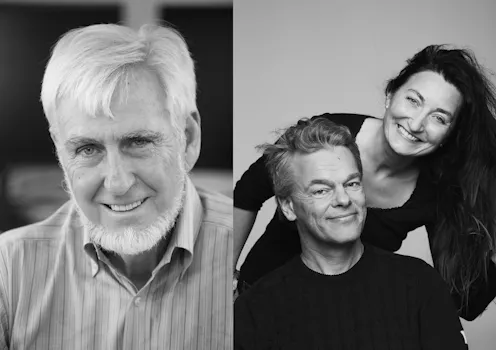
The 2014 Nobel Prize in Physiology or Medicine was awarded with one half to John O'Keefe and the other half jointly to May-Britt Moser and Edvard Moser “for their discoveries of cells that constitute a…
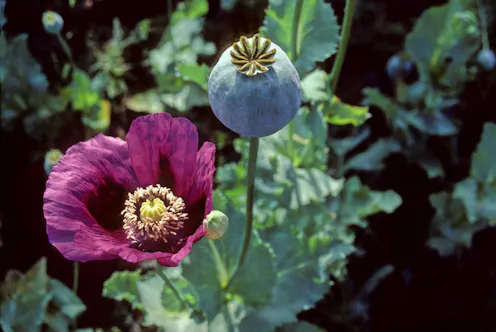
The past few decades have seen enormous progress being made in synthetic biology – the idea that simple biological parts can be tweaked to do our bidding. One of the main targets has been hacking the biological…
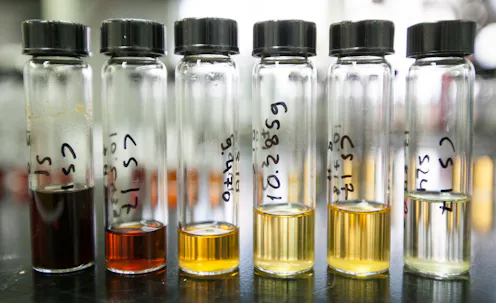
Turning wood and agricultural waste into biofuels is one step closer to being a truly green process, according to a recently published study in the journal Science. James Dumesic of the University of Wisconsin-Madison…
The hobbyists who conduct biology in their garage are not a threat to society, according to a recent report published by the Woodrow Wilson International Center for Scholars. They aren’t developing a new…
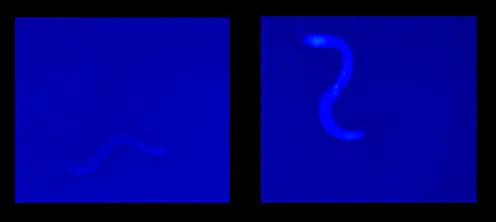
Never has “feeling blue” carried such a sense of finality. A new study has revealed the simple worm (Caenorhabditis elegans) meets its death in a flash of azure. And, according to researchers, the blue…

Researchers have discovered a fluorescent protein in a Japanese eel consumed as a popular sushi snack. The discovery could help develop simpler and more sensitive tests to detect jaundice and other diseases…
Contact Luc for
- General
- Media request
- Speaking request
- Consulting / Advising
- Research collaboration
- Research supervision
- Location: Lausanne, Switzerland
- Website
- X (formerly Twitter): @heluc
- Article Feed
- Joined

