
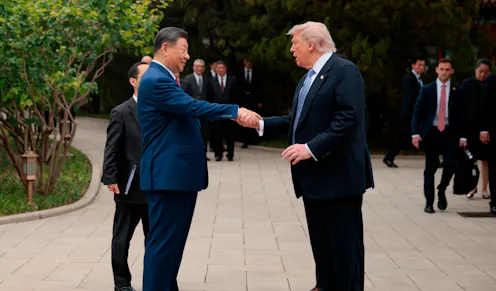
The handshake is one of the most ancient and familiar gestures. It has carried many meanings – signalling trust and alliance, but also grief and deception.
- Honorary Research Associate, Department of Classics and Ancient History, University of Sydney
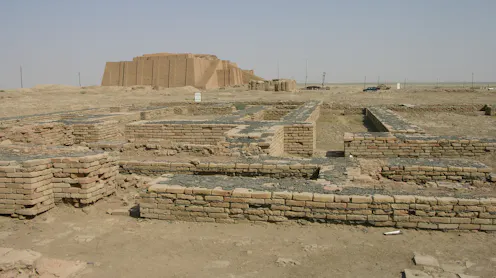
A collection of artefacts collected 2,500 years ago in modern-day Iraq reveal the forgotten world of Mesopotamia, home to many world firsts – including beer production.
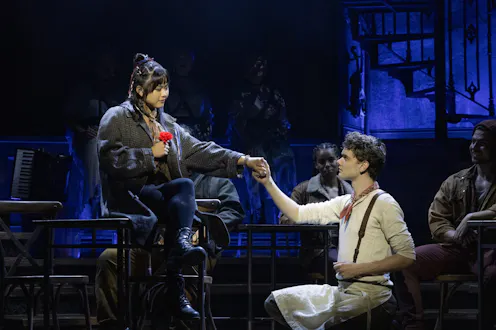
Based on a myth first told in Greece over 2,500 years ago, Hadestown, now playing in Sydney, is a modern retelling of the story of lovers Orpheus and Eurydice.
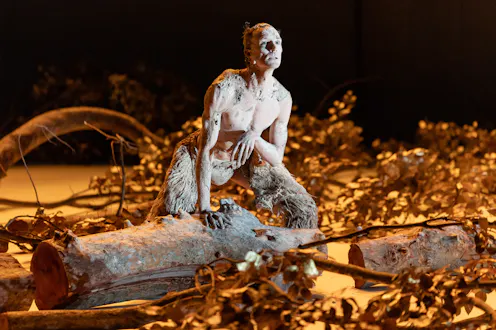
From Opera Australia, Sydney Chamber Orchestra and Carriageworks, Gilgamesh, is a visceral retelling of a story from a forgotten age, exploring ideas of love, tyranny and what it means to be human.
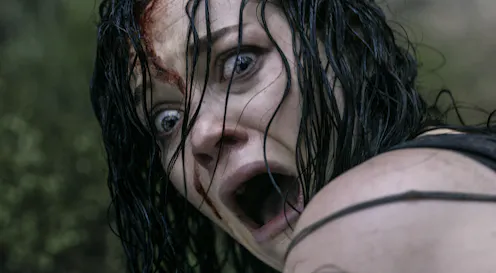
Some of popular culture’s most famous ghosts and demons have roots in ancient Mesopotamia. What did ancient humans believe about the supernatural? And what stories did they tell?

Invisible to the naked eye, the work of the wind often goes unnoticed. Yet, for millennia, this unseen force has shaped religion, trade, warfare, culture, science and more.
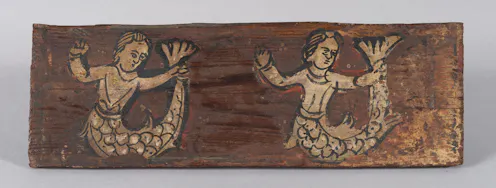
From Ancient Mesopotamia to Shakespeare to Arnhem Land, humans have been telling tails of mermaids for millennia.
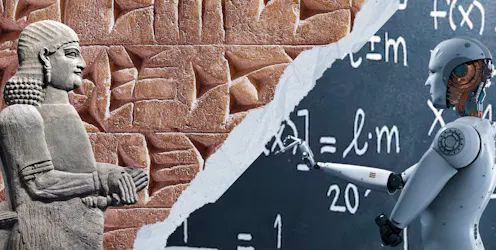
ChatGPT threatens to change writing as we know it. But the Mesopotamians, who lived 4,000 years ago in modern-day Iraq, went through this kind of seismic change before us, when they invented writing.
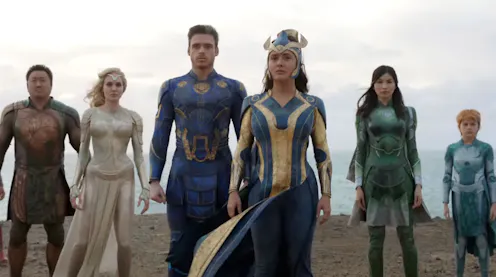
There are many nods to Mesopotamian myth in Marvel’s Eternals. The character of Gilgamesh is the first ancient Near Eastern hero with a leading role in a Marvel film.

Though often seen as placid, turtles have been depicted as powerful, fighting animals since ancient times. One of the most famous battleships, the Korean Geobukseon, was called the ‘Turtle Ship’.
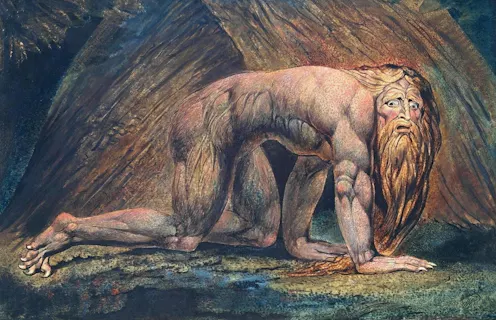
Nebuchadnezzar was a warrior-king of the Neo-Babylonian empire. And now, Kanye West has written an opera inspired by him.
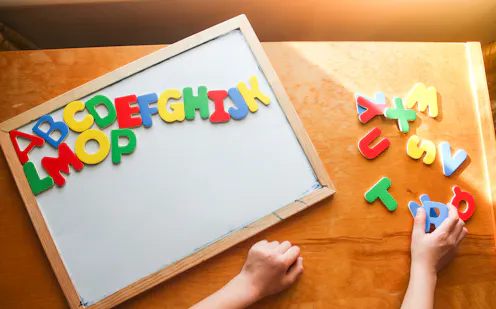
Writing has only been a part of the human story for the last 5,000 years. In comparison, humans began to communicate using speech some 50,000 years ago.
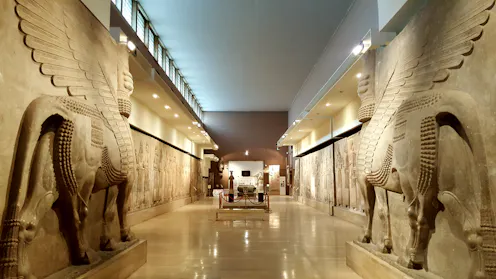
Ennigaldi-Nanna is largely unknown in the modern day. But in 530BC, this Mesopotamian priestess worked to arrange and label various artefacts in the world’s first museum.
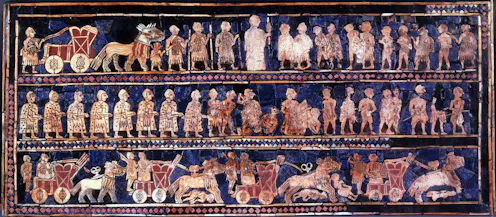
Enheduanna’s name means ‘Ornament of Heaven’. She wrote hymns and myths more than 4000 years ago, studied the stars and yet is almost entirely unknown in the present day.
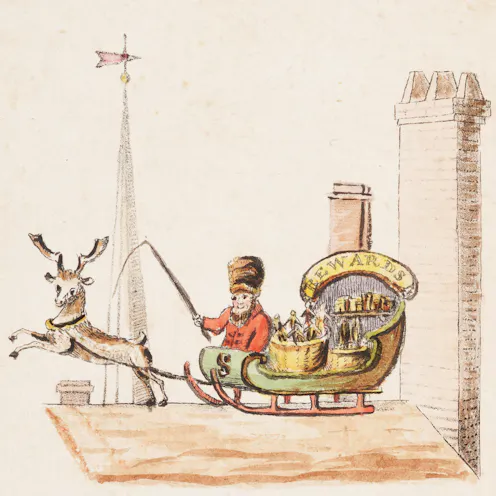
Several of Santa’s modern features, such as his generosity, miracle-working, and focus on morality (being ‘naughty or nice’), were part of his image from the very beginning.
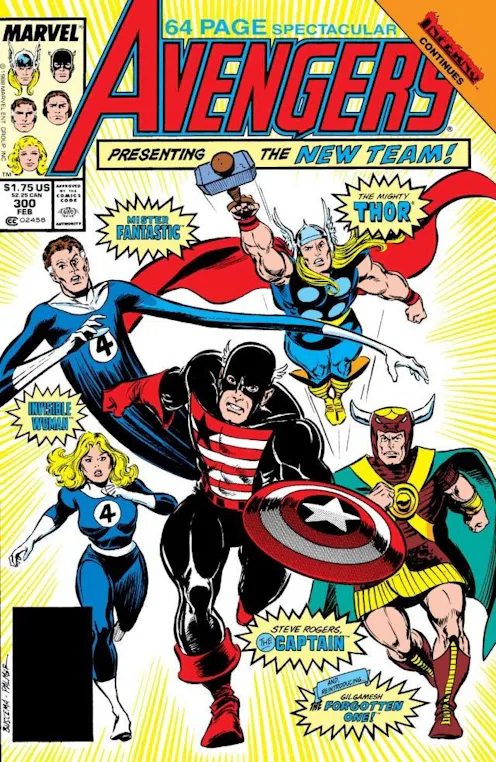
Unlike the Greek heroes, many Mesopotamian mythical figures have slipped into obscurity. An exception to this is their representation in comics, such as Gilgamesh, who served alongside Captain America as an Avenger.
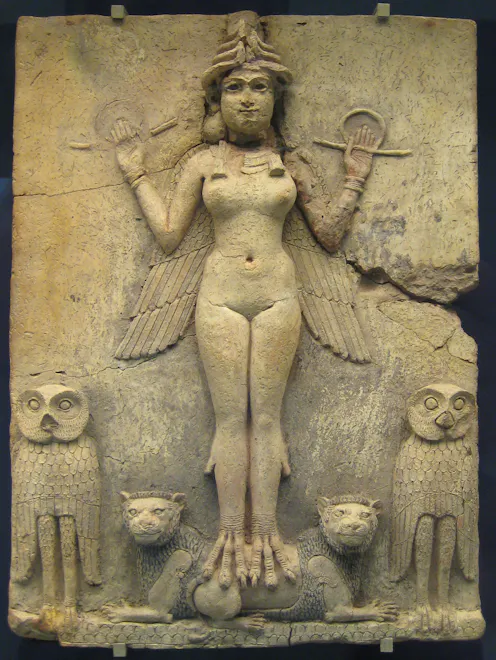
Sex was central to life in ancient Mesopotamia. And the authors of Sumerian love poetry, depicting the exploits of divine couples, showed a wealth of practical knowledge about the stages of female sexual arousal.
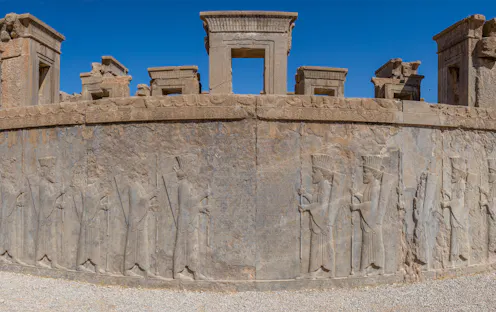
Cuneiform was used for over 3,000 years in the Ancient Near East, but was only decoded in the 19th century. The writing form is still revealing amazing stories, from literature to mathematics.
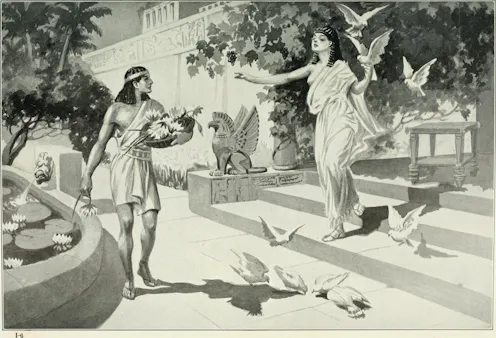
Love, it is said, is a battlefield, and it was no more so than for the first goddess of love and war, Ishtar. Her legend has influenced cultural archetypes from Aphrodite to Wonder Woman.
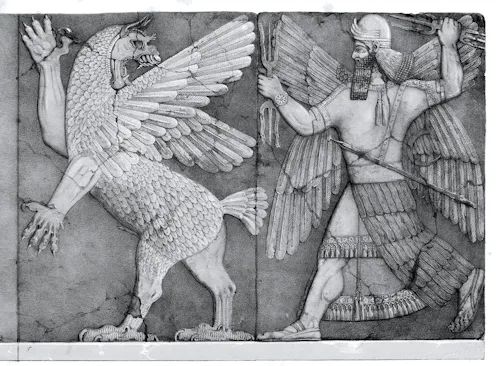
From environmentalism to the meaning of life, the themes of the world’s most ancient epic are still remarkably relevant to modern readers.
Contact Louise for
- General
- Media request
- Speaking request
- Consulting / Advising
- Research collaboration
- Research supervision
