
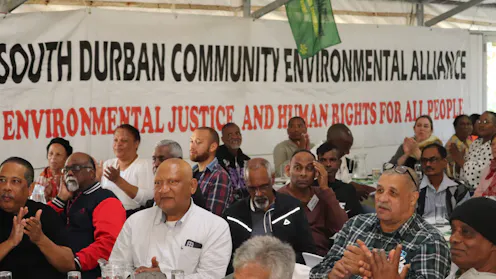
Steps need to be started urgently to clean up the petrol pollution left behind in South Durban by BP and Shell.
- Professor of Environmental Science, University of South Africa
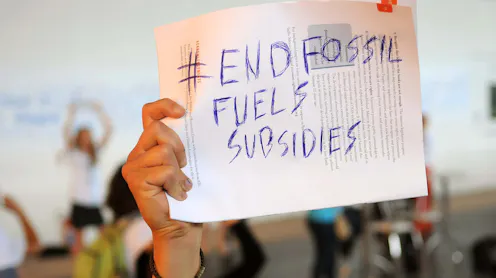
South Africa subsidises fossil fuel companies to the tune of R118 billion (US$6.2 billion) a year. As G20 president, South Africa must push to end these subsidies.
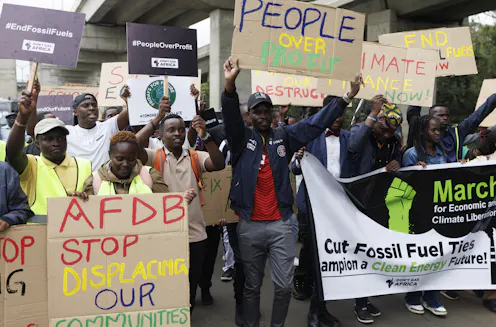
COP29 should end subsidies to fossil fuel companies, compel large-scale emitters to compensate affected regions and ensure that carbon taxes reflect the true cost of cleaning up pollution.
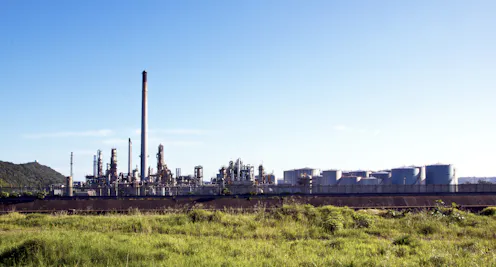
South Africa’s state-owned Central Energy Fund has paid five US cents, or one rand, for a huge oil refinery that isn’t in working condition. The public may have to foot the bill to clear up oil leaks.
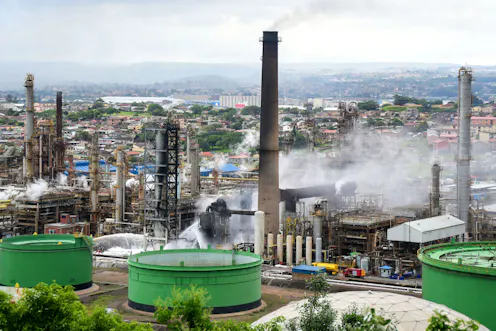
The geographic setting of hazardous industrial sites in residential areas during apartheid hasn’t transformed since democracy.
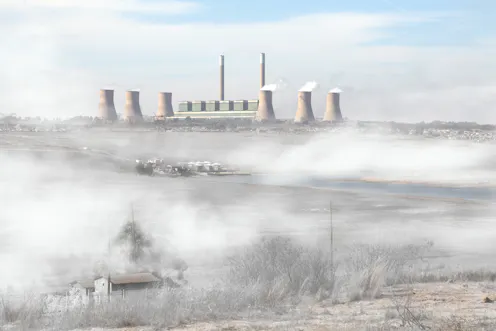
South Africa hasn’t successfully developed institutional capacity and the government skills to manage industrial risks to communities and the environment.
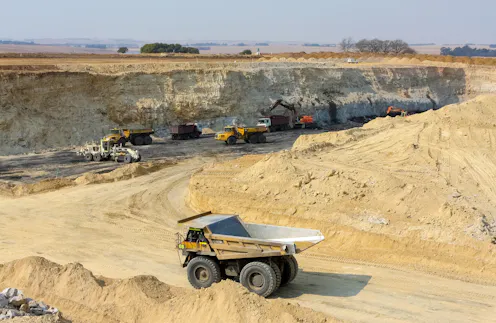
South Africa’s rural communities where mining licenses have been granted are often excluded from consultations and bear the brunt having their environment and livelihoods destroyed.
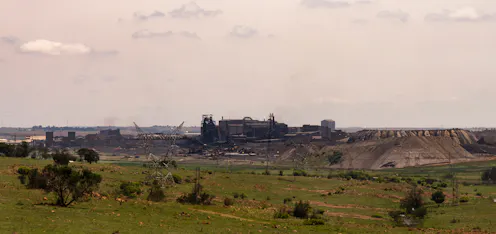
Before democracy South Africa’s mining sector prioritised profits over the people and environment. Not much has changed.
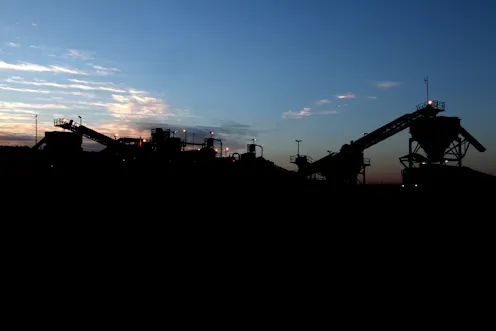
New coal mining operations could threaten
South Africa’s Mapungubwe World Heritage Site.
Contact Llewellyn for
- General
- Media request
- Speaking request
- Consulting / Advising
- Research collaboration
- Research supervision
