
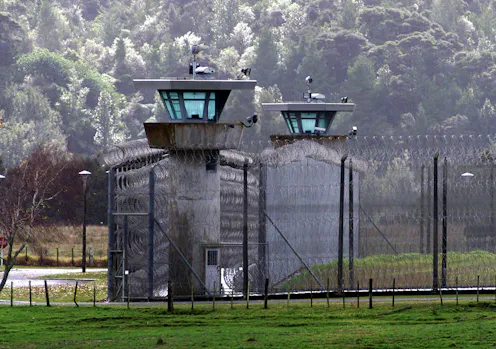
New Zealand jails more people per capita than Canada, Australia and England. But sentencing Act changes will contribute to a 40% rise in prisoner numbers over the next decade.
- Senior Lecturer, Political Science and International Relations, University of Canterbury
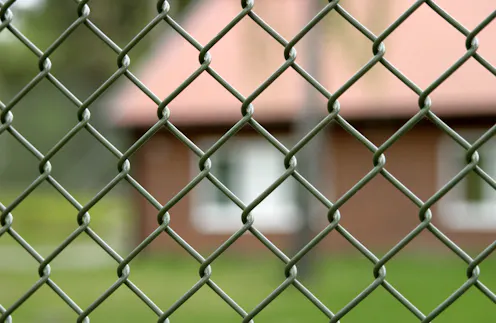
The closure of youth detention centres is a positive development. However, without adequate investment in community organizations that serve youth, it is a move set up to fail.

Public submissions close this week on a bill restoring citizenship to some Samoan immigrants. But despite prime ministerial apologies over the 1970s dawn raids, immigration law is largely unchanged.
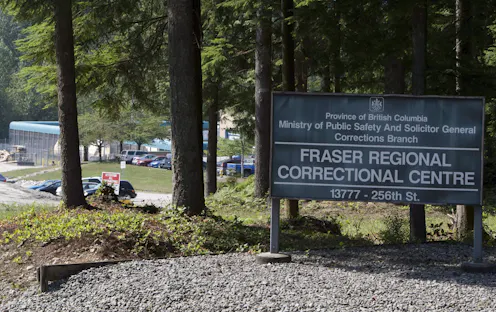
British Columbia’s proposed ban on name changes could impact people’s Charter rights and undermine the rehabilitation and reintegration of those convicted of crimes.

Placing migrants who are not criminals in prisons risks serious violations of their human rights and perpetuates narratives about the criminality of immigrants.
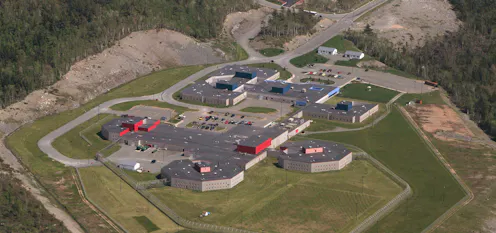
Lockdowns can have severe impacts on an inmate’s mental and physical health and well-being.
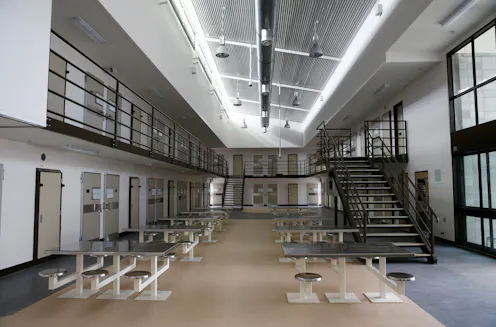
A shift towards more punitive responses to youth crime by the next government could reverse the progress New Zealand has made in reducing offending and addressing its root causes.

Several Canadian provinces are terminating their immigration detention agreements with the CBSA. While that signals a move in the right direction, the federal government must also take action.
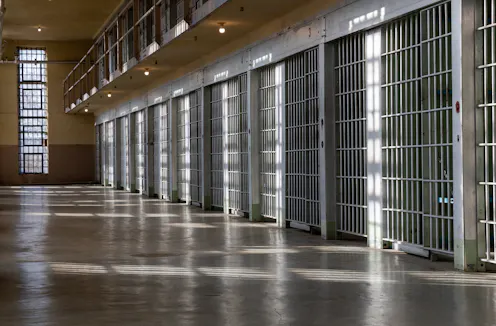
Elections Ontario must ensure imprisoned people are provided information on their candidates, registration assistance and facilitation by Elections Ontario employees on voting day.
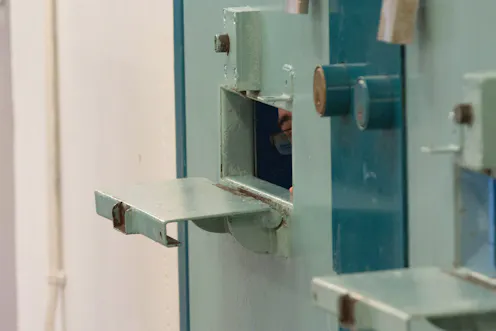
Solitary confinement is still a common feature of prisons across Canada and in its most populous province, especially during the COVID-19 pandemic. It’s a practice that amounts to torture.

Suggesting jail or prison is appealing because it is tangible and the process is familiar, but we must ask what is a better, effective and safe way to de-escalate potentially violent situations.
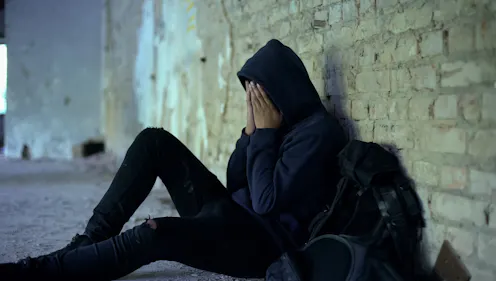
For youth under state guardianship the state has assumed the role of the parent. But state parenting falls short of how most people would treat their children.

Ontario closed half of its youth detention centres raising concerns around relocating youth from their communities and potential conflicts with current youth justice legislation.
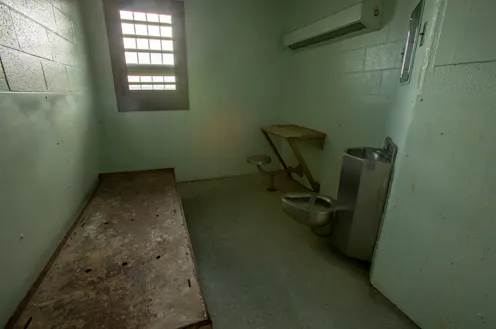
Community oversight, hard caps on days permitted in structured intervention units and penalties could save lives in Canada’s prisons.
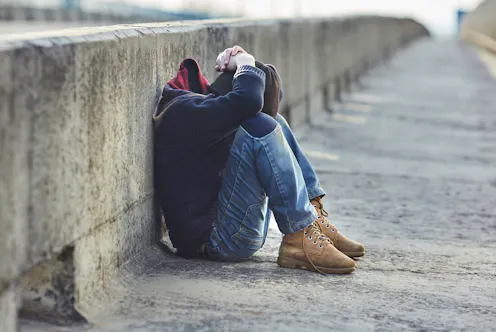
The Ontario provincial government announced a moratorium on ending foster care at age 18 during the coronavirus pandemic, but this is due to end on March 31.
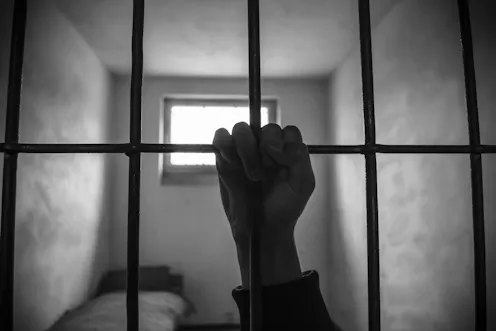
While seemingly an alternative to solitary confinement, Structured Intervention Units have been a catastrophic failure, especially for imprisoned people with mental illness.
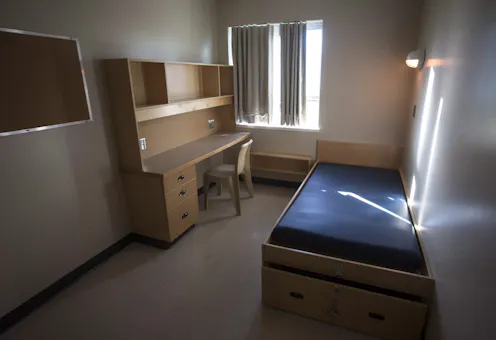
When minimum security units are closed in prisons, it is both a human rights violation and a reduction in available choices for women sentenced to prison time.
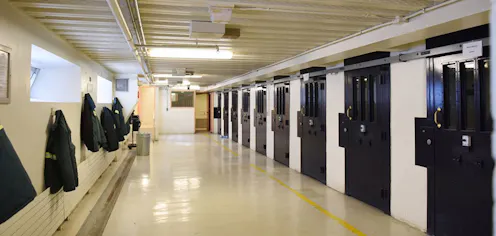
It is not just policing agencies that have a systemic racism problem, Canadian prisons do too

The fallout from the Huffman case has been intense, with much anger centered on the light punishment meted out to a white A-list celebrity versus the excessive charges levelled at Black defendants.
What does it mean to hold a party in a place with a long history of death and suffering?
