
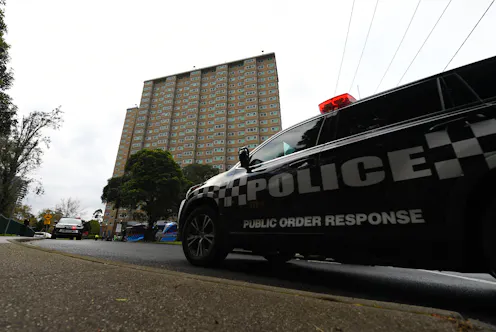
The public housing hard lockdown is the product of a punitive public housing system whose residents have been neglected for decades.
- Professor of Urban Planning, Centre for Urban Research, RMIT University
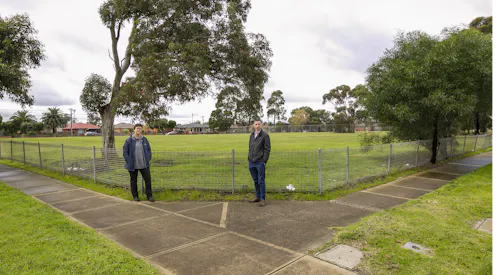
Of 2,646 hectares of public land being prepared for sale in Victoria, 24 sites are suitable for building high-quality public housing in places of high need. Why isn’t the land being used for this?

It’s time to tackle the shortage of public housing head-on, rather than skirt around the problem. Public housing is the single most cost-effective way to turn around the rise in homelessness.
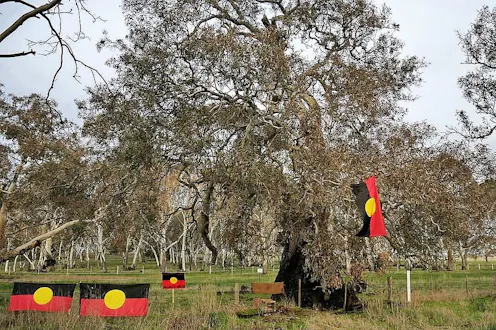
The Victorian government plans to destroy trees and sites sacred to Djab Warrung people to make way for the Western Highway at the same time as it seeks heritage listing for the Eastern Freeway.
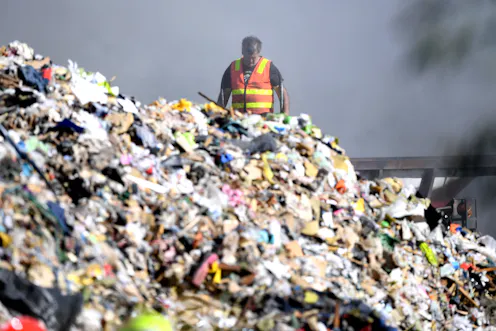
Australia has yet to properly acknowledge that the Sustainable Development Goals aren’t just an issue for other countries. The problems that demand our attention are much closer to home.
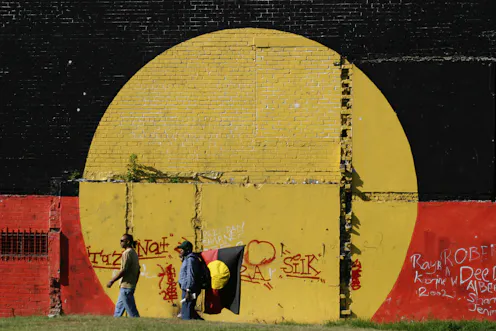
While planning policies and practices have contributed to marginalising Indigenous people, planners can now work with them to ensure they have their rightful say in shaping Australian communities.
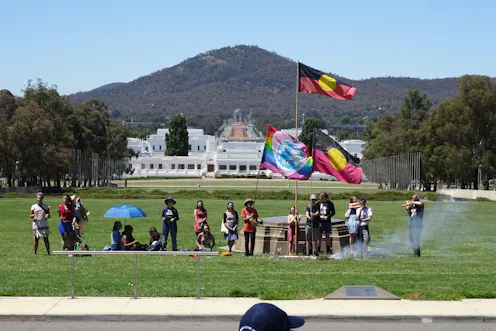
Imagine if we did urban development in a way that honours Indigenous histories, knowledge and relationships with those places.
Contact Libby for
- Media request
- Speaking request
- Consulting / Advising
- Research collaboration
- Research supervision
- Location: Melbourne, Australia
- Website
- X (formerly Twitter): @libbyjporter
- Article Feed
- Joined
