

Clutter can make us feel stressed, anxious and depressed. It can also impact our ability to process information and connect with people. Here’s why.
- Associate Professor of Organisational Behaviour, Bond Business School, Bond University

Stress, troubled sleep and interrupted family time are some of the little-known downsides from working from home.
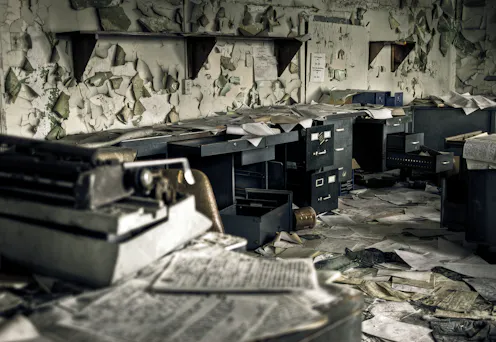
Many of our offices are filthy, which doesn’t just trigger a sense of disgust but can make us sick.
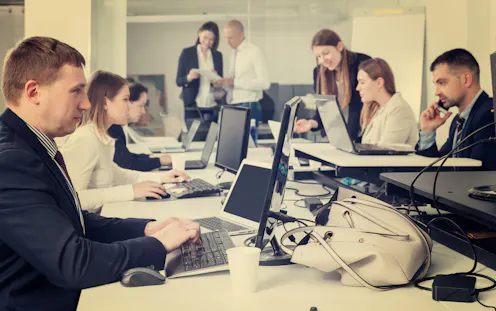
There is even more research showing open-plan environments can actually have negative impacts on collaboration. Workspaces should provide various options for different work styles and preferences.

If the physical setting, as well as clear strategies to facilitate new connections and networks are right, then networking wouldn’t be such a pain.
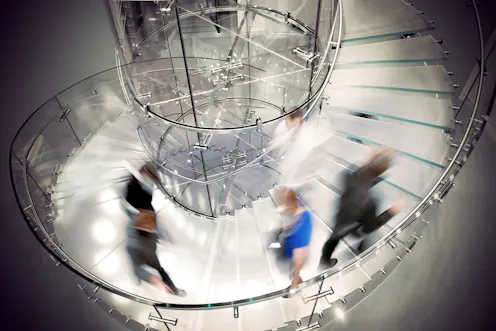
Research shows that corporate wellness programs don’t really work. If companies want to boost employee health they should consider designing the workplace to encourage the right behaviour.
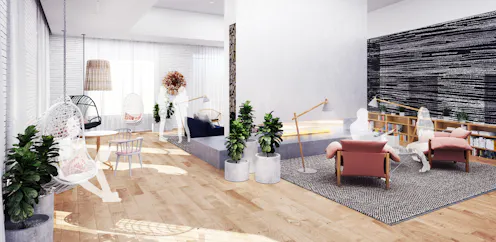
Top-end companies are investing in design features to make their offices more appealing to staff. But many workers are looking for more than just funky design from their workplaces.
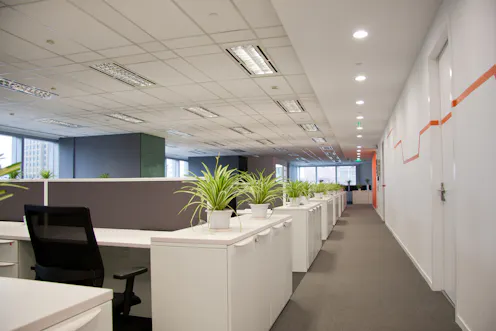
Bringing nature into the workplace can lead to a number of benefits, including reduced stress and increased creativity.
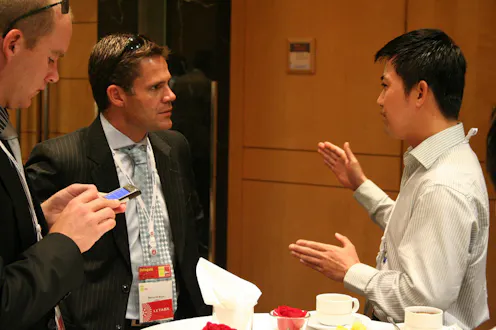
When attempting to network, people face social and spatial barriers.
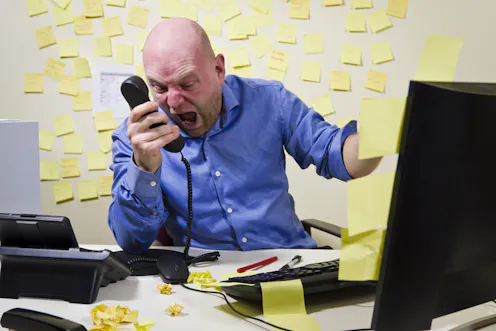
Business Briefing: are our standards dropping in the workplace?
The Conversation22.9 MB (download)
Our workplaces are becoming less formal. But there were some advantages to the old formality.
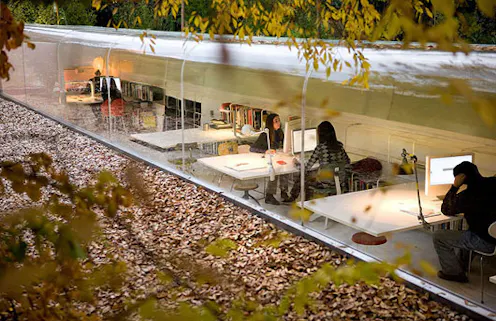
The quality of the office environment itself can have significant negative effects on thinking, health and productivity.

While companies are committing to hot-desking and activity-based work, research is finding negative outcomes for workers.
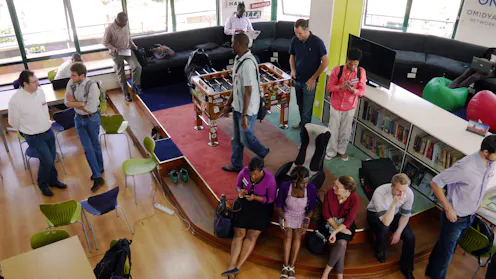
Co-working spaces are evolving to suits the needs of a changing workforce.
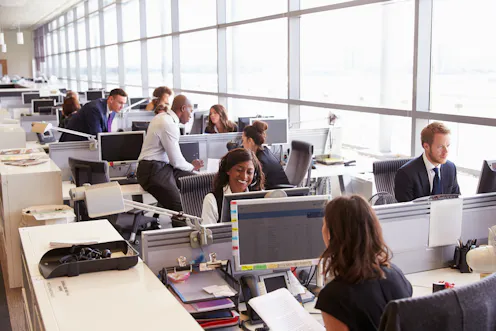
So-called ‘soft skills’ – including interpersonal skills, critical thinking and relationship-building – are rated as being important across all jobs and industries.
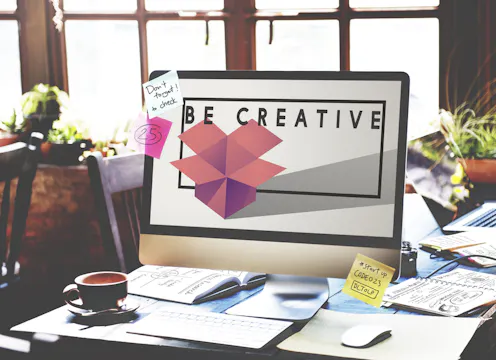
Some research suggests the state of your desk may influence your demeanour, but there’s more to office politics than that.
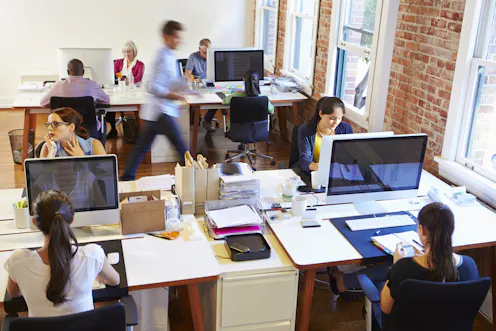
An open-plan office is not all it’s cracked up to be but the alternative, segmented spaces, has its downsides as well.

It’s not your imagination. Involvement by managers and employees in collaborative endeavours has increased by 50% in the past two decades, according to research published in the Harvard Business Review…
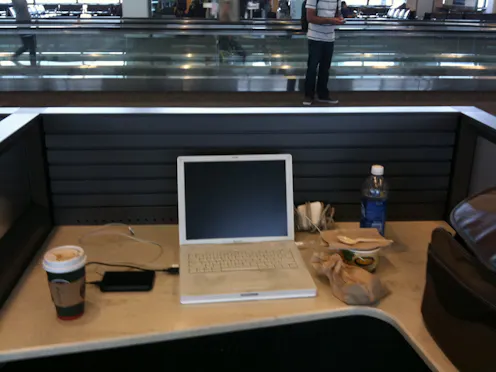
More work, more flexibility. For some of us, the holidays are already a distant memory and the year ahead looks busier than ever. Studies have shown we work 47 hours per week, though many may feel that…
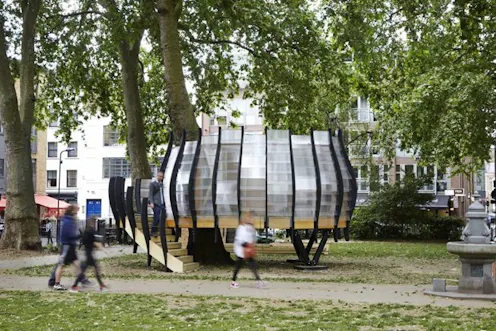
A pop-up tree office in London is the latest expression of a growing movement to take work out of the office into the landscape of the city. Designed as an installation for the recent London Festival of…
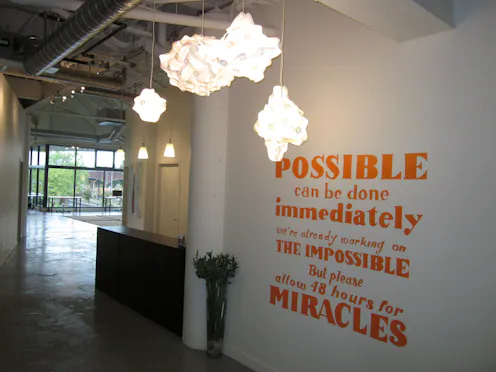
A quick scan of recent media highlights an entire industry exists around workplace happiness. Being a corporate happiness expert is now a job title. As part of this effort, billions of dollars are spent…
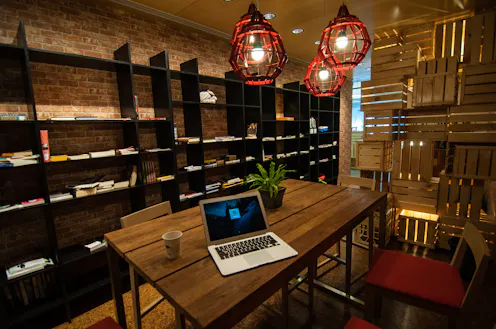
In a letter to Felice Bauer in 1912, philosopher Franz Kafka lamented, “time is short, my strength is limited, the office is a horror, the apartment is noisy, and if a pleasant, straightforward life is…
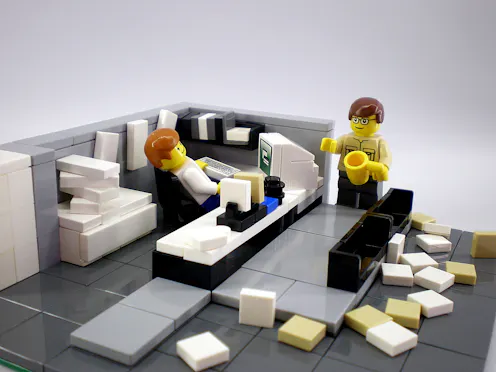
In the 1970’s, the renowned University of California architectural professor and author of A Pattern Language, Christopher Alexander lamented that ‘normal’ urban behaviour at the time had become almost…
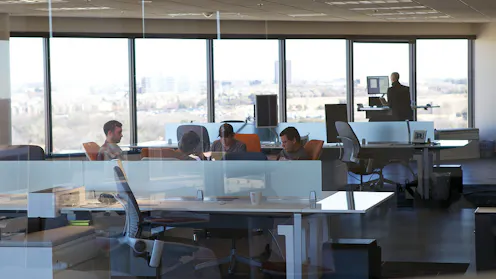
With all the chatter about beautiful office design, it would be easy to assume workplaces have come a long way from the days of the cubicle farm. But recent research has shown this may not actually be…
Contact Libby for
- General
- Media request
- Speaking request
- Consulting / Advising
- Research collaboration
- Location: Gold Coast, Australia
- Website
- LinkedIn: libbysander
- X (formerly Twitter): @libbysander
- Article Feed
- ORCID
-
- Joined
