
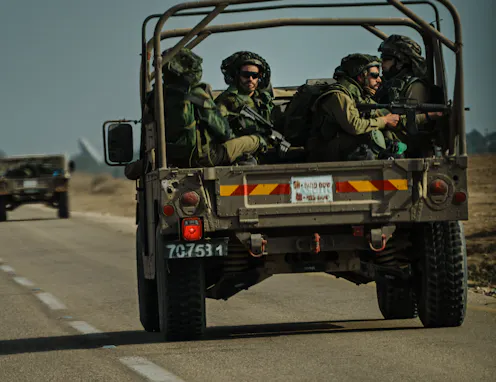
A special forces officer explains why an overreliance on intelligence is a recipe for disaster.
- Founding Director, Modern War Institute, United States Military Academy West Point
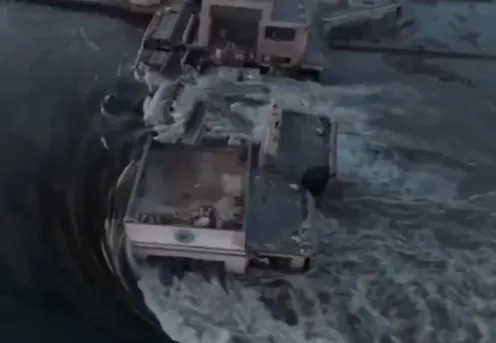
The ongoing war in Ukraine has forced the Russian military to reassess its ability to defend its territorial gains. The flooding of the Dnieper River gives the Russians a natural defense.
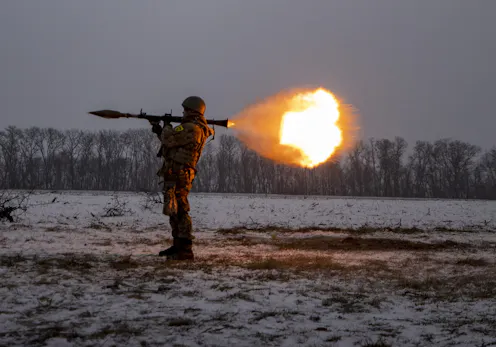
Considered to have one of the most powerful militaries in the world, Russian President Vladimir Putin has little to show for his invasion of Ukraine.
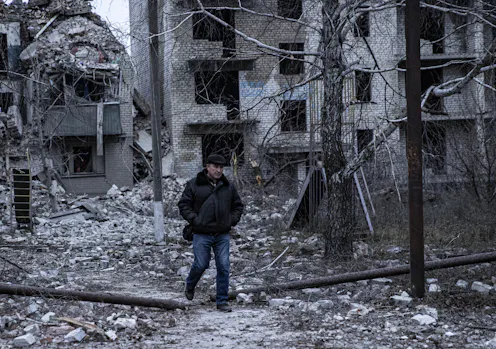
Given their numbers advantage, Russian troops were expected to quickly capture Ukraine. That didn’t happen, and with winter approaching, more Russian military defeats are expected.
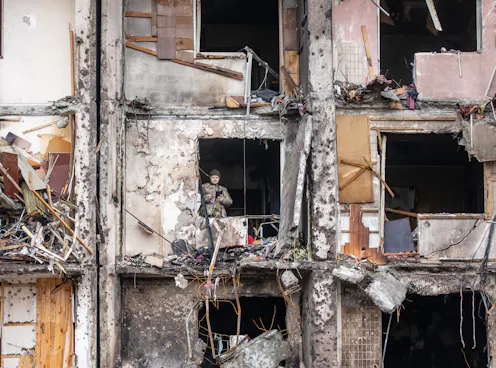
Despite having superior military forces, Russian President Vladimir Putin has found Ukrainian resistance much tougher than expected. A West Point military expert looks at the future of the war.
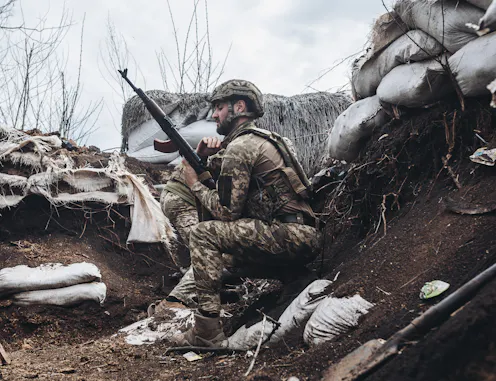
On paper, Russia’s military outmatches its Ukrainian rival. But better training, strategy and battlefield decisions have helped Ukrainian forces keep Russian troops at bay.
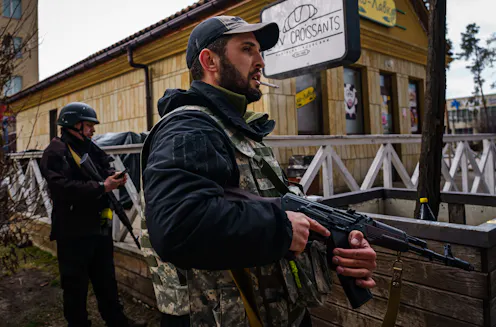
Though the Russian army dwarfs the strength of the Ukrainian army, the underdog has managed to resist during the early days of the Russian invasion. Military reforms are part of the reason.
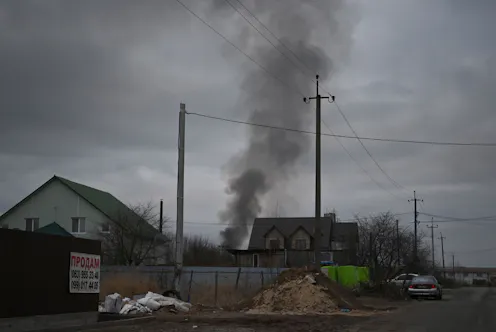
The Conversation asked three scholars to briefly explain what this attack means for the people of Ukraine and the world.
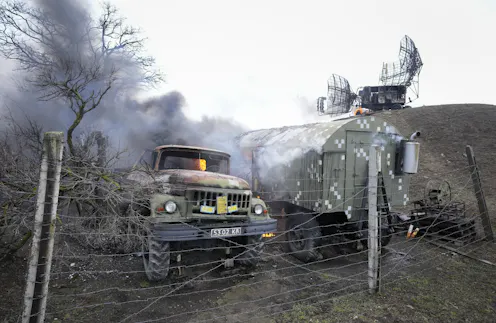
As war begins between Ukraine and Russia, a range of stories provides context to help readers understand the conflict.
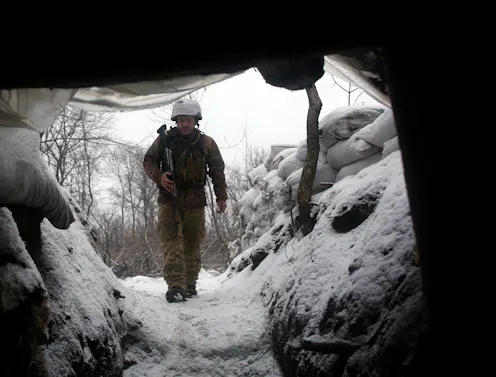
Since its independence 30 years ago, Ukraine has tried to balance its Western aspirations with its Russian past. Vladimir Putin is not ready to let go of the past without a possible invasion.
Contact Liam for
- General
- Media request
- Speaking request
- Consulting / Advising
- Research collaboration
- Research supervision
- Location: West Point, New York US
- Website
- X (formerly Twitter): @LiamSCollins
- Article Feed
- Joined
