
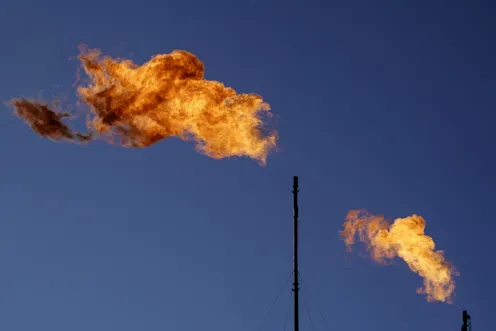
A new report from the Climate Council identifies ways to cut methane greenhouse emissions, almost two years after Australia signed a global pledge to reduce them.
- Professor Emerita, Department of Biological Sciences, Macquarie University
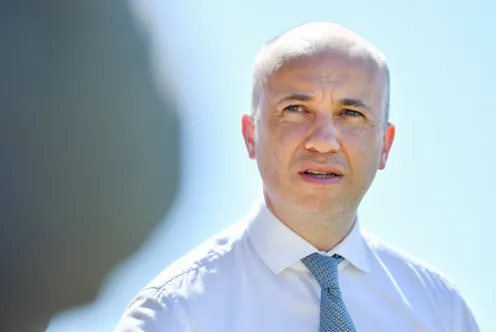
A member of Australia’s Climate Change Authority, Lesley Hughes, explains what this body does – in light of high profile NSW politician Matt Kean’s appointment to the top job this week.
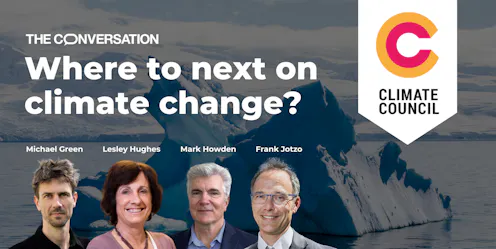
Fear and Wonder is a new climate podcast, brought to you by The Conversation, and sponsored by the Climate Council. In this live bonus episode, we discuss where to next on climate change.
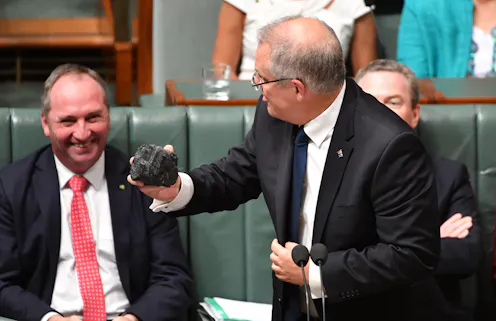
Prime Minister Scott Morrison is poised to announce Australia will adopt a target of net-zero greenhouse gas emissions by 2050. But it’s too little, too late.
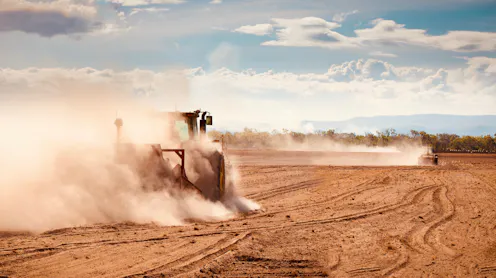
By spending $2 billion each year for about 30 years, we could restore much of Australia’s severely denuded landscapes.
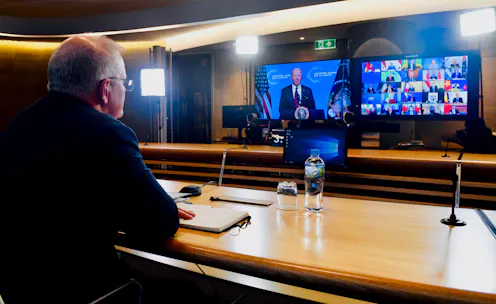
There was palpable relief as Biden brought the US back to the table on global climate action, warning “we have to get this done”. Depressingly, Morrison showed little sign of hearing the message.
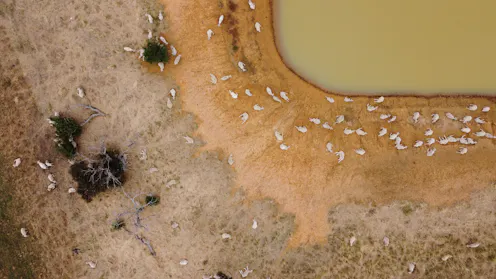
This is not an imaginary future dystopia. It’s a scientific projection of Australia under 3°C of global warming – a future we must both strenuously try to avoid, but also prepare for.
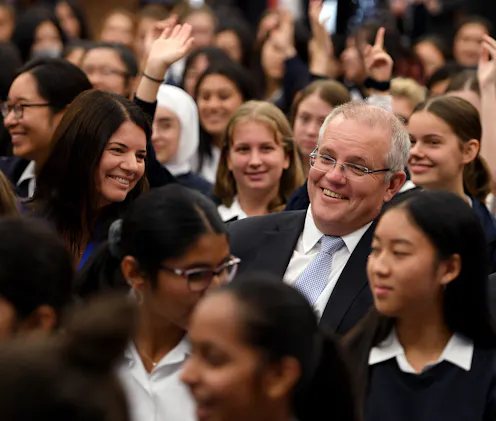
We hear a lot about the Morrison government ‘kicking the can down the road’ on emissions reduction. New research reveals the precise burden that forces onto young Australians.
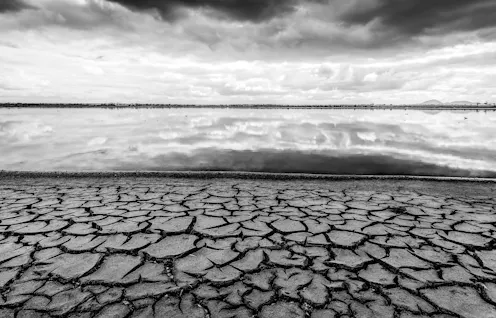
Iconic ecosystems, from coral reefs to Tasmania’s ancient forests, are collapsing across the continent and into Antarctica. It’s not too late to act — in fact, our lives depend on it.
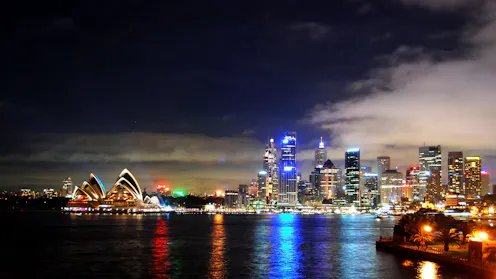
A new report from the Climate Council details the climate policy ambitions of Australian cities and local governments, and launches a new project to link their efforts together.
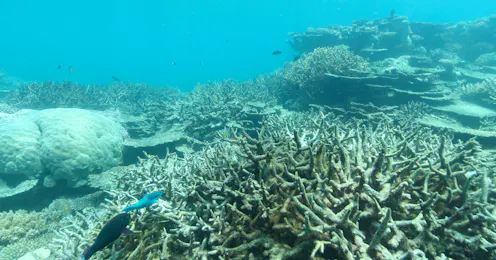
Member of the Climate Council this week returned to one of the areas of the Great Barrier Reef that was worst affected by this year’s coral bleaching. What they found was far from encouraging.
More than 150 Australian experts have demanded greater action on climate change from Prime Minister Malcolm Turnbull.
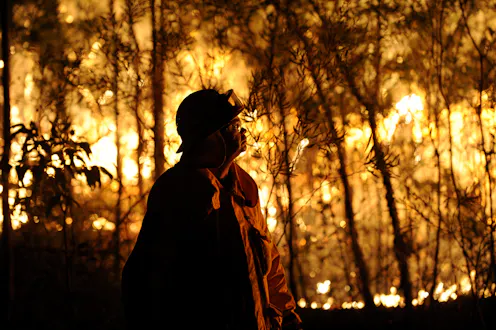
In New South Wales in 2013, bushfires in January and October collectively burned 768,000 hectares of bushland and destroyed 279 homes. Tragically, two people lost their lives and the damage was estimated…
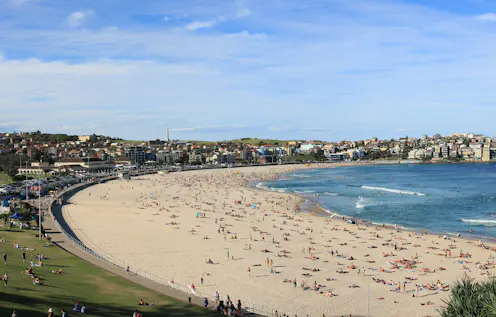
“I Do Like to Be Beside the Seaside” holds true for many Australians who live on or near the coast. On top of the many lifestyle amenities coastal living offers, much of the country’s crucial infrastructure…
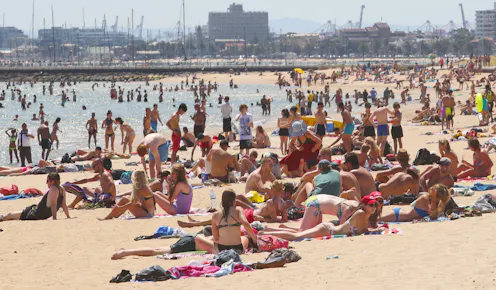
Heatwaves are one of the most important climate-related risks for Australians. Sometimes called the “silent killers”, they cause the greatest number of deaths of any natural disaster type in Australia…
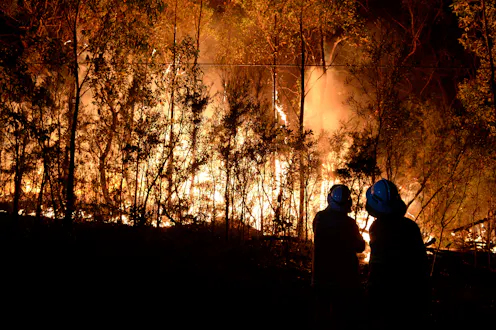
Australians have always had to live with bushfires - but climate change is driving that fire danger even higher. And we’re not talking about a distant threat to future generations. According to real observations…
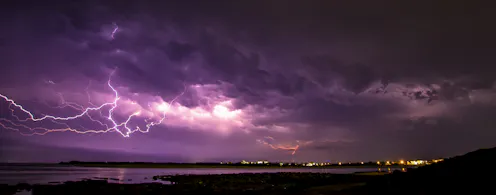
Two years ago the Climate Commission released its first major report, The Critical Decade: Climate Science Risks and Responses. The report synthesised the most recent climate change science. The phrase…
Climate change is already harming Australians’ health and poses a significant threat for the future, according to a report released today by the Climate Commission. The Critical Decade: Climate Change…
