
Rape myths relating to male survivors often blame victims, minimise the harm or exonerate the accused.
- Lecturer in Psychology, Glasgow Caledonian University
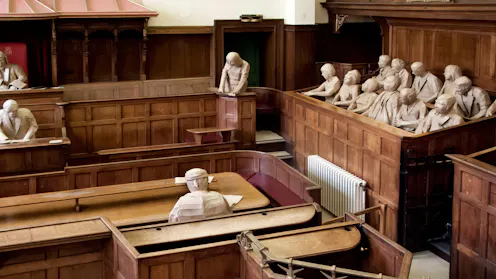
If a judge makes a decision on their own, only their own biases will influence the verdict. In a jury, consensus needs to be reached.
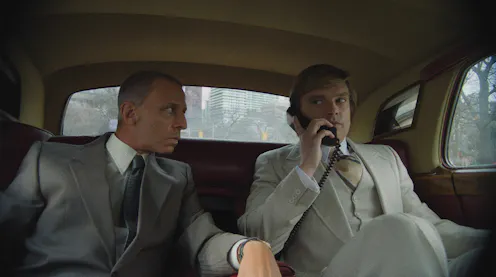
Examples of machiavellianism, narcissism and psychopathy are all on show in this film about Trump’s rise in the world of real estate.
Scotland’s third verdict option does have an impact on juror decisions – but removing it may not improve rape conviction rates.
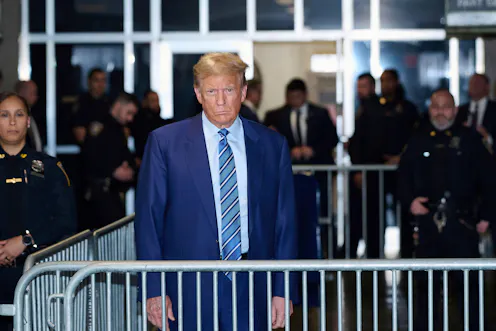
Jury selection for the former US president’s trial has been lengthy.
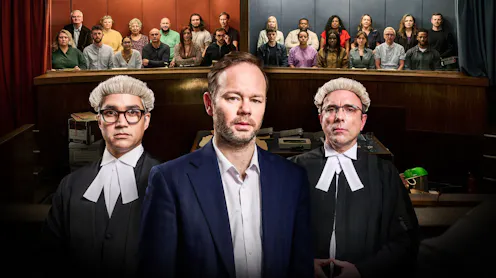
As my research into jurors and jury decision making shows, our system is far from perfect.
A Scottish pilot will see rape trials conducted without juries in what could set a dangerous precedent.
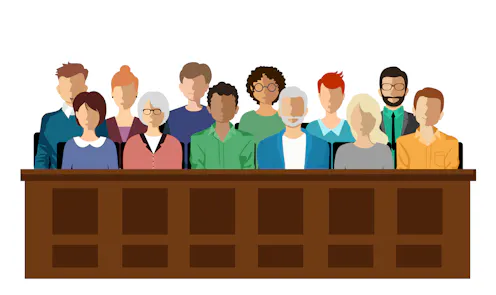
Finding out what goes on behind jury decisions and the biases that influence them is hugely important if the criminal justice system is to work properly.
Scotland’s not proven verdict is under scrutiny yet again. With calls for reform, who is best placed to inform any review?
Research into contextual bias needs to be more rigorous so recommendations can be made about its effect on forensic analysis.
Despite its controversial nature, new research into the not proven verdict shows it helps juries ascribe guilt more adequately.
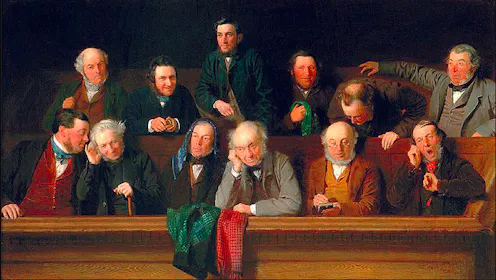
It’s not just race, gender and socioeconomic status that affect juror bias; sometimes it’s the actual way people on juries assess evidence and make decisions.
For decades, the justice system has decided to live with ropey testimonies. Could that be about to change?
With a second Scottish referendum ‘all but inevitable’, here’s a strange pill for the nationalists to swallow.
Contact Lee for
- General
- Media request
- Speaking request
- Consulting / Advising
- Research collaboration
- Research supervision
- Location: Glasgow, Scotland
- Website
- X (formerly Twitter): @Psycurlogy
- Article Feed
- ORCID
- Joined
