

From the bioelectric bleeps of plants to the intergalactic bloops of colliding black holes, sound gives us new ways to experience the world.
- Adjunct Research Fellow, Griffith University
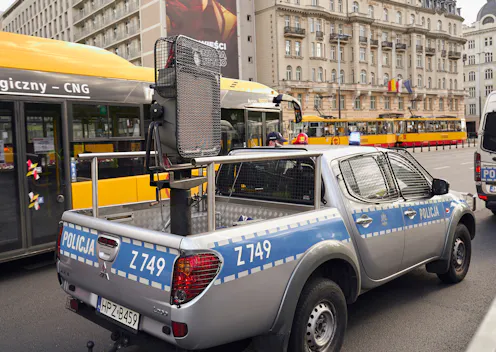
Police do use ‘sound cannons’ at protests – but it’s unlikely they’re responsible for the injuries claimed by some protestors.
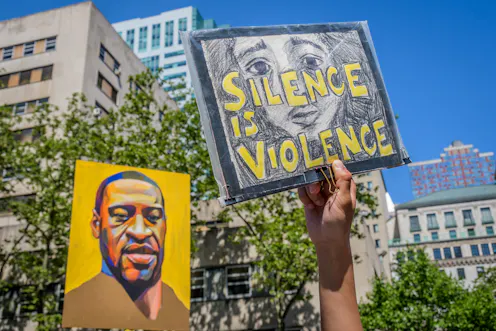
Over the past 50 years, protesters’ voices have found power in unison. But activists and onlookers have increasingly been exposed to new sounds that aim to shatter rather than gather the crowd.

Brian Eno’s Music for Airports, released 40 years ago, marked the formal beginnings of ambient music. It is still provoking composers and audiences to contemplate new ways of listening.
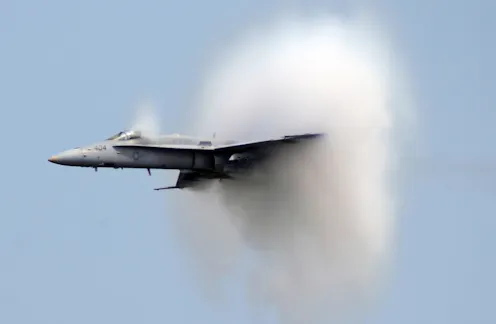
Fly-bys by RAAF Super Hornets and army helicopters are a noisy finale to the Brisbane Festival. While many find this sound awe-inspiring, what of those with lived experience of war?
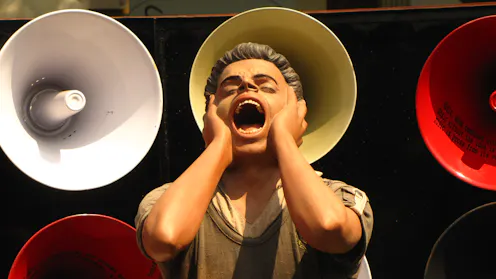
From Long Range Acoustic Devices used to disperse protesters to ear-splitting military drones to songs blasted on rotation to prisoners, ours is an age in which sound has been repositioned as a tool of terror.
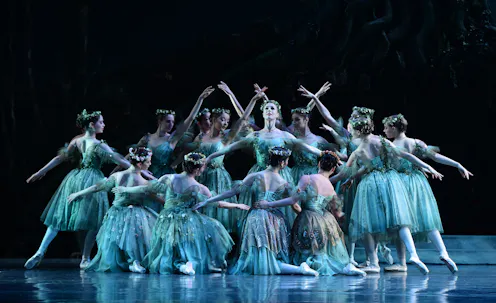
Given the pressure being applied to the majority of people working in the arts sector, we would be foolish not to consider the roles and inherited rights of Australia’s major performing companies.

In 1889, an eight-year old boy made a recording of a Common Sharma using his father’s wax cylinder recorder. This boy, Ludwig Koch, would go on to become one of the great natural history broadcasters of…
Contact Lawrence for
- General
- Media request
- Speaking request
- Consulting / Advising
- Research collaboration
- Research supervision
- Location: Brisbane
- Website
- X (formerly Twitter): @room40speaks
- Article Feed
- Joined
