Madeleine De Gabriele, The Conversation and Sunanda Creagh, The Conversation
Brain-zapping, the curious case of the n-rays and other stories of evidence
The Conversation, CC BY70.4 MB(download)
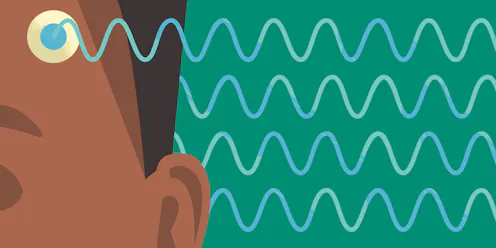
You've had an x-ray before but have you had an n-ray? Of course not, because they're not real. But people used to think they were. Today, on Trust Me, I'm an Expert, we're bringing you stories on the theme of evidence.
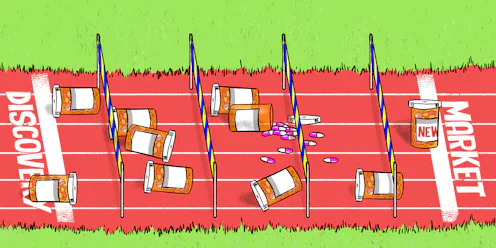
A drug needs to pass quite a few hurdles before it gets to the market.
The Conversation/Wes Mountain
Only around 10% of new drugs in development make it onto the market. A drug needs to go through animal trials, and then four phases of human trials to be deemed suitable for use in patients.
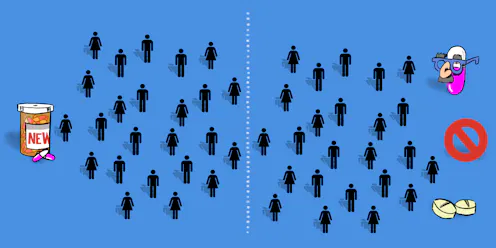
Randomisation is the only commonly accepted method of ensuring an unbiased estimate of the treatment effect.
The Conversation/Wes Mountain
A randomised controlled trial is the best way to compare a new treatment with the standard treatment. And randomising trial participants is a core feature of the experiment.