
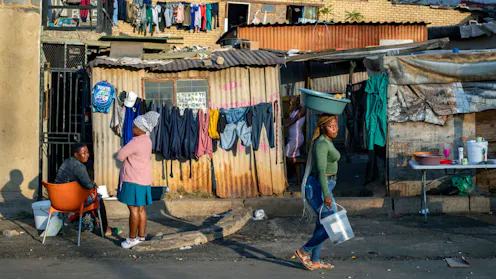
The programme showed improved mental health, reduced distress and a stronger sense of belonging among unemployed young people.
- DSTI/NRF Research Chair in Welfare and Social Development, University of Johannesburg
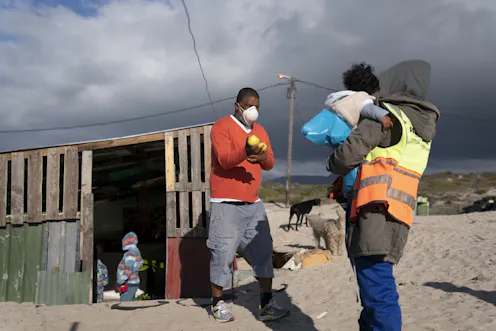
There’s a crucial need to connect the most vulnerable people with public services in order to tackle systemic poverty and disadvantage. An integrated approach is key.
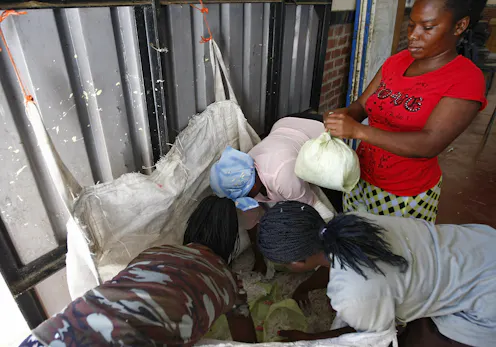
Racial and gender disparities in access to work are entrenched features of the South African labour market.
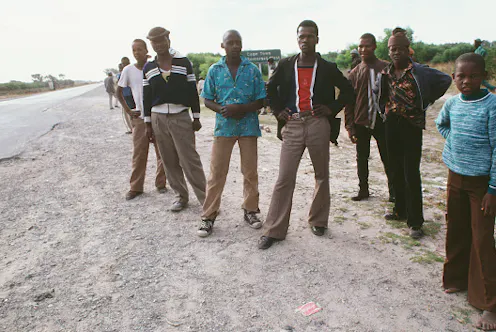
Relying solely on job placement as an indicator of successful intervention misses out on outcomes that are equally important, or more so, amid high structural unemployment.

Employment programmes cannot replace economic growth in improving youth employability, but they play a crucial role in helping them find work.

While small businesses will be partially cushioned by government support measures, there’s no support for the most vulnerable workers.
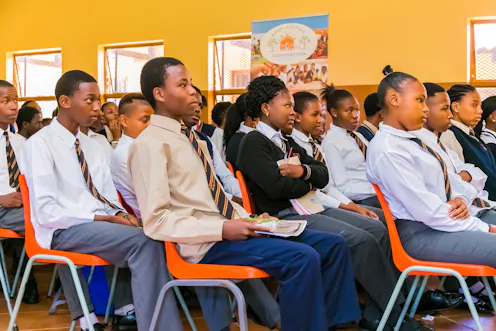
Although cynical about today’s political leaders, the views of young South Africans are surprisingly similar to those of the mid-1990s.
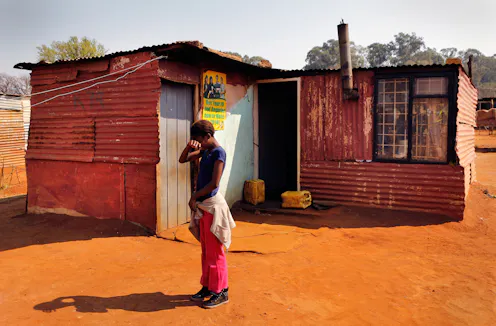
The child support grant, as a policy instrument, cannot work alone in ensuring that young people thrive and succeed.

A fast growing economy that creates jobs will not automatically reduce youth unemployment due to systemic barriers faced by young people, including skills shortages and malfunctioning labour markets.

Arming young people with financial capabilities does improve their employment prospects, but how exactly is still not clear. One possibility is that financial literacy boosts their confidence
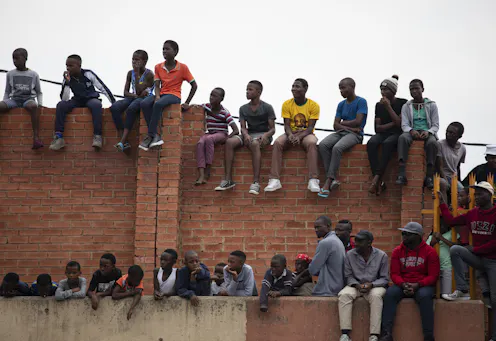
After recent elections, South Africa are grappling with what the reasons are for the declining trend in youth participation in the 2019 elections.

The high costs of finding work make it difficult for young South Africans to get jobs.
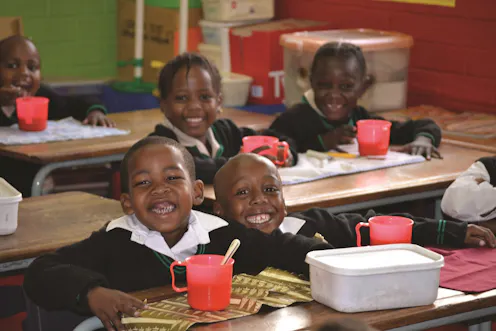
South African learners receiving two meals, despite being from arguably poorer backgrounds, had statistically significantly lower stunting levels than children receiving only one meal.

It’s time South Africa stopped stereotyping its young people as being disinterested and morally bankrupt and started engaging them.

While South Africa’s youth unemployment is a structural matter, the country must find ways to alleviate the challenges in the short-term.
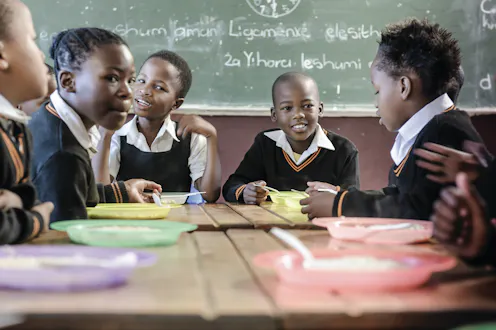
In-school nutrition programmes can reduce the chances of children suffering from childhood obesity.
Contact Lauren for
- General
- Media request
- Speaking request
- Consulting / Advising
- Research collaboration
- Research supervision
- Location: Johannesburg, South Africa
- Website
- Article Feed
- Joined
