
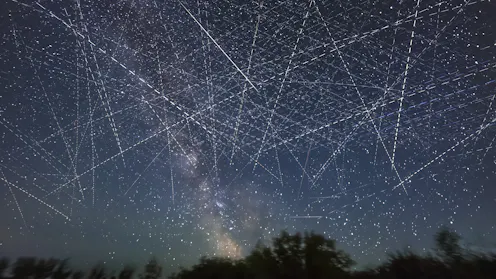
Planned ‘megaconstellations’ of satellites could cause unforeseen harm to the ozone layer and climate systems. Global regulation is needed before it’s too late.
- Professor of Atmospheric Chemistry, University of Canterbury
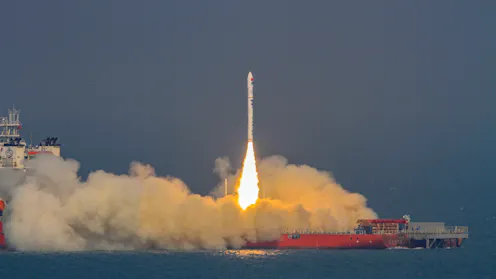
While rocket launches are increasing dramatically every year, it is still possible to mitigate any harmful effects on the ozone layer.
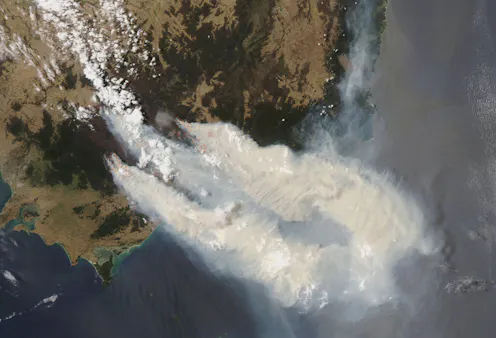
More frequent wildfires, emissions from rocket launches and more satellite debris burning up in the atmosphere all contribute to ozone depletion and could slow the recovery of the ozone layer.

Four years of persistent ozone holes have sparked concern about what more UV is doing to Antarctic ecosystems.
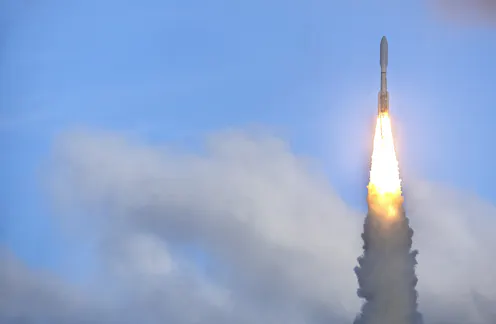
Rocket emissions in the upper atmosphere can damage the ozone layer but are neither measured nor regulated. It’s a policy gap we have to close if the space industry is to grow sustainably.

After soil, water and food, microplastics have now entered the atmosphere, where they influence the climate system and may even change atmospheric chemistry.
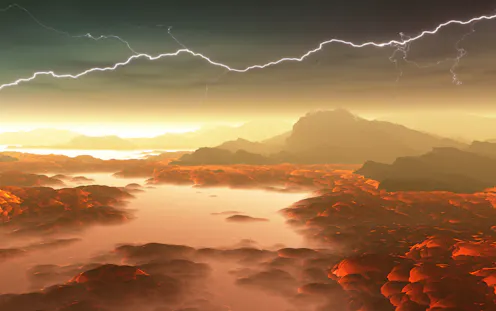
The Earth should be safe (and habitable) for a few billions of years, but we still need to worry about the impact now of just a few degrees of global warming.
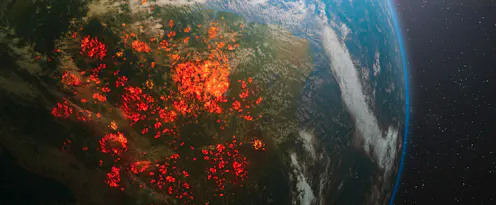
If we had not altered the composition of the atmosphere at all through emitting greenhouse gases, particulate matter and ozone-destroying chemicals, the average temperature would have remained stable.
Contact Laura for
- General
- Media request
- Speaking request
- Consulting / Advising
- Research collaboration
- Research supervision
- Website
- Article Feed
- ORCID
- Joined
